%201-1.avif)
WHOOP vs Circular Ring 2: Which is Right for You?
The WHOOP and the Circular Ring 2 are among the best non-watch health trackers on the market right now, but they are designed for two very different health goals. One is primarily targeting athletes and gym regulars, whereas the other is a better pick for those who want a wealth of data with personalized daily recommendations.
As someone who’s been deep in the wearables space for years, I'd always wanted to wear the WHOOP alongside my Circular Ring 2 to see where each has an edge in day-to-day wear. And I finally did. For our "Side by Side" series, after my Circular Ring 2 versus RingConn 2 piece, I spent a month and a half wearing the WHOOP 5.0 alongside my ring that’s been living on my index finger for over six months now.
Ahead, I'll compare their core features to help you figure out which is right for you.
WHOOP vs Circular Ring 2: Specs Comparison
| Feature | WHOOP 5.0 (Peak) | WHOOP MG (Life) | Circular Ring 2 |
|---|---|---|---|
| Form Factor | Wrist band | Wrist band | Ring |
| Starting Price | $239/year | $359/year | $349 one-time |
| Subscription | Required | Required | No |
| Battery Life | 14+ days | 14+ days | 5 to 8 days |
| ECG / AFib | No | Yes | Yes |
| Sleep Tracking | Yes | Yes | Yes (comprehensive report) |
| Cycle Tracking | Yes | Yes | Yes |
| GPS | Via smartphone | Via smartphone | Via smartphone |
| AI Coaching | WHOOP Coach | WHOOP Coach | Kira AI |
| Healthspan / Aging | Yes | Yes | No |
| OS Compatibility | iOS, Android | iOS, Android | iOS, Android |
WHOOP vs Circular Ring 2: Quick Take
For everyday wellness tracking, the Circular Ring 2 is the stronger buy. You pay once and get 13+ health features, including ECG with AFib detection, blood oxygen monitoring, skin temperature tracking, hourly stress forecasts, and other features all powered by AI coaching in an inconspicuous ring comfortable to wear 24/7, including to bed.
The WHOOP is totally worth it if fitness performance is your primary reason for tracking your health. You get a coaching system that connects your sleep, strain, and recovery in a way most trackers don't. It's also the stronger pick if you want to get insights into how your habits are affecting your long-term health and biological age. That said, the WHOOP runs on a mandatory annual subscription.
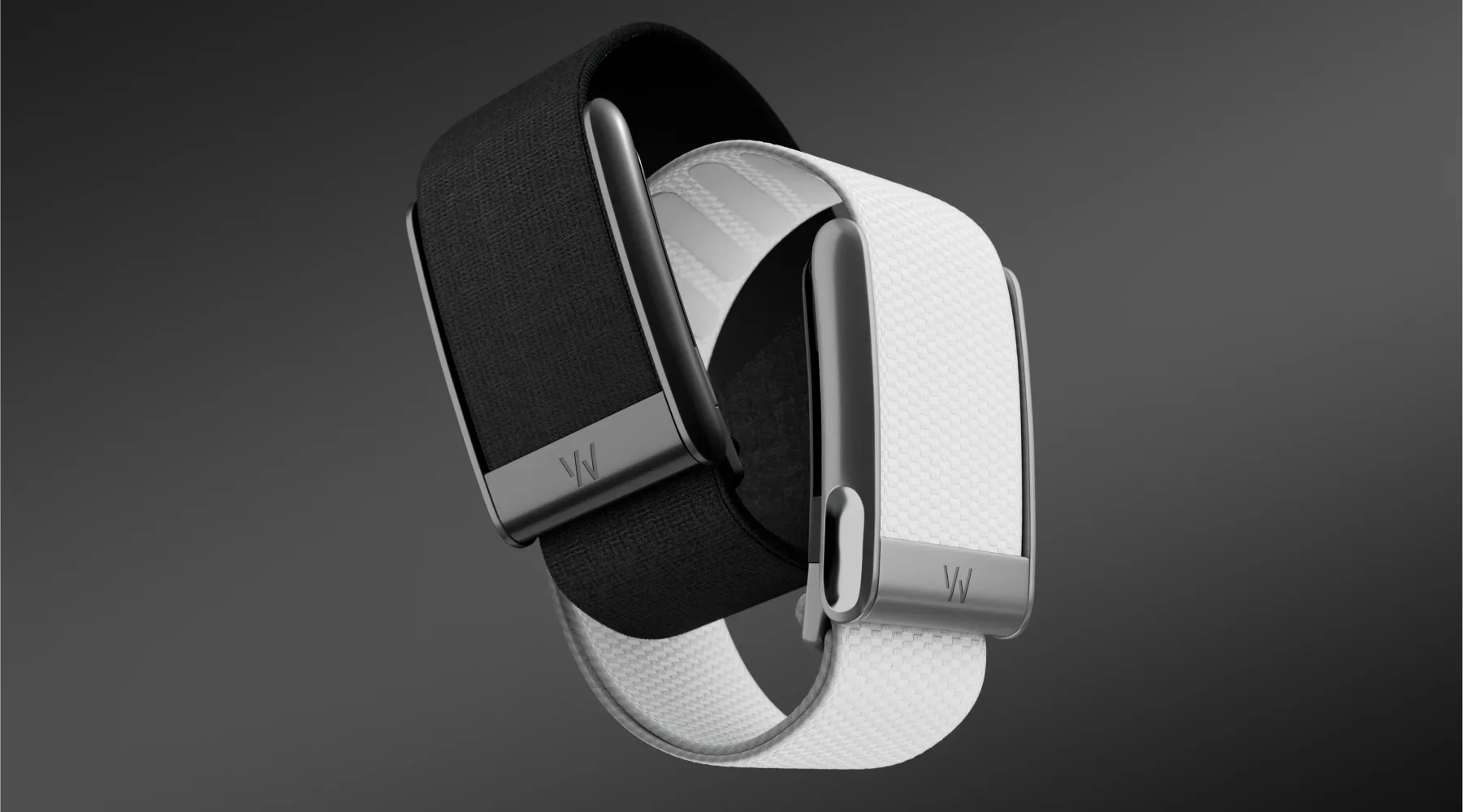
Read on for the full breakdown of core health tracking features.
WHOOP vs Circular Ring 2: Feature-by-Feature Comparison
Design and Comfort
Winner: Circular Ring 2
The WHOOP and the Circular Ring 2 look nothing alike, and the form factor is important when you are committing to wearing something every hour of the day. If 24/7 wearability is a priority, the Circular Ring 2 wins this category without much of a contest. It’s lighter, and more comfortable to sleep with.
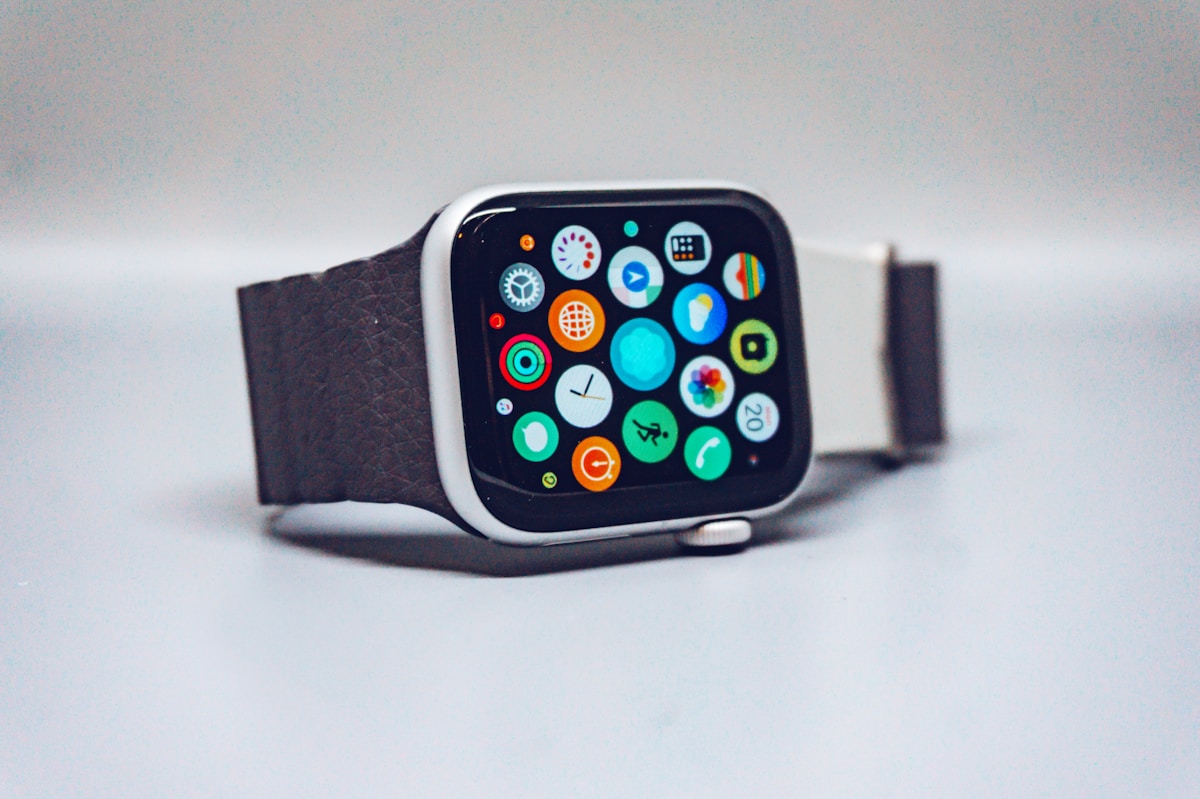
While the WHOOP 5.0 is also incredibly light at 26.5 grams and far more comfortable to sleep with than an Apple Watch, the screenless fabric band isn't without its issues. It took me around five days to get used to wearing it at night, yet wrist-based trackers are nowhere near smart rings when it comes to the comfort of all-day wear.
Sleep Tracking
Winner for performance athletes: WHOOP
Winner for everyone else: Circular Ring 2
On the fundamentals, I’d say these two are evenly matched. Both track light, REM, deep, and wake stages, build a morning recovery score, and calculate a personalized bedtime based on how recovered you want to be the next day.
Where the WHOOP earns its reputation is in sleep debt tracking. After a particularly heavy training day, it told me I needed 8 hours and 42 minutes of sleep that night to wake up fully recovered, and gave me an exact bedtime of 10:18pm to hit that target. I went to bed at 10:57 pm instead and woke up to a Recovery Score of 59%, yellow on the scale, which felt about right. That kind of precision is genuinely useful if you structure your day around performance.
As for Circular, every morning the app greets you with a thorough sleep report that covers heart rate, breath rate, body temperature, and blood oxygen levels. And the sleep score is scaled 1 through 100 just like the WHOOP. The numbers are then analyzed by Kira, Circular’s AI coach, and converted into daily recommendations on habit tweaks to improve sleep.
After analyzing my biometric data, Kira told me to cut off caffeine after 4 p.m. so it doesn’t affect my sleep, and wind down faster. My rule of thumb was no caffeine after 6, but it turns out my chronotype requires that 4 p.m. cutoff. I found these types of personalized nudges very effective for tweaking the daily habits for better sleep.
Beyond that, what most people with sleep trouble will love is Circular’s smart alarm feature. You set a wake window between, say, 6:00 and 6:30 a.m., and the ring wakes you during light sleep via the companion app, so you surface feeling rested rather than dragged out of a deep cycle.
Heart Health
Winner: Circular Ring 2 (thanks to the ECG sensor and form factor)
WHOOP tracks heart rate accurately during sleep, clocking 99.7% accuracy and 99% for HRV in an independent study. Yet wrist movement during high-intensity workouts can introduce noise into the sensor, which matters for a device whose entire strain score is built on that data. WHOOP itself recommends moving the band to the upper arm during intense training for this very reason.
Smart rings, the Circular Ring 2 included, don’t have that problem, given that a ring doesn’t slide around during a deadlift the way a wrist band does, so the readings come out more accurate. On top of that, the ring includes a coherence feature, which helped me calm down after one too many cups of coffee in the morning when my heart started beating faster than usual. The WHOOP doesn’t have a coherence feature as of yet.
As for ECG, both WHOOP MG (not the 5.0) and Circular offer AFib detection. The Circular Ring 2 performs a 40-second on-demand spot check to detect Atrial Fibrillation, Tachycardia, and Bradycardia. The WHOOP follows the same on-demand model, but ECG requires the MG hardware and the Life plan at $359 a year.
Recovery and Energy Analysis
Winner for athletes: WHOOP
Winner for everyone else: Circular Ring 2
For athletes, WHOOP's focused precision is exactly what you need. For everyone else, Circular's approach is simply more practical for everyday use.
WHOOP defines recovery as how well your cardiovascular and nervous system bounced back from yesterday's physical exertion. It builds that picture using three scores: Recovery and Sleep Performance running from 0 to 100%, and Strain on a 0 to 21 scale.
The WHOOP app surfaces all three every morning and tells you exactly how hard you should push today. For example, the other day I hit a strain of 18 by noon, and WHOOP told me that I’d done enough for the day and should hit Netflix.
That said, Circular does not have a dedicated strain score. It tracks cardio points and general activity intensity, which gives you a broad sense of how active your day was, but it does not quantify cardiovascular load workout by workout the way WHOOP does.
What the Circular Ring 2 does instead is help you manage your energy proactively rather than reactively. Kira maps out your peak energy windows based on your chronotype, identifies the best time for focused or intense work, and suggests an optimal caffeine cutoff to protect your recovery overnight.
Fitness Tracking
Winner: WHOOP
This is the category that most clearly separates the two devices since WHOOP is built around fitness performance from the ground up. Circular Ring 2 is a holistic health tracker that also covers fitness but not with the dedicated strain coaching, recovery loop, or behavioral correlation tools that make WHOOP genuinely useful for people who train consistently.
WHOOP’s Strain score aggregates continuous heart rate data into a load score from 0 to 21, and pairs every session with a recovery score the next morning, so you always know whether yesterday's training is helping or hurting you today.
On top of that, the daily journal lets you log behaviors like alcohol, sleep mask use, or intermittent fasting, and then shows you a monthly breakdown of how those habits actually correlate with your recovery, HRV, and sleep metrics.
Circular Ring 2 has 30+ sport modes and can auto detect walking and running. But for most activities you’ll have to manually start a session from a list that includes swimming, cycling, yoga, and more. For outdoor sessions, it pulls GPS from your phone to log route, distance, and pace.
Cycle Tracking
Winner: Your Call
Admittedly, this is one section I had to sit out because the biology simply wasn't on my side. So I leaned on user reports, reviews, and the specs themselves to piece together an honest picture.
Both devices use body temperature, HRV, and resting heart rate to track your cycle. But the way they use that data tells you a lot about what each device is actually built for.
WHOOP's Women's Hormonal Insights is genuinely useful for women who train. It adjusts your daily strain and recovery targets based on where you are in your cycle, because your body handles physical stress very differently in the luteal phase than it does right after your period. If you have ever pushed through a hard workout two days before your period and wondered why it felt twice as hard, this feature finally gives you a number to explain that.
Circular takes a different angle here. It tracks cycle phases and fertility windows too, but the focus is accuracy rather than training integration. As already mentioned, the finger picks up temperature shifts more cleanly than the wrist because it sits closer to the body's core, and since temperature is how both devices detect hormonal changes, that matters.
More accurate temperature readings mean more reliable predictions about where you are in your cycle.
The choice comes down to this. If you train seriously and want your workouts and recovery adjusted around your cycle, WHOOP has the more actionable coaching. If knowing your cycle and fertility window as accurately as possible is the priority, Circular has the better data to work with.
Pricing
Winner: Circular Ring 2
This is where the math gets really interesting. WHOOP is membership-based, so you never pay for the hardware upfront, but you pay for it every single year.
The One plan runs $199/year, Peak is $239/year and adds Healthspan and Stress Monitor, and Life costs $359/year with the WHOOP MG. That last one is the only way to get ECG and blood pressure monitoring on WHOOP. So you never “own it,” if that makes sense.
Circular Ring 2 costs $349. ECG, AFib detection, sleep tracking, and Kira AI are all included from day one, no subscription required.
If we do the math over three years, the results would be a massive difference in terms of investment. Three years of WHOOP Life is $1,077. So if we compare it to Circular Ring 2, you'll have spent over $700 more for the health tracker.
WHOOP vs Circular Ring 2: Verdict
Get the Circular Ring 2 if:
You want 13+ subscription-free core health features, including ECG with AFib detection, detailed sleep tracking, a smart alarm, and more, all in a discreet ring with a proactive AI coach that's comfortable enough to wear around the clock.
Get the WHOOP if:
You train seriously, want a system that ties your sleep directly to your daily strain, and care about longevity, specifically knowing whether your body is aging faster or slower than your actual age and what daily habits are driving that.
FAQs:
Which is better for athletes, WHOOP or Circular Ring 2?
WHOOP by a significant margin. The Strain and Recovery system of the WHOOP is purpose-built for people who train consistently.
Does Circular Ring 2 require subscription?
No. The 13+ core health features are included in the purchase price, on-demand ECG with AFib included.
Does WHOOP have ECG?
Only on the WHOOP MG (Medical Grade) hardware with the Life plan at $359 a year. The standard WHOOP 5.0 on any other tier does not include ECG. Circular Ring 2 includes it on every unit at no additional cost, which is one of the clearer value differentiators between the two devices.
Is a smart ring more accurate than a wrist band for sleep and HRV tracking?
Generally yes, and the reason is anatomical. The finger has a denser network of blood vessels closer to the skin surface, which gives optical sensors a cleaner signal with less motion artifact.
Which Health Tracker Fits Your Life?
Smart ring or chest strap: the right answer depends on your priorities.
- You want to track your health 24/7 without thinking about it? The 2g Circular Ring 2 is worn day and night, including for sleep. A chest strap cannot do that.
- You want to detect heart anomalies like AFib? The Circular Ring 2 is the only smart ring with an FDA-cleared ECG algorithm for atrial fibrillation detection.
- You refuse to pay monthly subscriptions? Circular Ring 2 includes 13+ premium health features, no subscription. Pay once, use for life.
Take the Quiz: See Where You Stand