%201-1.avif)
4 Best Non-Watch Fitness Trackers in 2026
Smartwatches are convenient for a quick call when you don't want to reach for your phone, but not so much for fitness tracking. Mostly because they're too bulky to lift a barbell or sleep in comfortably.
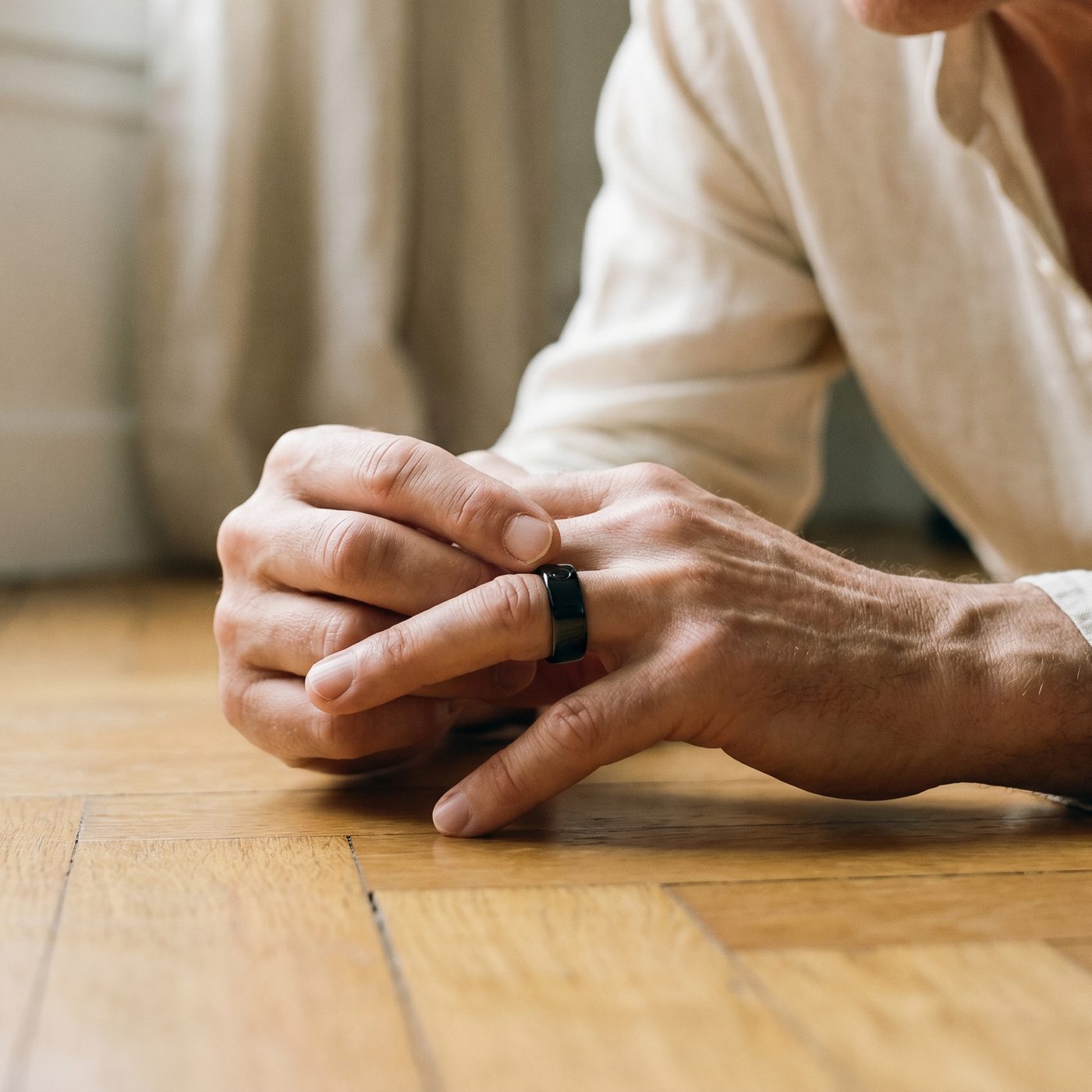
For people who want to avoid the bulk, smart rings and lightweight bands are great alternatives. This guide covers four strong non-watch fitness trackers across rings and straps, at different price points and with different strengths.
While compiling this list of non-watch fitness trackers, I kept three criteria in mind: how comfortable they are to wear all day and night without the bulk of a watch, how accurately they track vitals, and whether the price is justified.
Which Non-Watch Fitness Tracker is Right for You? Quick Take
- You train seriously and want daily guidance on when to push and when to rest→ WHOOP 5.0
- You want advanced fitness tracking and an AI health coach without the bulk of a watch or a monthly fee → Circular Ring 2
- You train hard but refuse to pay a monthly fee, and you want solid gym and sport tracking for under $100 → Amazfit Helio Strap
- You’re new to fitness tracking, want a color screen and solid basics at the lowest possible price→ Fitbit Inspire 3
| Circular Ring 2 | WHOOP 5.0 / MG | Amazfit Helio Strap | Fitbit Inspire 3 | |
|---|---|---|---|---|
| Price | $349 | From $199–$359/yr | $99.99 | $99.95 |
| Subscription | No | Required | No | Optional ($10/mo) |
| Form Factor | Ring | Band | Band | Band |
| Battery Life | 7 days | 14+ days | 10 days | 10 days |
| GPS | Phone-connected | Phone-connected | Phone-connected | Phone-connected |
| Sports Modes | 65 | 145+ | 50+ | 40+ |
| AI Coaching | Kira AI | WHOOP Coach | Zepp AI tips | Basic (Premium only) |
| ECG | Yes | Yes (MG only) | No | No |
| Platform | iOS & Android | iOS & Android | iOS & Android | iOS & Android |
1. WHOOP 5.0 / MG (Best for Athletes)
Best for: Data-driven athletes who want professional-grade recovery coaching
Price: From $239/year (Peak) to $359/year (Life/MG)
Subscription: Required
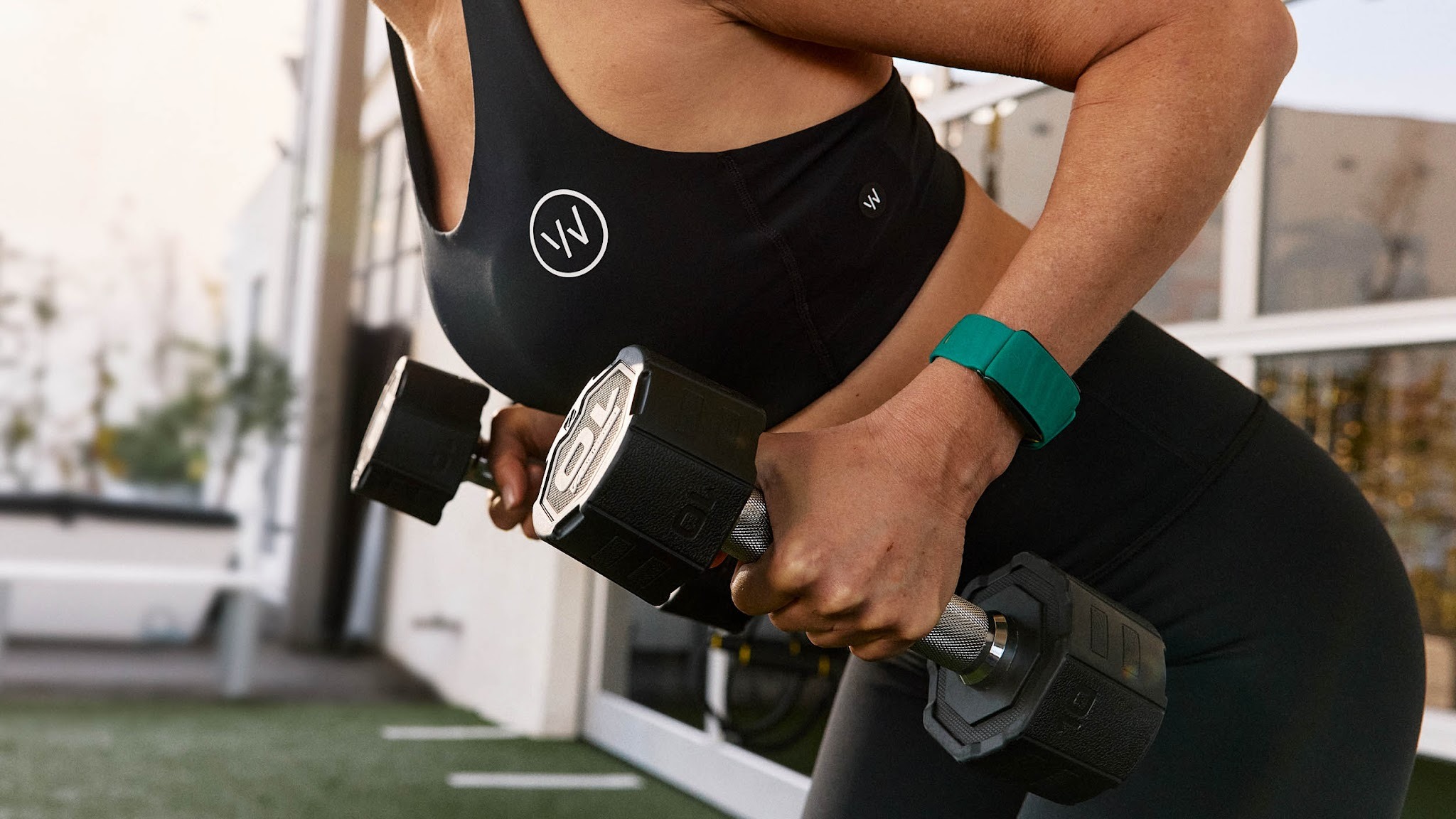
WHOOP was designed specifically for athletes. The entire platform revolves around strain, recovery, and sleep. Based on your strain score, the WHOOP tells you how hard to push on any given day so as not to burn yourself out. Unlike a smartwatch, it has no hard case or raised screen, and is by comparison more comfortable for fitness tracking, but not so much for sleep tracking because it’s still on your wrist (or arm) and takes some getting used to for nighttime wear.
It tracks your Strain (on a scale of 0-21) throughout the day, and if you happen to score 18, for example, WHOOP will recommend that you skip or lighten your workout that day.
On the recovery side, the app uses your HRV, resting heart rate, sleep quality, and respiratory rate to give you a Recovery score each morning that ranges from 0 to 100. A green score, for example, means you can push it, whereas the red one means you need to stay home and binge on Netflix.
All things considered, the WHOOP’s biggest tradeoff is the cost. If you happen to go for the Peak plan, which is $239 a year, you’ll end up paying $478 for two years of use, $717 for three years, and so forth. The WHOOP also has no GPS on the device itself, so any distance tracking requires your phone.
| Pros | Cons |
|---|---|
|
|
2. Circular Ring 2 (Best Comfort & Health Tracking)
Best for: Anyone who wants advanced fitness tracking that goes beyond the gym in something comfortable enough to wear 24/7

Price: $349
Subscription: None
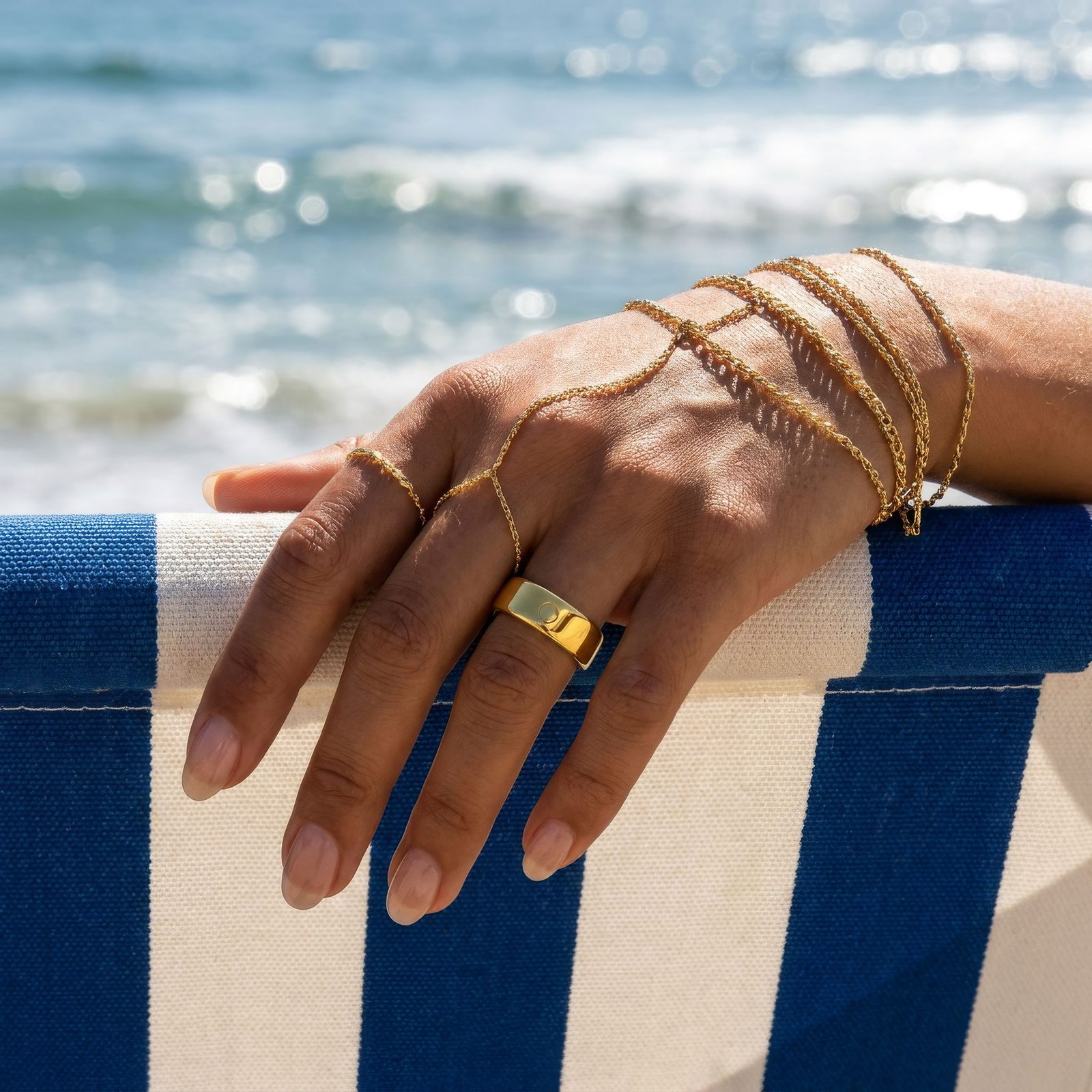
The form factor of the Circular Ring 2 will save you a lot of headache simply because you can wear it anywhere anytime (even in a sauna, but please limit the exposure). To boot, research shows that smart rings are about as accurate as clinical tools when it comes to heart rate tracking. At just 2-3 grams of titanium lounging on your finger, your workout buddies might not even realize it's a fitness tracker.
It also comes with 13+ core features (no subscription required), which makes it better suited to users who want to stay fit and healthy than serious athletes chasing performance gains.
From a fitness tracking standpoint, the Ring 2 covers the essentials very well. You get 30-plus sports modes, phone-connected GPS for outdoor sessions like running and cycling, heart rate tracking during workouts, pace, distance, calorie burn, and a VO2 max estimate. And then of course calories, steps, duration, etc.
On top of this, Circular’s AI coach Kira helps optimize your workouts by giving you time windows for workouts based on your chronotype, so it doesn’t interfere with your sleep. Kira also analyzes 140+ biomarkers and generates personalized daily recommendations for fitness and overall recovery.
The ring’s also one of a small number of wearables with an on-demand ECG recording and AFib detection. If undetected, AFib, which is an irregular heart rate rhythm, raises the risk of stroke or heart failure. Most fitness trackers don’t screen for it at all.
| Pros | Cons |
|---|---|
|
|
3. Amazfit Helio Strap (Best Budget for Strength Training)
Best for: Budget-conscious lifters and runners who want serious fitness tracking without a subscription
Price: $99.99
Subscription: None. Zepp app is free
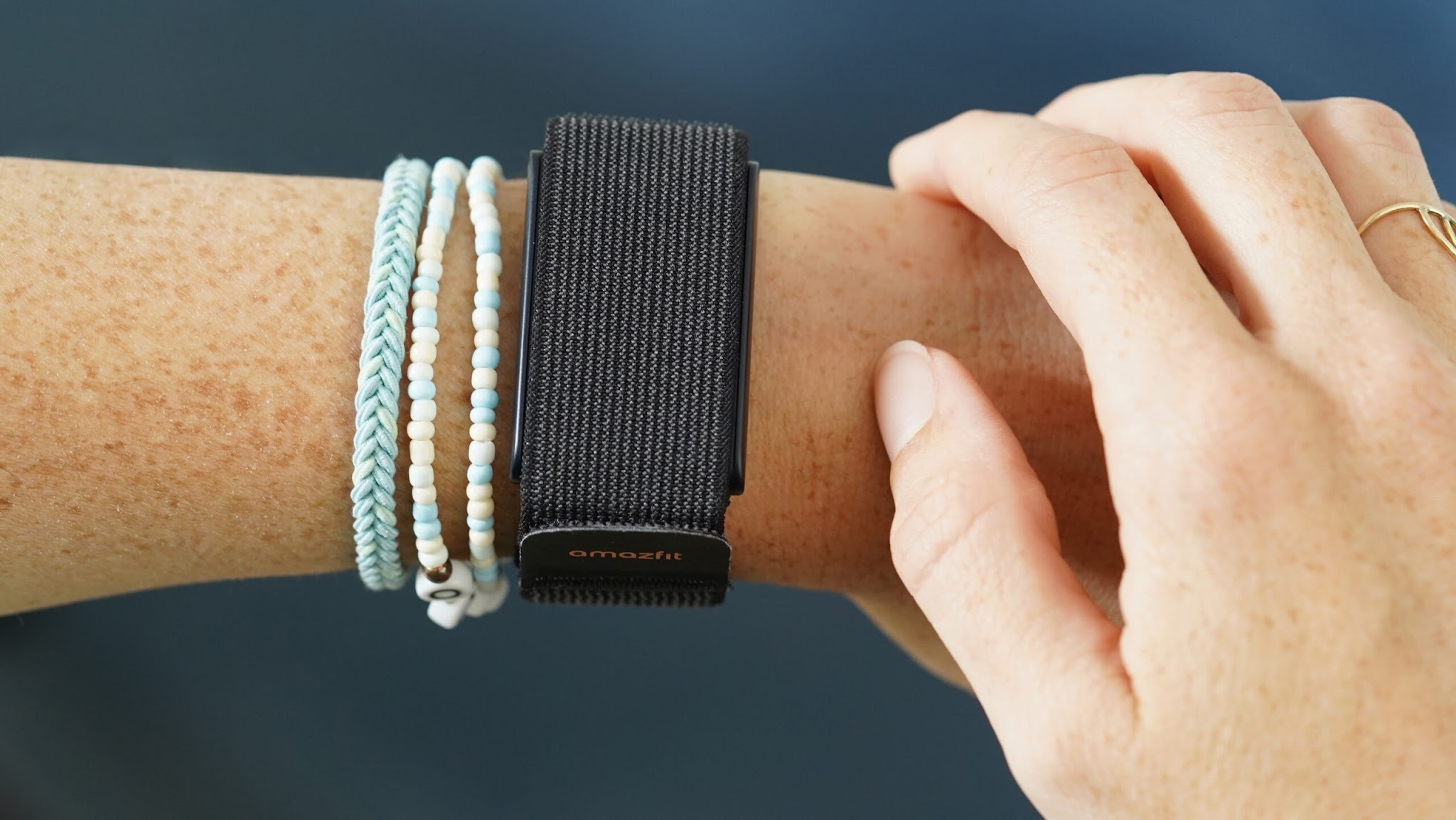
At $99.99 with no subscription, the Amazfit Helio Strap is a very practical non-watch fitness tracker for active people on a budget. Yet, it's wrist-worn and can feel bulky for some users, even though it doesn't have the bulk of a smartwatch. It’s a strap-style band, screenless, with 27-50 sports modes, a 10-day battery, and some surprisingly sophisticated training features.
The standout feature is what Amazfit calls BioCharge, which is something like your body battery meter that shows how much energy you have at any given point in a day. It updates throughout the day based on how hard you have trained, how stressed you are, and how well you are recovering.
The Helio Strap also recognizes 25 strength training movements automatically, including barbell squats, deadlifts, pull-ups, push-ups, and bicep curls. That’s very useful for gym-goers who don’t want to manually log every set. After a session, you get post-workout analysis including VO2 max, training load, training effect, and recommended recovery time.
One thing worth knowing is that the accuracy improves when you wear it on your upper arm using the optional armband extension. On the wrist during high-intensity grip-heavy exercises, readings can get a tad noisy. The strap can also broadcast your live heart rate to compatible gym equipment and cycling computers, which is a feature most wrist trackers cannot match.
The Zepp app syncs to Strava, TrainingPeaks, and Apple Health, so it slots into most fitness ecosystems without friction.
| Pros | Cons |
|---|---|
|
|
4. Fitbit Inspire 3 (Best for Beginners)
Best for: First-time fitness trackers who want simplicity, a screen, and a trusted brand under $100
Price: $99.95
Subscription: Optional. Fitbit Premium at ~$10/month. 6 months free included
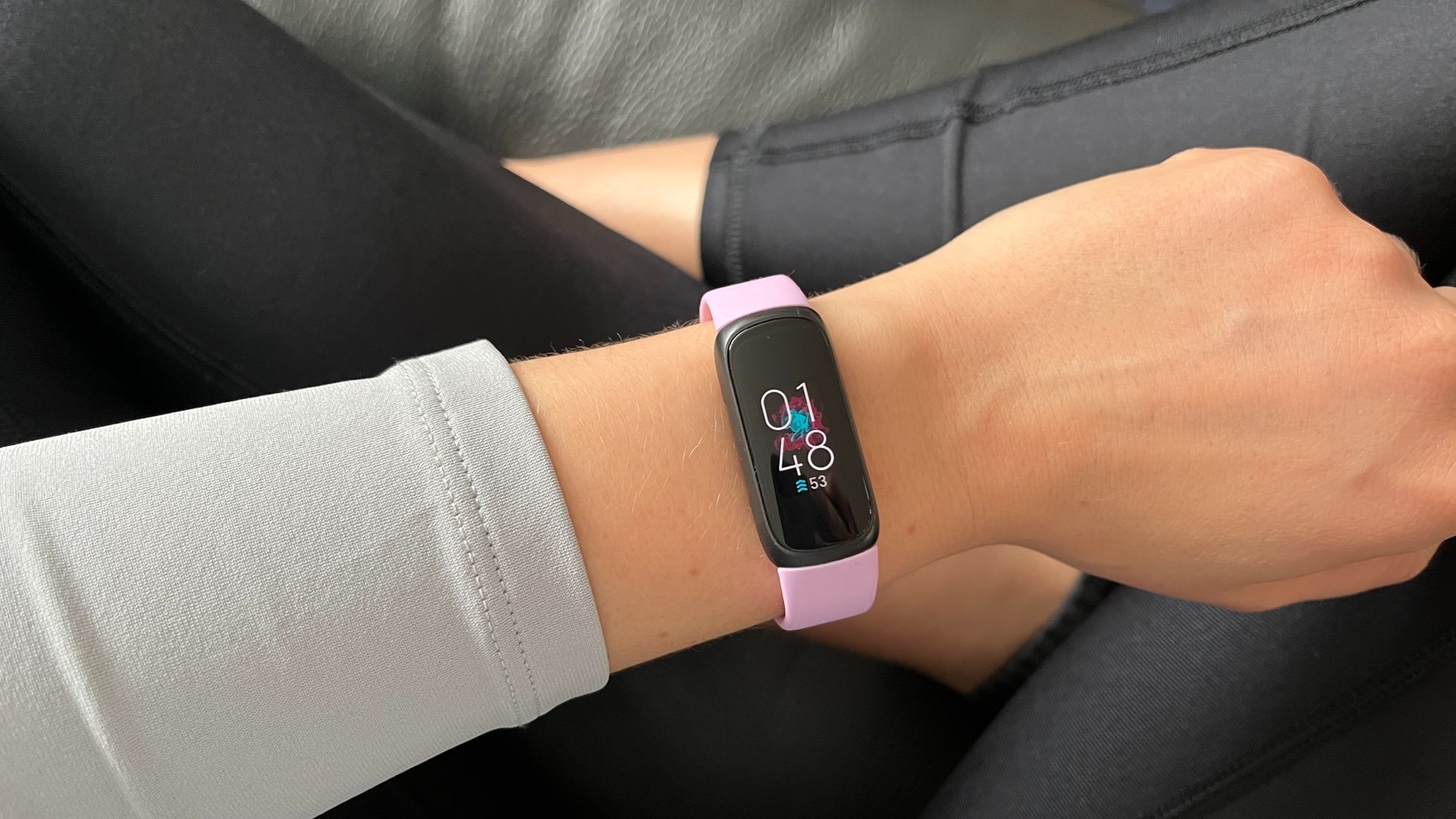
Fitbit Inspire 3 isn’t a smartwatch as we know it. Yes, it has a small color AMOLED touchscreen, but the screen itself is small enough that it doesn’t dominate your whole wrist. But yet again, it's not the most convenient tracker to sleep in.
For fitness tracking, the Inspire 3 covers over 40 exercise modes (after a July 2024 hardware update), with auto-detection for running, walking, cycling, elliptical, and rowing. You get 24/7 heart rate monitoring, Active Zone Minutes (which reward time spent in your cardio and peak zones), SpO2, and a Stress Management Score. That said, the Daily Readiness Score, which tells you how ready your body is to train, requires a Fitbit Premium subscription.
The main limitation with the Inspire 3 is depth. It's not designed for athletes who want detailed recovery analysis or AI coaching the likes of WHOOP. If you’re doing serious training, you will outgrow it quickly. It also has no GPS on the device, so outdoor run distances rely on your phone. A clip accessory lets you detach it from your wrist and wear it on your clothes, but heart rate tracking does not work when clipped.
Where the Inspire 3 wins is ease and value. It’s the most beginner-friendly device on this list, and for someone who wants to move more, sleep better, and get a handle on their stress without an overwhelming dashboard of biomarkers, it does exactly what it promises for just under $100.
| Pros | Cons |
|---|---|
|
|
FAQ
Which non-watch fitness tracker has the best AI coaching?
WHOOP's coaching is the most refined for pure fitness and recovery analysis. Circular Ring 2's Kira AI stands apart by connecting fitness data to a broader health picture, including stress, sleep, and heart health. Which one is better depends on what you want the AI to help you with.
Are smart rings accurate for fitness tracking?
Yes. Rings measure heart rate from the finger, which research has shown produces HRV readings closer to ECG gold-standard measurements than wrist-based sensors. The Circular Ring 2 updates heart rate every two minutes throughout the day and pairs with phone GPS for outdoor sessions. For general fitness tracking, the accuracy and coaching are solid.
Is WHOOP worth the subscription cost?
It depends on how seriously you train. If you want detailed daily guidance on when to push and when to rest, the coaching depth justifies the price. If you just want to track steps and sleep, it's overkill and you'd be better served by the Helio Strap or Fitbit Inspire 3.
Can the Circular Ring 2 replace a dedicated fitness tracker?
For general fitness and health awareness, absolutely. For structured athletic training with detailed sport metrics, it falls a tad short. No automatic workout detection and no onboard GPS are real limitations for serious training.
Is the Fitbit Inspire 3 still worth buying in 2026?
Yes, if your needs are basic. It tracks what it promises accurately, costs under $100, and lasts 10 days on a charge. Just do not expect WHOOP-level recovery coaching or athlete-grade analytics.
Which Health Tracker Fits Your Life?
Smart ring or chest strap: the right answer depends on your priorities.
- You want to track your health 24/7 without thinking about it? The 2g Circular Ring 2 is worn day and night, including for sleep. A chest strap cannot do that.
- You want to detect heart anomalies like AFib? The Circular Ring 2 is the only smart ring with an FDA-cleared ECG algorithm for atrial fibrillation detection.
- You refuse to pay monthly subscriptions? Circular Ring 2 includes 13+ premium health features, no subscription. Pay once, use for life.
Take the Quiz: See Where You Stand