%201-1.avif)
What Is a Normal Sleeping Heart Rate, and How Do You Measure It?
While you sleep, your heart rate goes up and down based on the sleep stage you're in. It drops as you sink into deep sleep, and climbs during REM. Yet, badly timed habits like late caffeine intake or a workout in the wrong zone for your chronotype can interfere with your sleeping heart rate, in turn harming your sleep.
Moreover, a consistently elevated sleeping heart rate over time can be a sign of sleep apnea or atrial fibrillation. Keep reading to find out what advanced sleep trackers you can use in 2026 to measure your sleeping heart rate.
Key Takeaways
- A normal sleeping heart rate for healthy adults falls between 40 and 60 bpm, roughly 20–30% lower than your daytime (between 60 and 100 bpm) resting rate.
- Your heart rate dips lowest during deep sleep and climbs back up during REM.
- Fitness, age, alcohol, stress, and underlying conditions like sleep apnea all affect your nighttime numbers.
- A consistently elevated sleeping heart rate (above 90–100 bpm) or one that drops below 40 bpm warrants a conversation with your doctor.
- The most reliable way to track your sleeping heart rate continuously and accurately is with the Circular Ring 2 that continuously tracks your HRV and sleep stages and gives you a detailed sleep report every morning. It’s also the only smart ring with an ECG sensor and advanced sleep coaching.
What Is a Normal Sleeping Heart Rate?
For most healthy adults, sleeping heart rate lands somewhere between 40 and 60 beats per minute, well below the 60 to 100 bpm that the American Heart Association considers normal during waking rest.
Your sleeping heart rate is lowest during the deep sleep stage (NREM 3) of your sleep cycle. This is the stage where your brain waves slow down into high-amplitude, low-frequency patterns called delta waves.
During this stage your hormones regulate, and your body repairs at a cellular level. Sleeping heart rate plays an important role in your overnight recovery.
Sleeping Heart Rate Curves and What They Signal
Your SHR moves through a curve all night, and the shape of that curve can tell you whether your body actually recovered or spent the night under strain. Here are the 4 main sleeping heart rate trends.
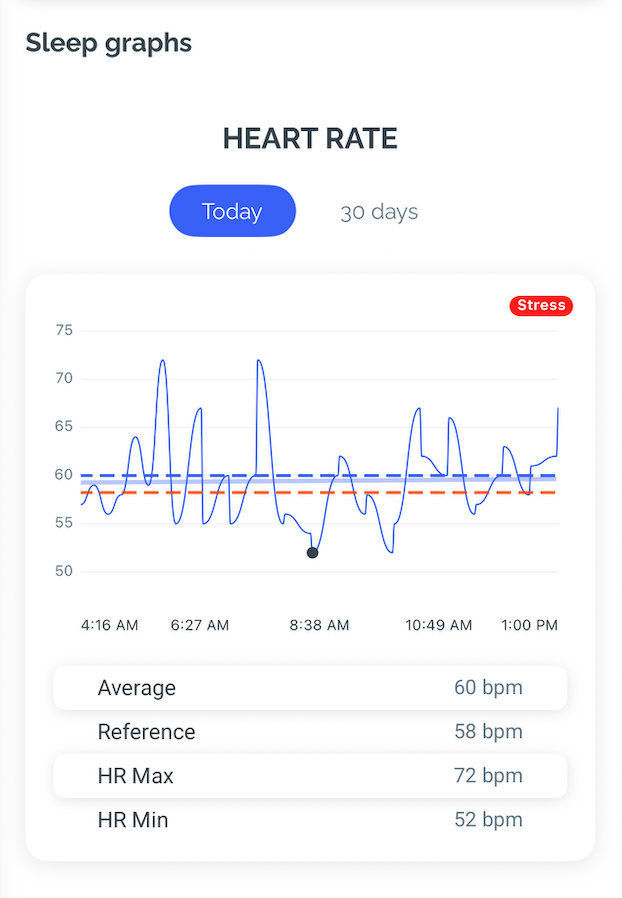
(Circular Ring 2 sleeping heart rate tracking)
- The Hammock, or a U-shape pattern, is the healthy pattern. It shows an early heart rate drop, with its lowest point around the midpoint of the night, then a gentle rise toward morning. It means your body relaxed properly, your deep sleep did its job, and you're waking up with your nervous system ready to go.
- The Downward Slope is when your heart rate starts elevated and only reaches its lowest point right before you wake up. The curve runs high to low the whole way through, like a ramp that never levels off. Your body was still processing something when you went to bed, whether that was a late meal, alcohol, or a workout too close to bedtime. You may wake up feeling groggy even after a full night.
- The Hill is an inverted U pattern, basically. Your heart rate rises right after you fall asleep instead of dropping, peaks early, then comes back down. It's often a sign of exhaustion, or that you went to bed later than your body wanted. Snoring and congestion can push this one too.
- The Uplands is a flatline that runs high, with erratic spikes throughout the whole night, never really settling into a clean arc in either direction. This is the one worth paying the most attention to, as it usually points to significant strain from illness, stress, or a deeper sleep disruption
READ MORE: Improve deep sleep with Circular Ring 2
Why Should You Track Your Sleeping Heart Rate?
By tracking your sleeping heart rate you can tell whether your sleep was restorative and if your habits are affecting it. If your heart rate, for example, spikes to 72 bpm on nights you drank alcohol during the day but sits at 58 on regular nights, you can spot patterns and adjust your daily habits for a better sleep quality. Most importantly, with a sleep tracker you can catch underlying sleep disorders, breathing disorders like sleep apnea, and heart conditions like atrial fibrillation years in advance.
What Affects Your Sleeping Heart Rate?
Your genetics and daily habits both play a role in your sleeping heart rate. For example, your circadian clock genes dictate how much your heart rate slows down at night. Genes also determine your baseline heart rhythm and muscle cell contraction. Autonomic nervous system genes, stress response genes, and heart disease genes all factor in too.
Lifestyle choices matter as much as genetics. And all of it comes down to timing. This is the area where you have control, and by tweaking your habits you can stabilize your sleeping heart rate and get more quality sleep at night. Badly timed caffeine, for example, is a major culprit for an elevated sleeping heart rate. Alcohol consumption affects your sleeping heart rate by forcing it up for hours after you go to bed.
Workout and meal timing can also jeopardize sleep if done outside of your time windows based on your chronotype (which is our natural tendency to feel sleepy and wake up). The rule of thumb is to avoid caffeine after 2pm, complete your workout in the morning or early afternoon, and have your last meal before 7pm. That said, this picture can change noticeably based on your chronotype. For example a person with a night type chronotype is best wired to workout at 6:30 p.m., so they can wind down and have moderate caffeine intake.
Pro-Tip: You can tweak your daily habits with Circular Ring 2, an advanced sleep tracker that identifies your chronotype after the initial 14-day calibration and tells you when you're most wired to consume caffeine, workout, and work during the day.
How to Measure Your Sleeping Heart Rate Accurately
| Method | Sensor type | Accuracy | Comfort | Data detail |
|---|---|---|---|---|
| Smart ring (~$349) | Optical PPG, finger | Highest | Excellent | Full nightly curve, beat-by-beat HRV |
| Smartwatch (~$159–$500) | Optical PPG, wrist | Good | Moderate | Full nightly curve; accuracy dips if fit loosens |
| Under-mattress sensor (~$125) | Ballistocardiography (vibration) | Fair | Excellent | Nightly trend; less reliable beat detail |
| Manual pulse check | Fingertip, on waking | Limited | Excellent | Single morning snapshot only |
Not all methods of measuring your sleeping heart rate are created equal. A manual pulse check and a continuous sleep tracker can produce very different pictures of the same night. Here are the main four methods, listed from most to least reliable.
Smart Rings
Smart rings are the most accurate and reliable way to record your heart rate during sleep. The finger has rich arterial blood flow very close to the surface, and this anatomical position makes it one of the best sites on the body for optical heart rate monitoring.
A 2025 study published in PMC comparing nocturnal heart rate accuracy across wearable devices found that ring-form-factor devices consistently outperformed wrist-based trackers when measured against an ECG reference. They are lightweight enough that most people forget they are wearing one, and in the morning your full heart rate curve for the night is waiting for you in the app.
Smartwatches
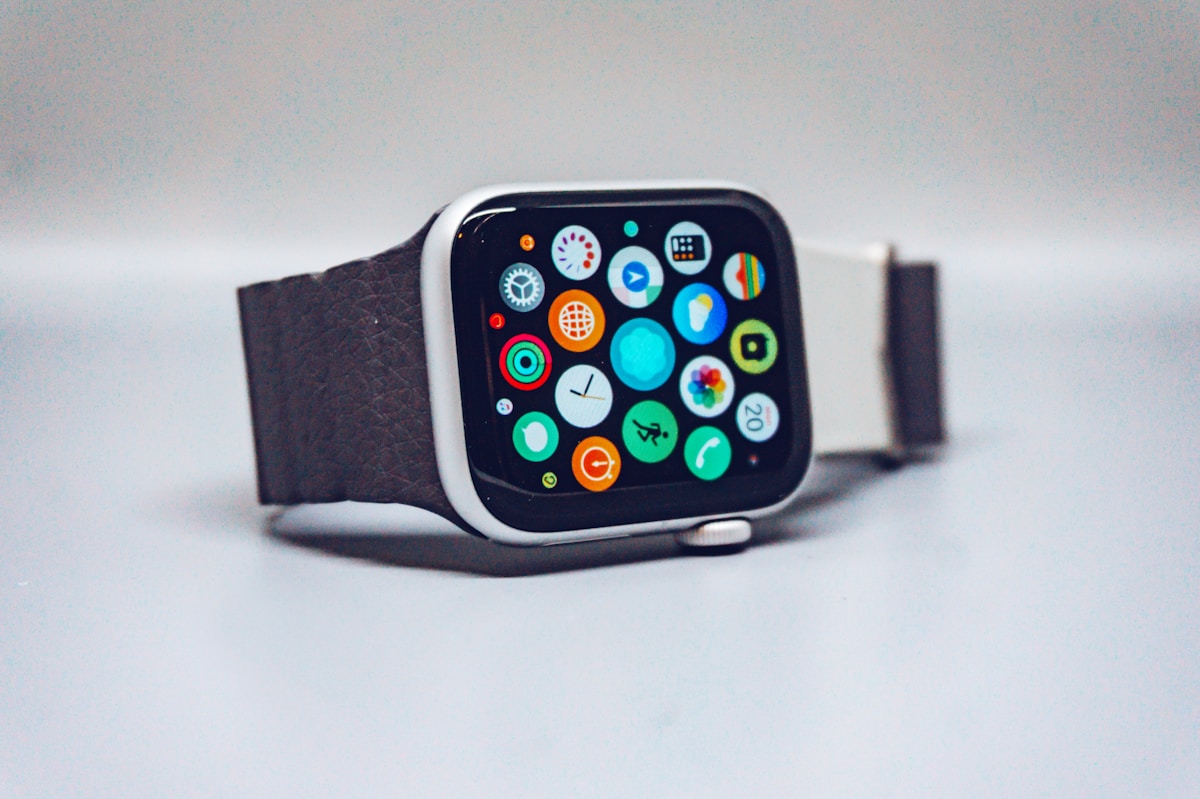
Smartwatches like the Apple Watch, Garmin, and Fitbit track heart rate throughout the night using optical PPG sensors on the wrist. They can be reasonably accurate for spotting general trends. Compared to smart rings, though, the wrist is a less reliable position for PPG sensors because movement noise is higher, the signal quality degrades if the fit loosens during sleep.
Under-mattress sensors
Under-mattress sensors like the Withings Sleep mat slide under your mattress and track your heart rate, breathing, and movement without you wearing a thing. For people who hate sleeping with anything on their wrist or finger, that is the main appeal.
That said, the tradeoff with under-mattress sleep trackers is accuracy, since heart rate readings are inferred from micro-vibrations transmitted through the mattress rather than read directly from your skin. The thicker the mattress, the weaker the signal.
The Manual Pulse Check
The manual approach is checking your pulse first thing in the morning before you get out of bed. It gives you a rough resting rate, but it's also a snapshot from the end of the night. That said, it doesn’t give a complete picture of what your heart was doing all the way through it.
What Is the Best Device to Measure Sleeping Heart Rate?
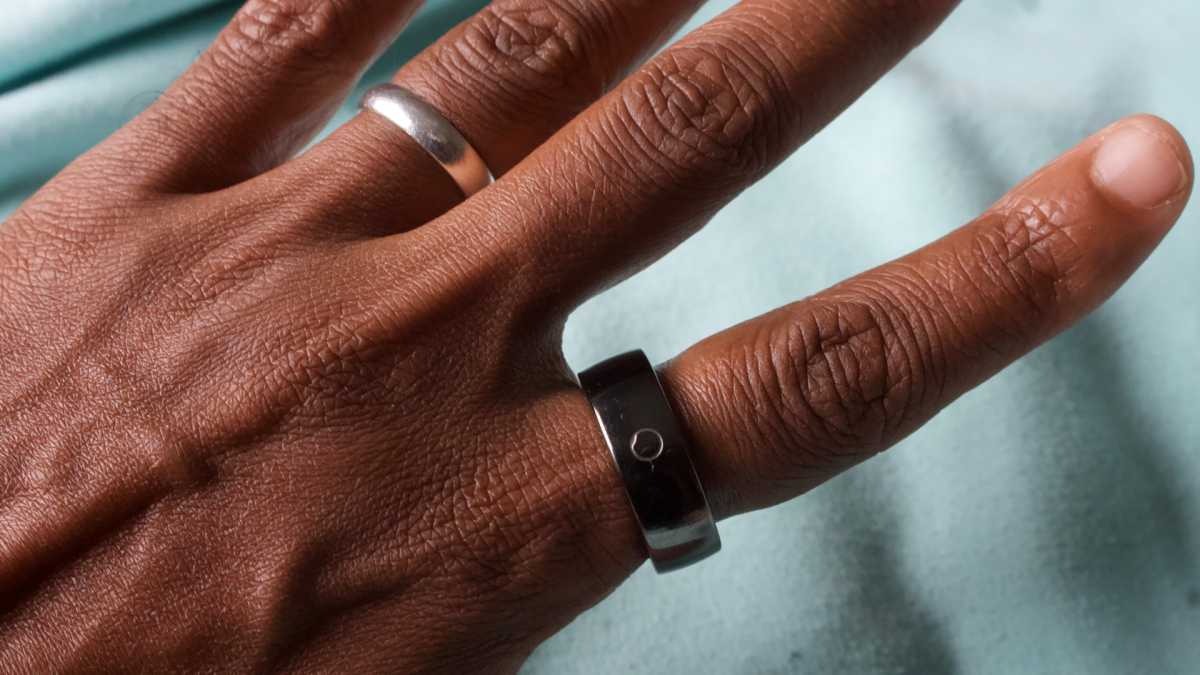
(Image credit: Mike Sawh)
The Circular Ring 2 is the best smart ring when it comes to advanced sleep tracking. It takes heart rate readings every two minutes throughout the night, tracks your sleep stages, and identifies the disturbances including circadian misalignment and stress levels.
In the morning, the companion app produces a full sleep report showing how long you spent in light, deep, and REM sleep, and what your sleeping heart rate was. Kira, the AI coach, cross-references 140+ biomarkers to say whether your heart rate was truly restorative, and generates a personalized action plan for the day for you to improve sleep.
On top of advanced sleep tracking, it’s the only smart ring with an ECG sensor. In an on-demand reading of 40, you can run a check and detect atrial fibrillation, tachycardia, and bradycardia. Until recently, catching them outside a clinic meant a prescription-only Holter monitor.
Additional sleep features include:
- Chronotype identification: after the initial 14-day calibration, the ring will tell you if you’re naturally wired to go to bed early or late.
- Smart alarm: in the app, you set a time window to wake up in the morning, and the ring wakes you up during a light sleep stage so you complete your deep sleep cycle and do wake up refreshed.
When Should You See a Doctor?
A single unusual reading is rarely a crisis because a different-than-usual bedtime, alcohol, and stress can drive our sleeping heart rate up. What warrants attention is a rate that stays consistently outside your normal range over multiple nights without an obvious cause. Especially when your habits are in check.
See a doctor if your sleeping heart rate is consistently above 100 bpm. This is classified as nocturnal tachycardia. Or, if it's been under 60 bpm for a while (bradycardia), it also warrants attention. That said, if you’re an athlete and your sleeping heart rate reaches 40 and below, it’s often completely benign (since years of cardio training make the heart strong enough to pump the same volume of blood with far fewer beats).
In non-athletic individuals this can signal an underactive thyroid, or a conduction problem in the heart. If you experience symptoms like chaotic spikes, skipped beats, or palpitations, particularly alongside chest discomfort, shortness of breath, or daytime fatigue, you need to see a doctor right away.
Pro Tip: Atrial fibrillation, the most common heart arrhythmia, often goes undetected for years. You can catch it with an ECG wearable, and send the on-demand recordings to your healthcare provider.
FAQs
What is a normal heart rate during sleep for adults?
For most healthy adults, a normal sleeping heart rate falls between 40 and 60 bpm, which is roughly 20 to 30 percent lower than the typical daytime resting rate of 60 to 100 bpm.
Is a sleeping heart rate of 50 bpm too low?
No. A sleeping heart rate of 50 bpm is solidly within normal range for most adults, and it's especially common in people who exercise regularly. Athletes can sleep even lower, often in the high 30s to low 40s, without any cause for concern.
Why does my heart rate go up during the night?
The most common culprit is REM sleep, where your heart rate naturally climbs back toward waking levels. Other causes include alcohol, stress, illness, and sleep apnea. A consistently elevated overnight rate that isn't explained by these factors is worth discussing with your doctor.
Can a smartwatch accurately measure sleeping heart rate?
Smartwatches can give you useful trend data, but they're limited by the wrist's vascular anatomy and sensor placement. Smart rings, particularly the Circular Ring 2, measure from the finger and deliver more consistent, higher-quality readings because the finger offers superior blood flow near the surface for optical sensors.
What is the difference between resting heart rate and sleeping heart rate?
Resting heart rate is measured when you're awake and calm, typically sitting quietly. Sleeping heart rate is measured during sleep and tends to be lower still, because your body's oxygen demands drop further and your parasympathetic nervous system is more active. The two numbers are related but not the same.
Does the Circular Ring 2 require a subscription?
No. All core features, including continuous heart rate tracking, ECG analysis, AFib detection, and Kira AI coaching, are included in the purchase price with no ongoing subscription required.
What is the most advanced sleep tracker in 2026?
The Circular Ring 2. It's the only sleep tracker on the market with a built-in ECG sensor, and which tracks 140+ biomarkers to generate daily recommendations based on your biology. No subscription required for any of it.
Can I measure my sleeping heart rate with a sleep tracker?
Yes. Most smart rings and smartwatches do this continuously through the night using a PPG sensor. That said, smart rings tend to be more accurate because the finger has richer blood flow closer to the surface than the wrist, which makes for cleaner readings.
What do sleep trackers do?
They track your heart rate, sleep stages, body temperature, and movement overnight and give you a sleep score in the morning. They also detect heart irregularities and tell you what caused them.
Take the Quiz: See Where You Stand