%201-1.avif)
Circular Ring 2: The First and Only Smart Ring with FDA-Cleared ECG
Your heart beats roughly 100,000 times a day. Each beat is an electrical event: a wave of depolarization that starts in the sinoatrial node, spreads across the atria, pauses at the atrioventricular node, and then rushes through the ventricles. That electrical signature, captured as an electrocardiogram (ECG), is one of the richest sources of information about your cardiovascular health.
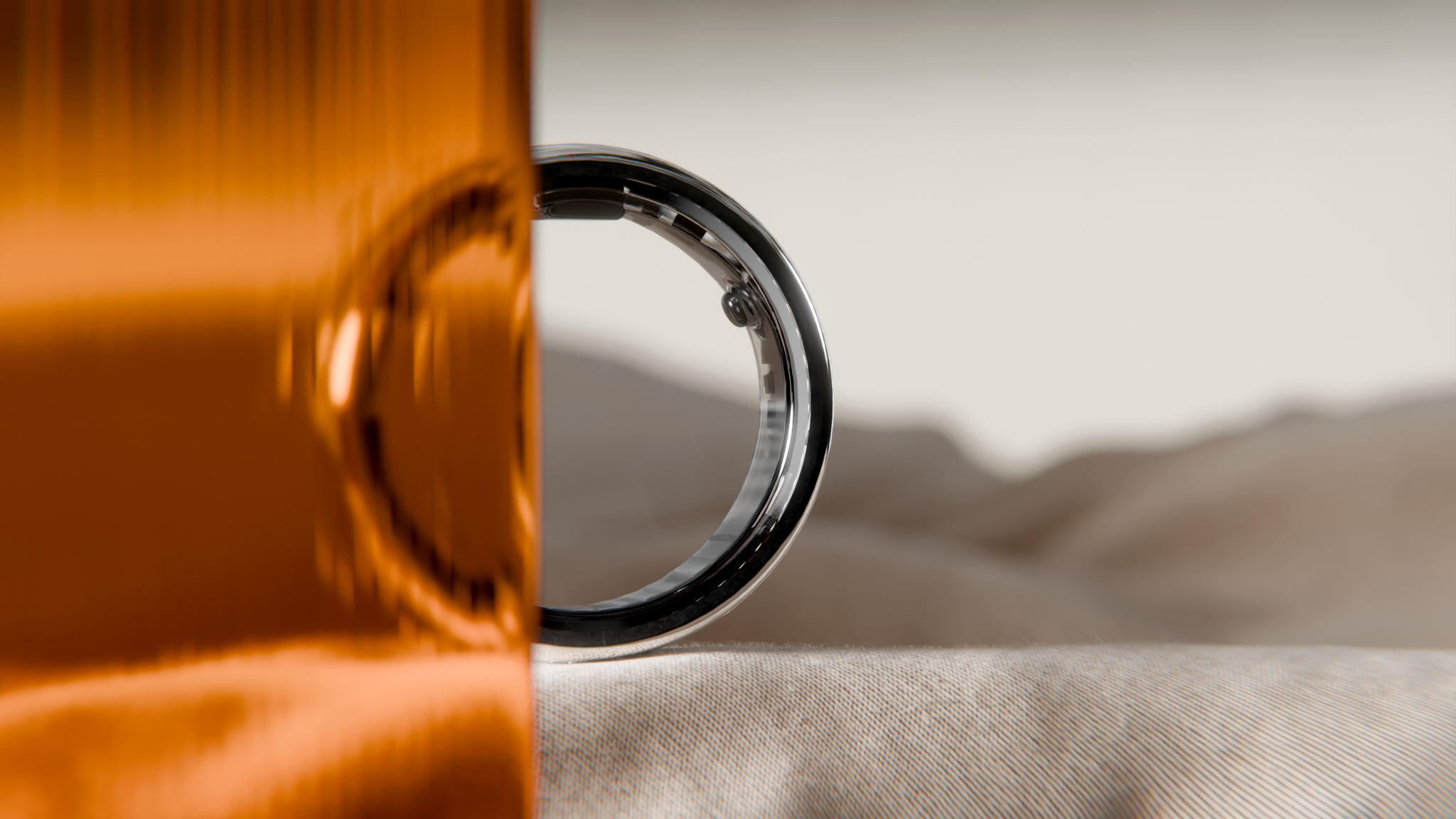
Circular Ring 2 is the world’s first and only smart ring that captures a real ECG. Not an optical estimate. Not a PPG approximation. A genuine electrical reading of your heart rhythm, analyzed by an FDA-cleared cloud-based classification algorithm. In this article, I want to explain the science behind ECG in a ring, what FDA clearance actually means, and why it matters for your health.
PPG vs. ECG: Why the Distinction Matters
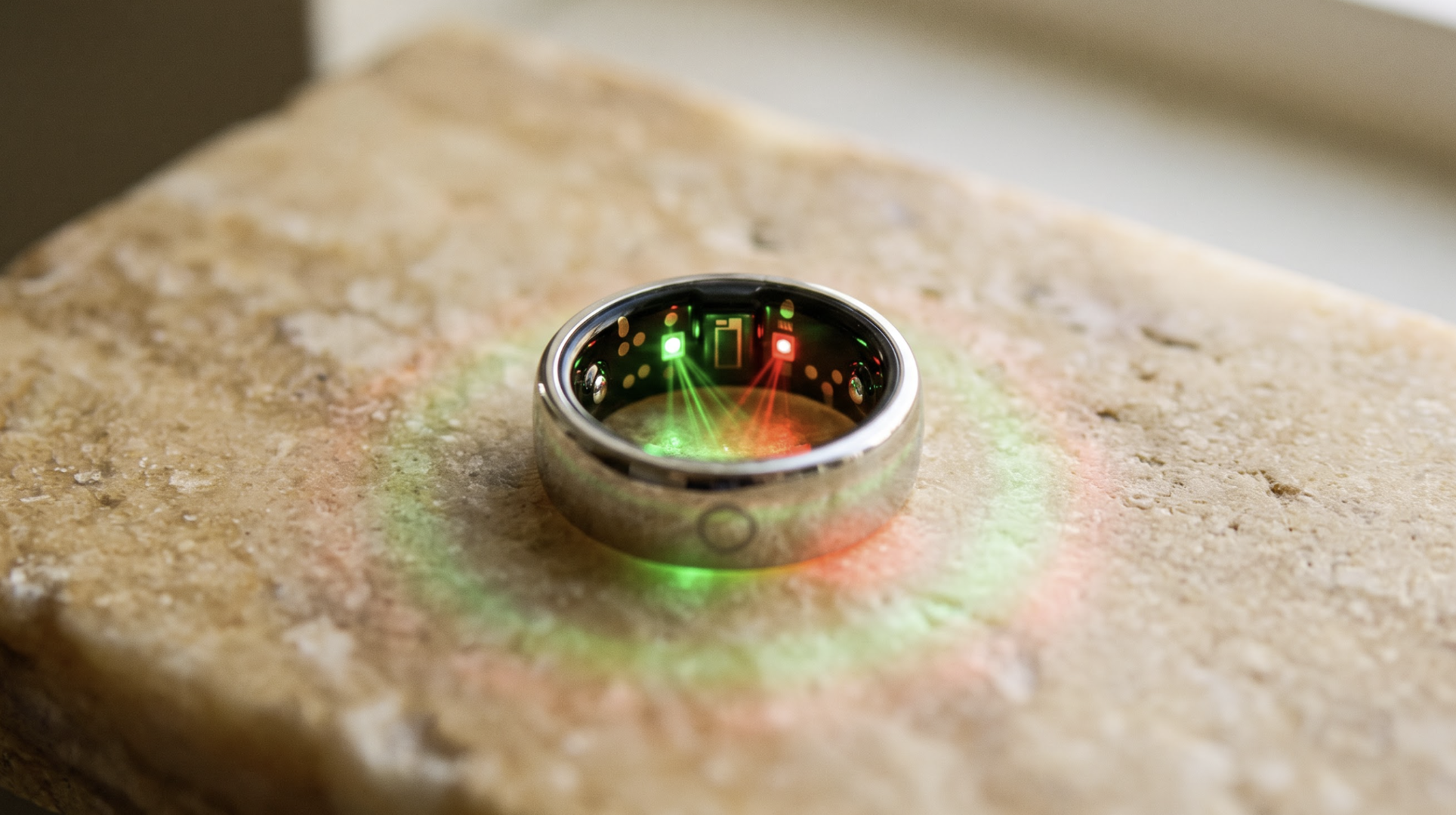
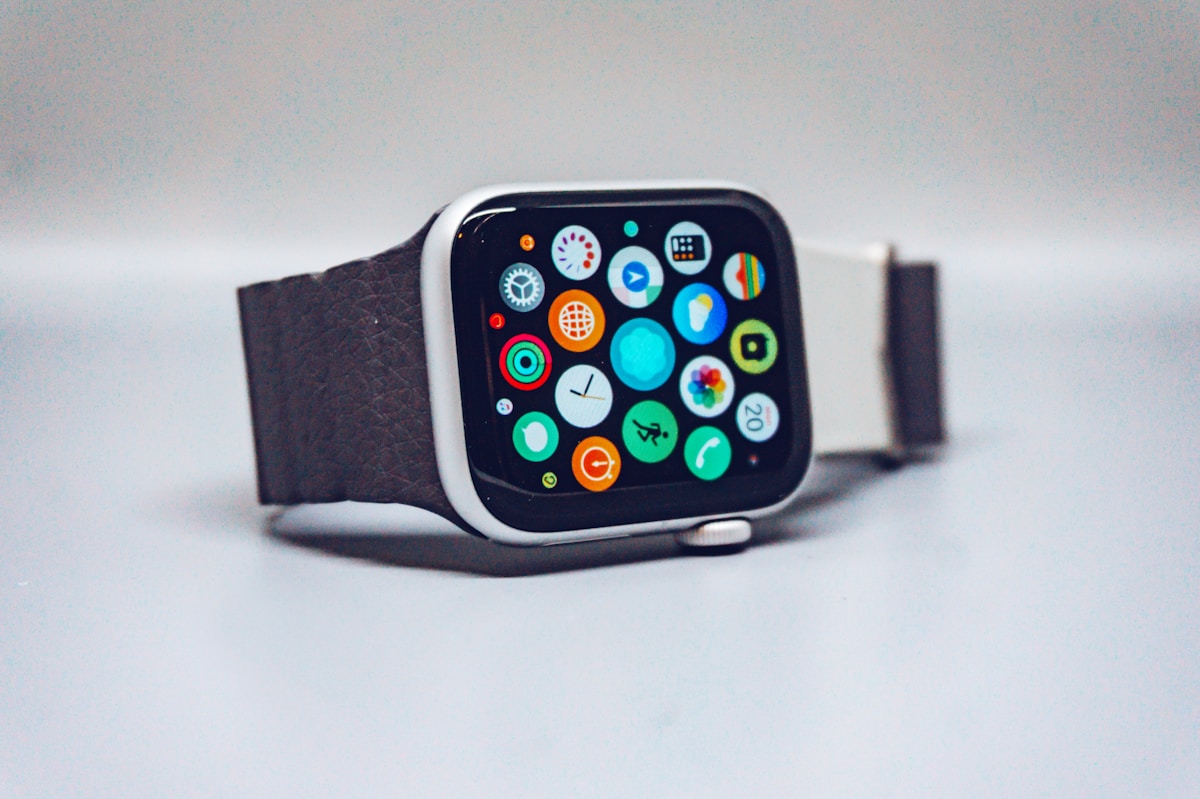
Almost every smart ring and smartwatch on the market measures your heart rate using photoplethysmography (PPG): green or red LEDs that shine light into your skin and measure the light reflected back. As your blood volume changes with each heartbeat, the amount of reflected light changes. The device counts these changes and gives you a heart rate number.
PPG is good for counting beats per minute. It is not good for analyzing the electrical pattern of those beats. PPG cannot detect atrial fibrillation with clinical reliability because it only sees blood volume changes, not the electrical wave that causes them. It can flag an irregular pulse, but it cannot tell you whether that irregularity is AFib, premature atrial contractions, or just a noisy reading.
ECG is fundamentally different. It captures the actual electrical depolarization and repolarization of your heart muscle. Each component of the ECG waveform (the P wave, QRS complex, T wave) corresponds to a specific electrical event in the cardiac cycle. When those waveforms deviate from normal, it tells a story: a missing P wave suggests AFib; a wide QRS complex suggests a conduction delay; ST segment elevation suggests myocardial ischemia.
Circular Ring is the only smart ring that gives you this level of cardiac insight.
How ECG Works in a Ring: The Engineering Challenge
Building an ECG into a device that weighs 2 grams and is 2.55 mm thin was an extraordinary engineering challenge. Here is how we solved it:
The ring has 1 dry-lead ECG sensor with an electrode embedded on its inner surfaces. To take a reading, you wear the ring on one finger and touch the outer electrode with a finger from your opposite hand. This closes an electrical loop across your chest. The electrodes detect the tiny voltage changes (roughly 1 millivolt) that occur on your skin surface as your heart depolarizes and repolarizes.
The signal passes through an analog front-end that filters out noise: muscle artifacts, power line interference, and baseline wander from breathing. The cleaned signal is digitized and transmitted to the Circular app, which sends it to the cloud-based classification algorithm.
A single reading takes about 40 seconds. During that time, the algorithm analyzes multiple heartbeat waveforms and classifies the rhythm. If it detects signs of arrhythmias like atrial fibrillation, you receive an arrhythmias classification and a recommendation to consult your doctor.
What FDA Clearance Means (and What It Does Not Mean)
This is one of the most important aspects of Circular Ring.
The FDA-cleared component is the cloud-based classification algorithm that analyzes the ECG data and determines whether the rhythm shows signs of atrial fibrillation. It is not the sensor hardware. It is not the raw waveform. It is the software algorithm that reads the waveform and produces a classification: normal sinus rhythm, AFib detected, bradycardia, tachycardia or inconclusive.
FDA clearance (specifically, 510(k) clearance) means the algorithm has been validated against clinical gold-standard ECG equipment and demonstrated substantial equivalence in detecting AFib. It means the algorithm meets medical-grade accuracy standards for this specific use case: AFib detection.
What it does not mean: Circular Ring is not a medical device for diagnosing all cardiac conditions. It does not detect heart attacks, it does not measure QT interval prolongation, and it should not replace check-ups with your cardiologist. The ECG feature is a screening tool designed to catch early or current signs of AFib.
We are actively developing the classification algorithm to detect additional arrhythmia conditions beyond AFib: atrial flutter, premature ventricular contractions, patterns are all on our roadmap. These will be delivered as software updates to Circular Ring, with the appropriate regulatory clearances.
AFib: Why It Deserves Your Attention
Atrial fibrillation is the most common sustained cardiac arrhythmia, affecting an estimated 37.6 million people worldwide according to a 2021 study in the Journal of the American College of Cardiology. It is characterized by chaotic electrical activity in the atria, which causes them to quiver instead of contracting normally.
The danger of AFib is not the arrhythmia itself, but what it can cause: blood pooling in the atria can form clots, and those clots can travel to the brain, causing a stroke. People with AFib have a fivefold increased risk of stroke. The tragedy is that AFib is often asymptomatic: roughly 30% of people with AFib do not know they have it until a stroke occurs.
This is why accessible ECG screening matters. If you can capture an ECG reading in 40 seconds from your finger, once a day or once a week, you are creating a cardiac rhythm record that can surface AFib before it causes a stroke. Early detection leads to early treatment (typically anticoagulation medication), which dramatically reduces stroke risk.
Beyond AFib: The Future of Cardiac Monitoring in a Ring
AFib detection is just the first arrhythmia classification we have cleared. The same ECG hardware that captures the waveform today will, with future algorithm updates, be capable of identifying:
Atrial flutter: Similar to AFib but with a more organized, sawtooth pattern. Often coexists with AFib and carries similar stroke risk.
Premature ventricular contractions (PVCs): Extra heartbeats originating in the ventricles. Occasional PVCs are common and benign, but frequent PVCs can indicate underlying heart disease.
Bradycardia patterns: Abnormally slow heart rate that may indicate issues with the heart's natural pacemaker.
Tachycardia patterns: Abnormally fast heart rate that may require investigation, particularly if sustained.
And even blood pressure and glucose estimate.
These classifications will be delivered as software updates, not hardware upgrades. The ring you buy today has the sensor capability to support them. The algorithms and regulatory clearances are what we are working on next.

No Subscription Required
ECG and AFib detection are included in the 13+ core health features of Circular Ring. No monthly fee, no paywall, no premium tier. Heart health monitoring should be accessible, not locked behind a subscription.
Frequently Asked Questions
Is the ECG in Circular Ring the same as a hospital ECG?
Circular Ring captures a single-lead ECG (Lead I equivalent), which is sufficient for rhythm analysis and AFib detection. Hospital ECGs use 12 leads for a comprehensive view of the heart's electrical activity from multiple angles. The single-lead ECG in the ring is designed for rhythm screening, not for diagnosing structural heart conditions or ischemia.
How often should I take an ECG reading?
There is no single right answer. Many users take a reading once daily, typically in the morning. If you have risk factors for AFib (age over 65, hypertension, diabetes, obesity), more frequent monitoring may be advisable. If you’re just screening, 1 every month is fine.
What does FDA clearance actually cover?
The FDA 510(k) clearance covers the cloud-based classification algorithm that detects atrial fibrillation from the ECG waveform. It validates that the algorithm's AFib detection accuracy is substantially equivalent to clinical-grade ECG equipment. The sensor hardware itself is not FDA-cleared; the algorithm is.
Can the ECG detect a heart attack?
No. Circular Ring is not designed or cleared to detect myocardial infarction (heart attack). If you experience chest pain, shortness of breath, or other heart attack symptoms, seek emergency medical attention immediately. Do not rely on a wearable device for emergency diagnosis.
Will Circular detect other arrhythmias in the future?
Yes. We are actively developing classification algorithms for atrial flutter, premature ventricular contractions, bradycardia, and tachycardia. These will be delivered as software updates to Circular Ring, with appropriate regulatory clearances. The hardware is already capable; the algorithms and clearances are what we are working on.
Does ECG drain the battery?
ECG readings are on-demand (you initiate them), not continuous. A single 40-second reading uses minimal battery. With typical use (one ECG reading per day plus continuous sleep and activity tracking), Circular Ring lasts up to 8 days on a charge.
Take the Quiz: See Where You Stand
References
1. Lippi G, Sanchis-Gomar F, Cervellin G. "Global epidemiology of atrial fibrillation." Journal of the American College of Cardiology, 2021. https://www.jacc.org/doi/10.1016/j.jacc.2021.01.031
2. Hindricks G et al. "2020 ESC Guidelines for the diagnosis and management of atrial fibrillation." European Heart Journal, 2021. https://academic.oup.com/eurheartj/article/42/5/373/5899003
3. Perez MV et al. "Large-scale assessment of a smartwatch to identify atrial fibrillation." New England Journal of Medicine, 2019. https://www.nejm.org/doi/full/10.1056/NEJMoa1901183
4. US Food and Drug Administration. "510(k) Premarket Notification." https://www.fda.gov/medical-devices/premarket-submissions/510k-premarket-notification
5. Kligfield P et al. "Recommendations for the standardization and interpretation of the electrocardiogram." Circulation, 2007. https://www.ahajournals.org/doi/10.1161/CIRCULATIONAHA.106.180200