%201-1.avif)
Smart Ring vs Smart Watch: Which is Better?
Today, the wearable market really centers around two devices: smart watches and smart rings. Smart watches held the lead for years because they gave users a full set of on-wrist tools like reading texts without touching your phone or tapping your wrist for NFC payments at a supermarket.
Having said that, smart rings have moved fast in a short time. And suffice to say, they are built for a different kind of user. These tiny yet luxurious wearables focus on low-profile health tracking, which suits people who want health insight, not a suite of productivity tools on their wrist demanding attention every few minutes.
So if you’re trying to figure out which way to go yourself, this guide breaks down what each device handles well so you can see which one fits more naturally into your day.
What Smart Rings and Smartwatches Actually Are
Smart Ring
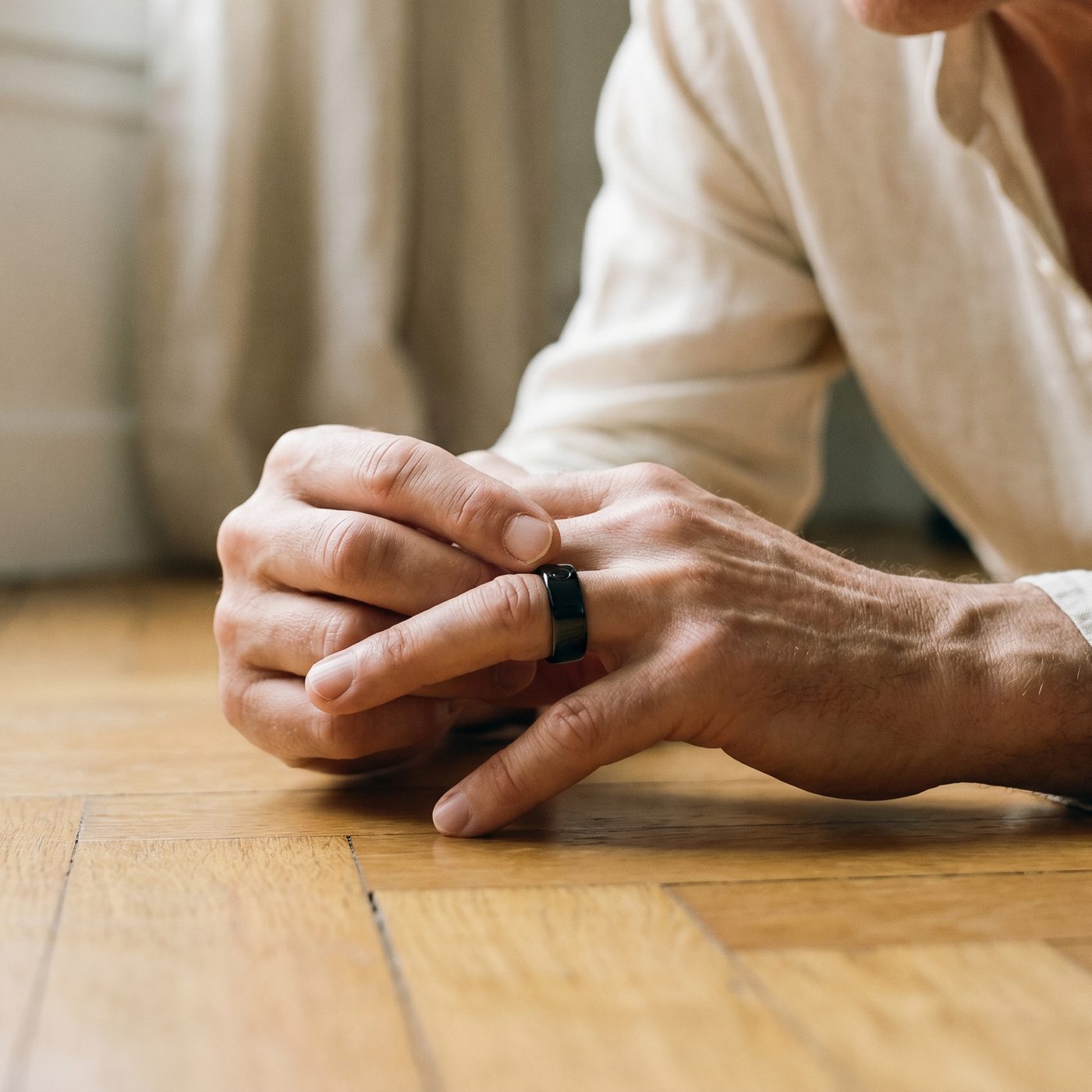
Smart rings cover a wide range of use cases. Some, like the NCF Ring, are for contactless payments. Others are built for wellness and track sleep, heart rate, recovery, and other vital metrics that help you understand how you are moving through the day.
Health-focused rings use tiny sensors inside the band, including optical heart-rate readers, accelerometers that pick up movement, and in more advanced models skin-temperature sensors. They collect data quietly in the background and send everything to the companion app, since the ring itself has no display like a smartwatch and relies on your phone to put the information into context.
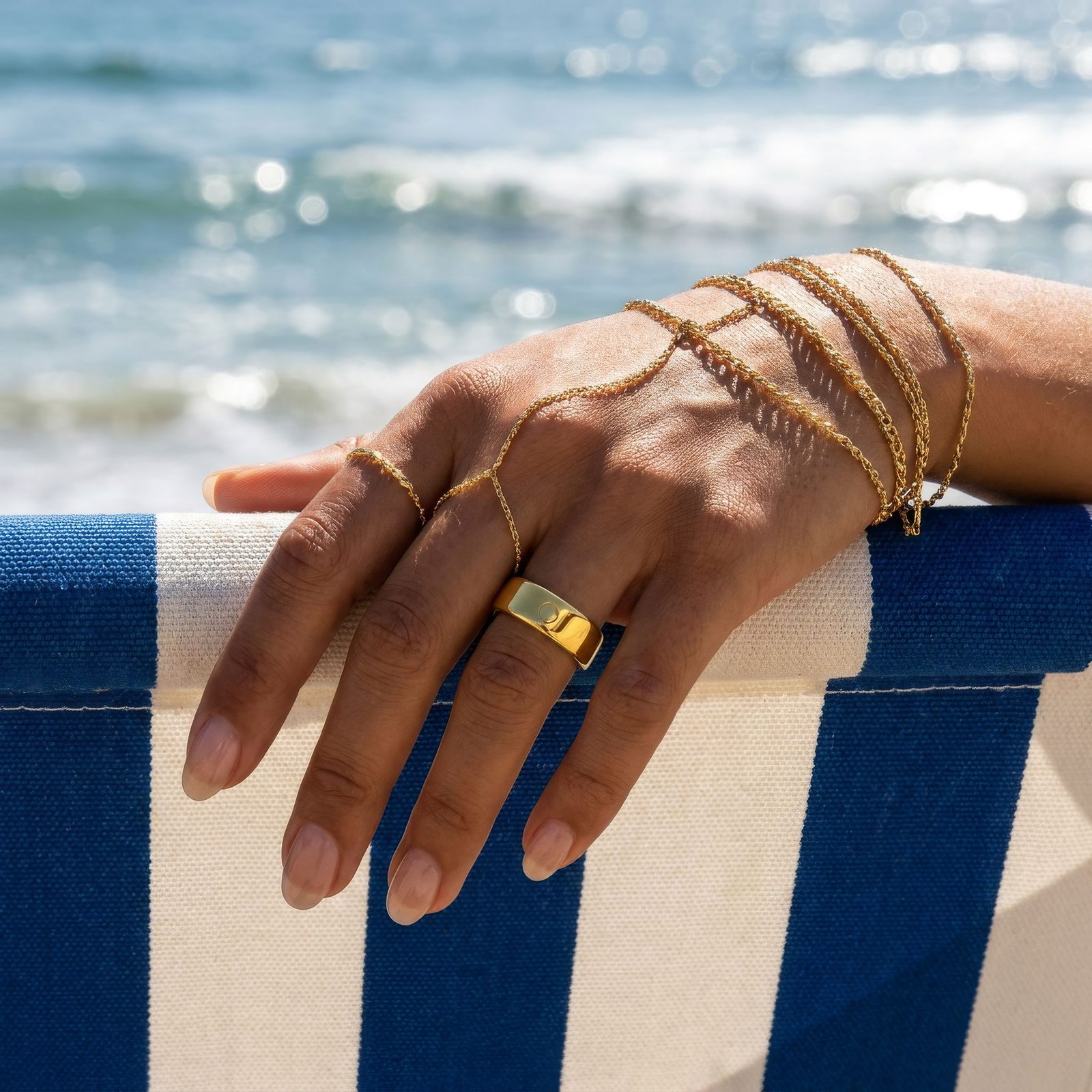
Smart rings are built for quiet, all-day wear. They usually have a simple jewelry-style design, and many models weigh around 5 grams or less, which makes them light enough that you might forget you’re even wearing one.
Smartwatch
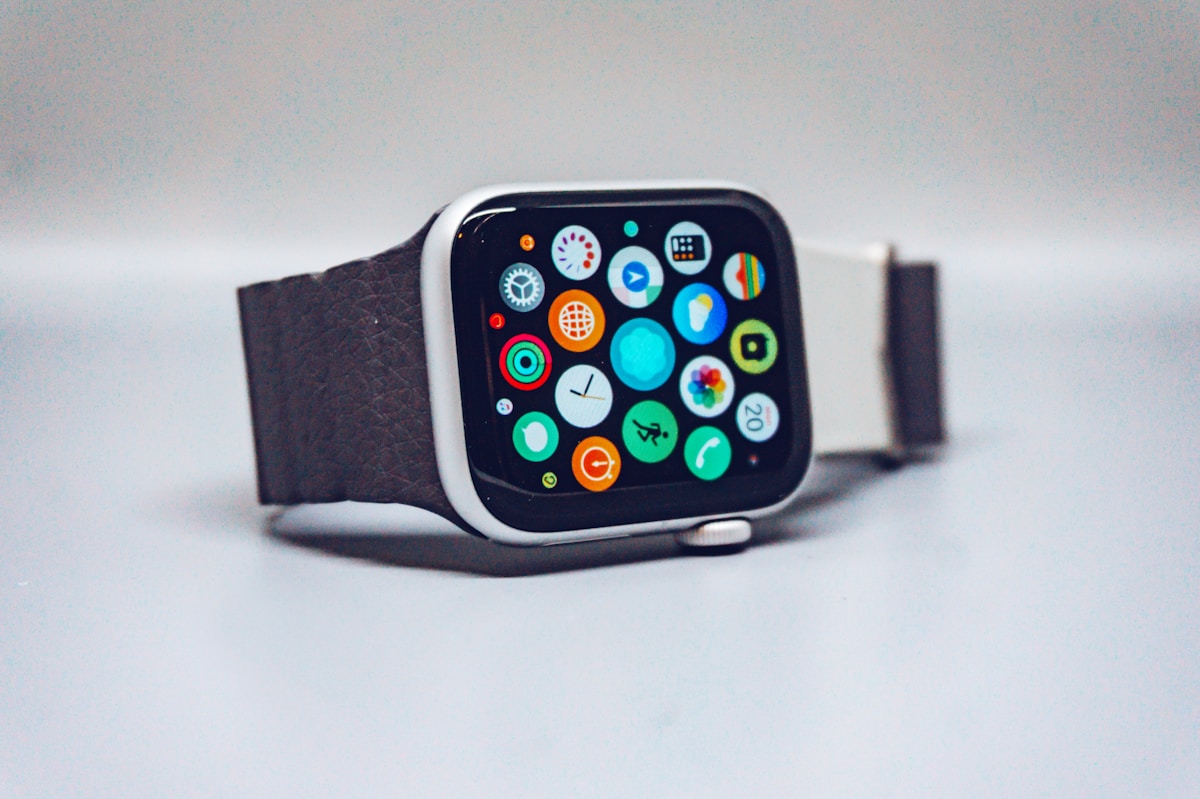
A smartwatch is a wearable that handles many of the quick tasks you normally do on your phone. Most models use a touchscreen display and run a full operating system, which is what allows them to install apps and manage everything from timers and music controls to messages and notifications.
Along with that software layer, many smartwatches carry a broad set of sensors. These include optical heart-rate readers, accelerometers, and gyroscopes, and some models add ECG, GPS, or other advanced tools to support fitness tracking and health monitoring.
Smart rings vs Smart Watches
Advantages and Disadvantages
Before we break these down, keep in mind that this is a general comparison of smart rings vs smart watches. Here we’re comparing what smart rings and smart watches usually offer as categories, not the one-off features you might find on specific models. Different brands may offer extra tools or unique upgrades, but the points below reflect the fundamentals you can expect from rings and watches as two separate categories.
| Advantages | Disadvantages | |
|---|---|---|
| Smart Ring |
|
|
| Smart Watch |
|
|
Smart Rings are ideal for people who want focused health tracking without the distraction of constant alerts. Rings stay unobtrusive, remain comfortable around the clock, and concentrate on core wellness metrics.
Smartwatches are the better choice for anyone who wants a phone-style tool on the wrist. You get apps, and a wide suite of productivity features. That said, the extra alerts, bulk, and shorter battery life can make it less practical as a dedicated health tracker.
Wearing Comfort
Comfort is the first thing most people notice when switching between a smartwatch and a smart ring. A ring sits on your finger with almost no weight, so it feels natural to keep it on through every part of the day, including sleep. That consistent fit also helps rings capture cleaner sleep and HRV readings. A watch can feel fine during the day, but plenty of users take it off at night because of the bulk, the strap tension, or the way it presses against the wrist when you roll over. Even during the day, a loose watch band can shift around, which introduces friction and movement that often leads to noisier sensor signals.
If you already dislike wristwear or forget to put your watch back on after charging, the ring immediately becomes the more realistic choice. A watch still makes sense if you prefer having a screen in front of you or if you’re already used to wearing one, but for genuine 24/7 wear, the ring is simply easier to live with.
Battery Life
Battery life exposes one of the clearest differences between these two categories. Most smartwatches run for about 18 to 48 hours, depending on the model and how heavily you use features like GPS or the always-on display. That short window forces you to choose between overnight charging and overnight sleep tracking. Some users get used to squeezing in quick charging breaks during the day, but it becomes another routine you have to manage.
Current smart ring averages fall in the 5–8 day window, depending on the model. That longer stretch makes it easier to get consistent sleep and recovery data without worrying about battery anxiety. This difference may look minor at first, but over months of daily use, the convenience gap grows wider. Rings win this category for anyone who wants a device that quietly runs in the background without constant maintenance.
Fitness Tracking
Fitness tracking is where watches take a decisive lead. Built-in GPS is the main reason. If you run outdoors, cycle, hike, or want reliable distance and pace metrics, a watch gives you precise routes and real-time information. The larger optical sensors on the wrist also produce more stable heart-rate readings during high-intensity movement.
A smart ring still logs steps, heart rate, and overall effort, although its readings can fluctuate once your arms start moving quickly. That limitation becomes more noticeable during structured workouts, because a ring cannot generate pace splits, distance, maps, or any kind of live feedback; it simply lacks integrated GPS, display, and processing needed for that level of guidance.
When your phone is nearby, certain smart rings can use their own companion apps to pull in the phone’s GPS data and attach distance or a route after the workout. The ring itself still isn’t doing this processing, and it still cannot guide the session in real time. This is why anyone who relies on outdoor running metrics or structured training tends to favor a smartwatch. A ring works better as a wellness recorder rather than an active training device.
Health Tracking
Health tracking is the one area where rings clearly do better. Because they stay snug on your finger and gather uninterrupted measurements, rings excel at sleep quality insights, HRV, resting heart rate stability, and temperature shifts.
Some advanced models, like the Circular Ring 2, even offer ECG readings. Together, these metrics show you how your body handles stress during the day and how well you actually bounce back at night.
Smartwatches also collect health metrics, and in some cases include extras like ECG or blood oxygen. But the wrist placement becomes a drawback at night or during long sessions when users take the watch off. The ring keeps collecting data without you noticing. If your main focus is long-term wellness, stress, or sleep, the ring gives you more consistent data. If you want active monitoring plus on-demand measurements (ECG, alerts, etc.), the watch covers more ground.
Smart Features
When it comes to non-health features, smart watches sit miles ahead of smart rings. A typical watch works like a small extension of your phone, so you can check notifications, read texts or emails, answer calls or even make them on cellular models, control your music, start timers or alarms, use maps, open apps, and even tap your wrist for NFC payments. Most watches also support voice assistants, GPS navigation, and streaming tools, which turns them into compact devices you can rely on during the day without constantly reaching for your phone.
A smart ring, on the other hand, takes the opposite approach. It has no screen, no speakers, and no real way to “interact” on the ring itself, aside from a vibration or tiny LED on certain models. Instead of acting like a second screen, it quietly collects your health data and sends everything to the companion app. And for many users, that simplicity is the entire appeal, since it cuts out the buzzing, the temptation to check every alert, and the general noise that comes with wearing a watch. The ring just records your metrics and stays out of your way.
Smart Ring vs Smart Watch: Which One Fits Your Lifestyle Better
A smart ring suits people who want something quiet, simple, and wellness-focused. If you care about daily readiness, sleep quality, body temperature trends, and stress patterns, a ring fits these needs perfectly. You put it on, forget about it, and check your app when you feel like it.
A smartwatch is the better fit for anyone who wants quick access to a screen and the simple convenience of checking the time at a glance. If you like reading messages, answering calls, tracking long outdoor runs with GPS, or using timers and apps throughout the day, a watch supports that routine far better than a ring.
Think of it as two distinct lifestyles:
- The low-distraction health-focused lifestyle → smart ring
- The connected, productivity-oriented lifestyle → smart watch
Many users even combine the two. They track workouts with a watch and recovery with a ring. But if you want only one device, you need to pinpoint your daily habits.
| Smartwatch Use Cases | Smart Ring Use Cases |
|---|---|
|
1. Serious Fitness Training
If you run outdoors, cycle long distances, or lift weights with structured plans, a watch will serve you better.
GPS tells you your pace, distance, and route. Many watches provide detailed graphs, zone alerts, and training
recommendations that help you tweak your performance.
|
1. Sleep Tracking
Smart rings tend to outperform watches here because rings stay firmly in place and don't disturb your wrist.
You get cleaner readings of nightly heart rate, HRV, skin temperature shifts, and sleep stages.
|
|
2. Productivity on the Go
A watch helps you catch messages without pulling out your phone. Quick replies, calendar reminders, timers for
cooking, alarms for meetings, and navigation instructions make the watch a mobile extension of your phone.
|
2. Stress and Recovery
Rings capture subtle shifts in your body's baseline. These small signals can draw a picture of your energy,
fatigue, and overall recovery. It feels more natural to wear a ring constantly, which leads to better long-term
trend data.
|
|
3. Real-Time Stats
A watch shows your heart rate while exercising. It also shows cadence, pace, and splits. This is crucial for
people who need immediate feedback.
|
3. Minimalist Lifestyle
Some people want fewer screens. A ring goes unnoticed and still gives you valuable health data without more
digital noise.
|
|
4. Everyday Convenience
A smartwatch gives you a full screen on your wrist, which means you can read messages, check notifications,
browse apps, and use productivity tools without reaching for your phone. Anything that relies on quick exchanges
or on-screen prompts is far easier on a watch.
|
4. All-Day Comfort
Typing, sleeping, showering, walking, and working all feel the same with a ring on. Watches can feel heavy or
annoying during certain tasks, especially at night.
|
Why More Users Are Switching to Smart Rings from Smart Watches
The growing shift toward smart rings has a simple explanation. More people want reliable health data without the constant stream of interruptions that comes with wearing a screen on the wrist. As a result, the market is steadily moving toward lighter devices that work quietly in the background while still delivering accurate wellness trends.
Here are a handful of everyday frustrations are quietly propelling this shift:
- People are tired of babysitting their smartwatch battery: Charging every night or juggling charge breaks means the watch is always dead when you want to track sleep or a workout. Rings last a week, so people simply stop thinking about battery management altogether.
- Users are worn down by constant alerts.: Many users are tired of their wrists buzzing all day. A ring solves that problem by gathering data without demanding your attention.
- People want sleep data without the discomfort: Plenty of users try sleeping with a smartwatch once and never do it again because of the size, heat, or strap pressure. Rings disappear on your finger after a few nights, which leads to better long-term sleep data.
- Many users don’t need all the apps — they just want the health data: After the novelty wears off, most people use 5 percent of what their watch can do. Rings skip the clutter and focus on the metrics people check most: sleep, recovery, heart rate, HRV, and readiness.
- Rings feel more consistent for long-term health trends: Because rings stay on 24/7 and don’t rotate around your wrist, they produce more stable baselines for HRV, sleep, temperature, and recovery — which is what people care about when tracking health seriously.
- Form Factor Fatigue: Some users simply do not want to wear a screen on their wrist 24/7. Rings feel like regular jewelry while still doing something useful in the background.
Why Circular Stands Out in the Smart Ring Category
%20copy%20(1).jpg)
Product Link: Circular Ring 2
The smart ring space has grown rapidly in recent years, but very few rings have reached the level of depth and wellness-centric features the Circular Ring 2 brings to the table. Circular was built as a health-first system with advanced wellness features, and an AI engine that reacts before problems show up.
With its 13+ health-tracking features, the ring handles a surprising amount of work in the background, giving you steady health insights while it sits on your finger.
Here are the features that set Circular apart from other rings.
- Accurate Wellness Insights:Circular can run a 30-second ECG that detects AFib, heart trouble, tachycardia, and bradycardia
- Women’s Health Metrics: It also covers menstrual cycle tracking, fertile windows, and temperature-based ovulation prediction.
- GPS-Supported Activity Mapping: When paired with your phone, the companion app uses GPS to map outdoor walks and runs, something most smart rings simply cannot do.
- Stress Tools: Circular also tracks daily stress patterns and recommends breathing exercises when your vitals start drifting.
- Kira AI With 140+ Biomarkers: Kira, Circular’s AI assistant, studies more than 140 biometric markers and gives practical, well-timed suggestions—like when to drink caffeine, how to adjust your wind-down routine, or when your body is starting to show early signs of fatigue or illness.
Final Thoughts
Smart rings and smart watches are not direct replacements for each other. They serve different needs. A smart ring feels like a quiet health companion that runs in the background and records the essential signals you need to understand your body. A smart watch feels like a digital assistant that sits on your wrist and helps with communication, navigation, workouts, and productivity.
If you want a screen, a watch fits your workflow.
If you want deep wellness tracking and comfort, a ring fits your life.
The simple way to decide is to think about how much interaction you want with your device and how comfortable you feel wearing it all day and all night.
FAQ
Are smart rings as accurate as smart watches?
For sleep, heart rate, and HRV, yes. For workouts with fast movement, smart watches usually perform better because of larger sensors and stronger contact points.
Are smart rings just hype or are they actually great products?
They’re genuinely useful. Smart rings give accurate sleep, HRV, temperature, and recovery data without the bulk or distractions of a smartwatch.
Smartring, smartband or smartwatch?
Smart rings are best for sleep, HRV, stress, temperature trends, and all-day comfort. Smart bands are great for basic fitness and step tracking with a small screen. And smartwatches have full features like calls, notifications, GPS workouts, payments, and apps.
Which device is better for sleep tracking?
Smart rings. Their comfort and snug fit allow more consistent readings throughout the night.
What made you get a smart ring over a smart watch?
Most people choose a ring because it’s easier to wear nonstop. It doesn’t buzz, doesn’t get in the way during sleep, and gives steadier health data since you never take it off.
Are smart rings waterproof?
Most rings handle everyday water exposure, but always check the official rating.
How long do smart rings last on a charge?
Usually four to seven days depending on usage.
Can smart watches be worn overnight?
Yes, although many people find them uncomfortable for sleeping.
Which Health Tracker Fits Your Life?
Smart ring or chest strap: the right answer depends on your priorities.
- You want to track your health 24/7 without thinking about it? The 2g Circular Ring 2 is worn day and night, including for sleep. A chest strap cannot do that.
- You want to detect heart anomalies like AFib? The Circular Ring 2 is the only smart ring with an FDA-cleared ECG algorithm for atrial fibrillation detection.
- You refuse to pay monthly subscriptions? Circular Ring 2 includes 13+ premium health features, no subscription. Pay once, use for life.
Take the Quiz: See Where You Stand