%201-1.avif)
Circular Ring 2 Release Notes (Sep 2025): Dedicated Sync Architecture, Faster Data Transfer & Sleep Tracking Improvements
When Ring 2 launched, we crossed a threshold we had been building toward for years. Tens of thousands of people chose to make our ring part of their daily health routine. That kind of trust doesn't just change your revenue figures. It changes your responsibilities.
This article is about how we rose to meet them.
Built for a Different Scale
Ring 1 introduced capabilities that had never existed in a smart ring before: changeable outershells, vibration feedback, SpO2 tracking, VO2 max. For what it was, it worked well. The infrastructure was solid. Data moved cleanly. A small, dedicated support team could reach nearly every customer personally.
Ring 2 is a fundamentally different product. ECG monitoring, advanced sleep stage analysis, real-time stress tracking, and women's health predictions all generate exponentially more data than Ring 1 ever did. The ring captures over 13 features and 140 metrics, continuously. More sensors. More users. More data moving across more time zones simultaneously.
Scaling a health monitoring system to match that reality required us to make decisions we're proud of, even when they were the harder ones to make.
A New Infrastructure
Our engineering team made a deliberate choice early on: no patches, no workarounds. If we were going to do this, we were going to do it right.
We rebuilt the entire backend infrastructure from the ground up.
The new architecture gives every user a dedicated calculation instance. Rather than thousands of users competing for shared resources on a common system, each person now has their own lane. One user's sync never slows another's. Data transfers faster and more reliably. And the system is designed to scale to millions of users without compromising the precision that health tracking demands.
We've reinforced existing servers and implemented multiple layers of upgrades to keep the core experience free and functional for everyone. Regular firmware updates are shipping continuously, with improvements focused on sleep tracking reliability and sport session accuracy. A new firmware update is already live that sharpens the precision of sleep stage monitoring specifically.
For users, the practical guidance is simple: syncing once daily, during off-peak hours rather than immediately after waking, takes full advantage of the new infrastructure. The ring safely stores more than 24 hours of data, so there's no urgency. You're not losing anything by waiting.
Support That We Enabled
At crowdfunding scale, our team of five to seven specialists could respond personally to nearly every message. Today, we handle approximately 350 conversations per day.
The answer to that volume was not automation. Every message is reviewed manually, worked through in order from oldest to newest. We prioritize personal, accurate responses over fast ones. That approach takes longer, and we own that, but it reflects something central to how we think about this relationship.
Our customers are not ticket numbers. They are people who handed us their cardiovascular data, their sleep patterns, their reproductive health information. That deserves a real answer from a real person.
What Ring 2 Actually Does
Understanding the infrastructure investment makes more sense when you see what it's supporting.
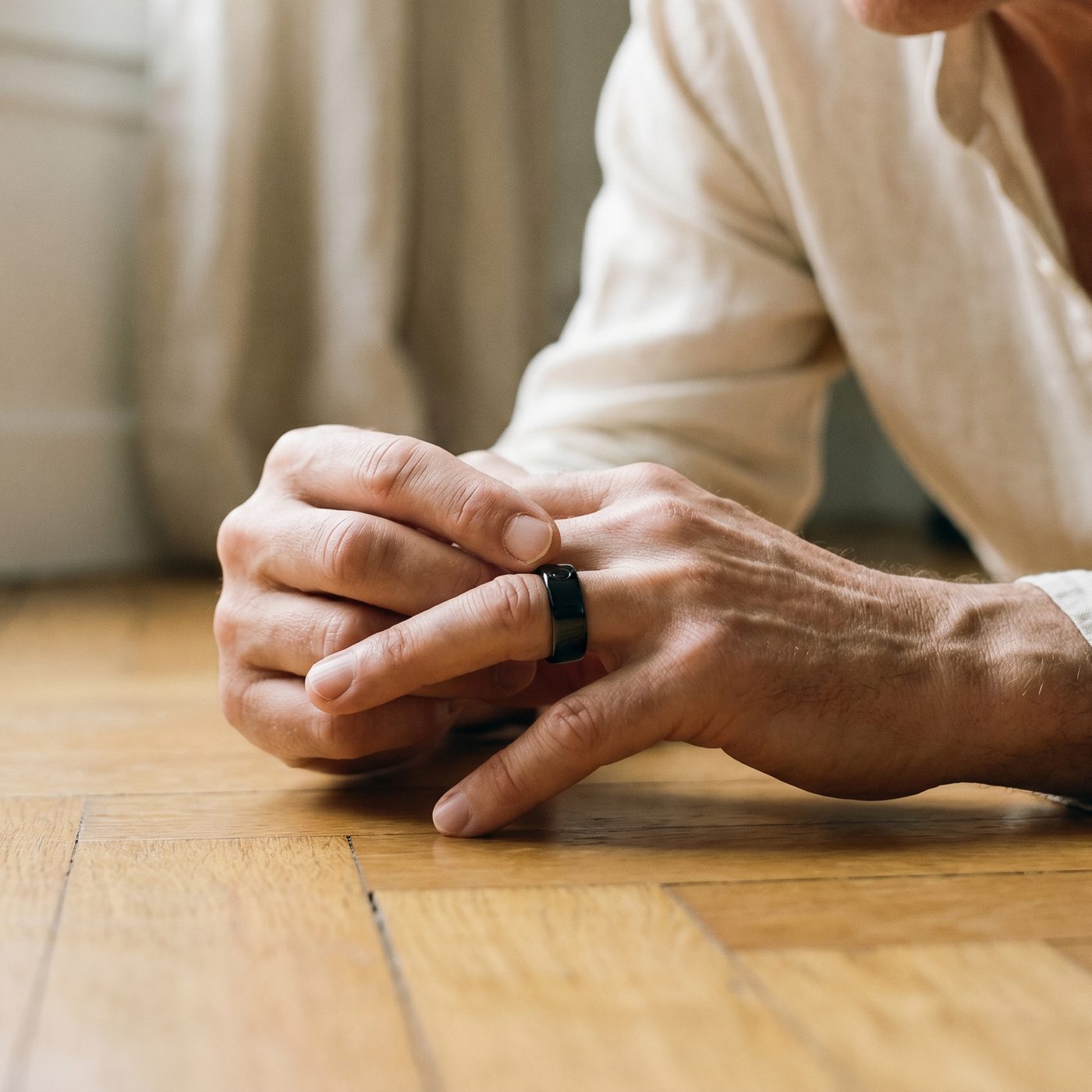
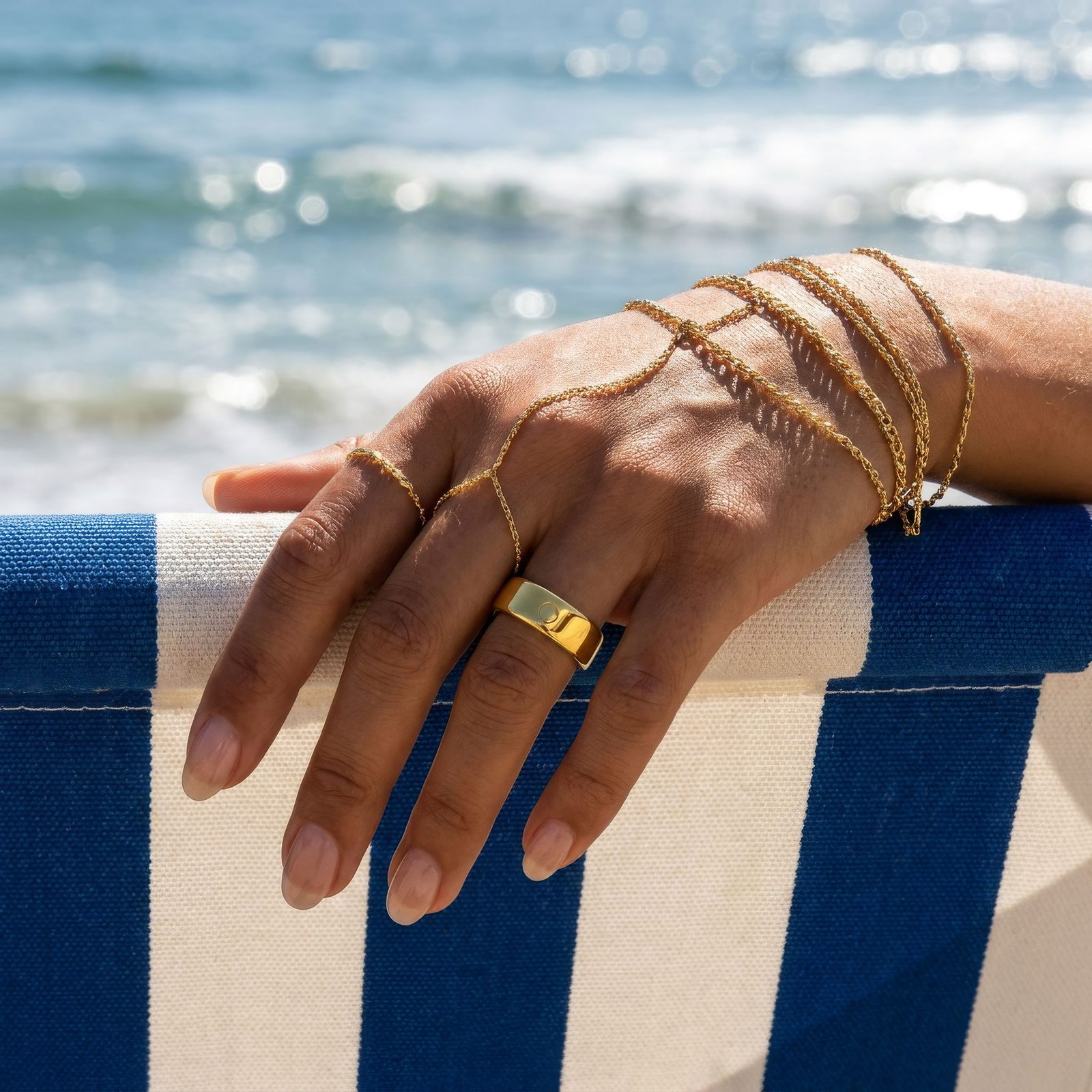
Ring 2 was never designed to be a fitness tracker. It's a complete health monitoring system that happens to sit on your finger. At 2.55mm thick, 7.8mm wide, and just 3 grams, it's also one of the most precisely engineered pieces of wearable hardware available.
We were the first in the ring category to integrate a functional ECG and AFib detection system. Atrial fibrillation is a type of arrhythmia defined by irregular and often rapid heart rate. Left undetected, it can damage the heart, brain, and other organs, with serious stroke and heart failure risk. Early detection is the difference between a manageable condition and a medical crisis, and Ring 2 monitors for warning signs around the clock.
Sleep tracking goes beyond recording how many hours you logged. The ring follows your full progression through light sleep, deep sleep, and REM stages, tracking cycle lengths, sleep onset time, and the relationship between your daily habits and your recovery. The goal isn't measurement for its own sake. It's recommendation: a sleep schedule tuned to your physiology so you wake up actually rested. Paired with ECG and AFib data, sleep insights feed directly into the Kira AI system, creating a picture that keeps getting sharper over time.
The Intelligence Layer
Kira AI is what turns raw biometric data into something you can actually act on. It reads your vitals and translates them into plain language, connecting the numbers to your day and offering simple, specific steps that make sense for your situation. Over time, it learns the relationship between your habits and your health, so the advice becomes increasingly personal.
The Energy Score takes that further, giving you a single daily readout of your accumulated vitality. It weighs immune system function, stress levels, sleep quality, and activity recovery together. A high score means your body is ready for intensity. A low score is a clear signal to ease off, an early warning against overtraining before your body forces the issue.
Vital Alerts run continuously in the background, monitoring heart rate, temperature, blood oxygen, and other key metrics. When something looks off, you get a gentle notification before you feel it. Instead of reacting to symptoms, you're ahead of them.
The Design
The titanium body has a hypoallergenic interior with a durable PVD coating. Fully waterproof for the shower, pool, or rain. Battery life reaches eight days in Power Mode or five days in Performance Mode, with wireless charging that completes in 30 minutes. The charging case protects, powers, and extends durability without needing a wall outlet.
There are no lights, no buzzes, no alerts demanding your attention. Just a ring that fits into daily life while doing its work quietly.
What's Coming
The infrastructure rebuild is the foundation, not the finish line.
Blood pressure and glucose tracking are in active development, features that seem almost impossible at this size but are closer than most people expect. The app team has been shipping regular updates covering bug fixes, step counting improvements, and overall stability. Our design team is building a new interface for 2026, a more elegant and fluid experience that will begin appearing in upcoming app versions.
The Bigger Picture
The scale we reached with Ring 2 created real engineering complexity. Building dedicated calculation instances for every user costs more than shared infrastructure. Personally answering support tickets takes more time than automation. Holding shipments to meet quality standards costs sales.
We made every one of those calls intentionally, because health tracking is not a category where shortcuts are acceptable.
When someone trusts you with their cardiovascular data, their sleep patterns, their reproductive health information, you build the system that deserves that trust. That's what the 15,000 people who backed Ring 2 made possible. They didn't just buy a ring. They helped build an infrastructure that can scale to millions while maintaining the accuracy that medical-grade health monitoring requires.
The servers are stronger. The queue is shorter. The features are sharper. And the foundation underneath all of it is the most reliable it's ever been.
Which Health Tracker Fits Your Life?
Smart ring or chest strap: the right answer depends on your priorities.
- You want to track your health 24/7 without thinking about it? The 2g Circular Ring 2 is worn day and night, including for sleep. A chest strap cannot do that.
- You want to detect heart anomalies like AFib? The Circular Ring 2 is the only smart ring with an FDA-cleared ECG algorithm for atrial fibrillation detection.
- You refuse to pay monthly subscriptions? Circular Ring 2 includes 13+ premium health features, no subscription. Pay once, use for life.
Take the Quiz: See Where You Stand