%201-1.avif)
Hot Flashes During Period: Are they Normal and How to Manage Them?
Hot flashes during your period can feel oddly out of place. One moment you are fine, and the next you are hit with a wave of heat that leaves you peeling off layers. Because hot flashes are usually linked to menopause, many women do not think of them as a period symptom and end up feeling like they are the only one dealing with it. In reality, women of all ages report them around their cycle, which makes hormone timing a more likely cause than age.
Most of the time these flashes are harmless. They are simply part of how the body reacts when hormone levels swing in one direction and then in another. The confusing part is that the same feeling can show up with PCOS, thyroid shifts, or even the very early edges of perimenopause.
Here, we’ll go over the common causes of hot flashes and a few preventive measures you can take to manage them. But before that, it helps to get clear on what these hot flashes actually are.
What are Hot Flashes During Menstrual Period?
Hot flashes during your period feel very similar to menopausal ones, just tied to a different hormonal setup. The heat usually starts in the upper body and moves through the face and chest in a quick wave. Many women describe a sudden rise in warmth that lasts anywhere from a few seconds to a couple of minutes. Your face can get warm, your chest may feel tight, and you might sweat lightly even when the room is comfortable. Some women also notice a faster heartbeat or a brief mix of heat and chills that shows up without much warning.
A lot of this comes from vasodilation, which is simply the body sending more blood toward the surface of the skin. When estrogen or progesterone shift sharply, your temperature-regulation system reacts, sometimes more strongly than you expect, and that rush of warm blood is what gives you the flushed feeling.
These flashes can show up at different points in the cycle, and that part varies more than people think. Some women feel them a day or two before the period, when progesterone drops. Others get them during heavier flow days, when hormone levels move again. Some notice them around ovulation, when estrogen climbs. The sensation is mostly the same, but the timing depends on how your cycle behaves and how sensitive you are to the changes.
What Causes Hot Flashes During Period?
Hot flashes during your cycle usually come down to how sensitive your body is to hormone swings. Your temperature system reacts fast to changes in estrogen, and when that balance shifts, things feel off. Here are the main reasons this happens.
Hormonal Fluctuations and PMS
Hot flashes tied to PMS often show up in the days after ovulation, especially in women who are sensitive to hormonal shifts. One day you feel normal, and the next you notice sudden warmth with no clear external cause. This usually starts when estrogen peaks around ovulation and then drops shortly afterward.
By responding to that estrogen drop, the hypothalamus, which acts as the body’s thermostat, adjusts how warm the body thinks it should be. At the same time, progesterone begins to rise and nudges baseline body temperature slightly higher.
For some women, these two changes do not line up cleanly, and the brain briefly treats normal body heat as excessive. So the body reacts by widening blood vessels near the skin and pushing heat outward, which is when a hot flash hits.
Perimenopause in Your 40s
If you’re in your late 30s to early 50s, these flashes may point toward early perimenopause. Hormones shift more unpredictably in this stage. Periods get irregular. Hot flashes show up even when you’re still bleeding each month. A lot of women notice these heat surges one or two years before their cycle fully changes. The timing lines up with estrogen swings that are sharper than usual.
PMDD in Younger Women
For some younger women, especially those dealing with PMDD, the symptoms land harder. PMDD isn’t only about mood changes getting stronger. It also makes the body more reactive to normal hormonal shifts. As the luteal phase comes in and estrogen and progesterone move up and down, the whole system feels those changes more sharply.
And that’s usually when the PMS symptoms like irritability or trouble sleeping start piling on—all of it feeling a little stronger than it normally would. Hot flashes and night sweats can show up too, and they follow the same pattern of the body responding more intensely than it needs to. The main idea is sensitivity. The hormone levels themselves can look completely normal, but the body reacts to them in a bigger way. That’s what separates PMDD from standard PMS, and it explains why the symptoms often feel outsized for what’s happening on paper.
PCOS and Hormone Imbalances
PCOS often throws off the timing of the menstrual cycle, and when the timing is off, the hormones move differently through the month. In plenty of cases, women with PCOS don’t ovulate regularly, so progesterone stays low while estrogen sticks around longer than it should. It’s also worth noting that PCOS isn’t known for hot flashes as a main symptom, but the irregular hormone pattern can, in some cases, create enough fluctuation for hot flashes to show up.
And that’s usually why some women in their twenties or thirties mention flashes that feel a bit like perimenopause. It comes back to how sharply estrogen and progesterone rise and fall, not PCOS itself.
On top of that, some fertility medications used in PCOS treatment can cause hot flashes on their own. Some fertility drugs used for PCOS list hot flashes as a direct side effect, and you tend to feel those in step with the dosing schedule. So if the timing matches a new medication or dose change, that’s often the simplest explanation.
Primary Ovarian Insufficiency (POI)
In rare situations, hot flashes during your period flag something more serious like POI. The ovaries slow down before age forty. Estrogen drops. Periods become inconsistent. The body starts acting as if it is heading toward menopause much earlier than expected. Only a small percentage of women experience this, but it is worth mentioning because the symptoms mirror classic menopausal hot flashes.
Other Medical Causes
Not every heat surge during your cycle actually comes from your cycle. Some people get the same sensation from thyroid issues, anxiety spikes, or medication side effects. A thyroid that works too fast can make you feel warm all day. Stress can also produce a flush that looks identical to a hot flash. So if the timing doesn’t line up with your cycle or the symptoms feel constant, it is something to look into.
Here is How You Can Manage Hot Flashes During Period
Stay Cool on Purpose
Keep your temperature in check before the heat even starts. Light layers help because you can pull one off fast. Cotton sheets, cooler showers, and a small fan by your bed or work desk make a bigger difference than you think. Some women also keep a cold washcloth in the fridge and press it on the neck when the heat rises. These simple things cut down the intensity of the flash instead of letting it run wild.
Watch Your Triggers
A lot of people notice stronger flashes after coffee, wine, or spicy food. These open up blood vessels and make you heat up faster. Try cutting these out in the week before your period and see what happens. Also keep an eye on external heat. Long hot showers or warm rooms can bring on a flash earlier than expected.
Track Your Cycle and Spot Early Signals
Hot flashes during your period tend to land at the same points in your cycle, and for many women, the body gives a few early signs before they hit. These often include a small rise in skin temperature, lighter or more broken sleep, a dip in recovery or HRV, or higher stress signals. When you look at these signals side by side instead of in isolation, the pattern becomes easier to spot and the flashes feel less random.
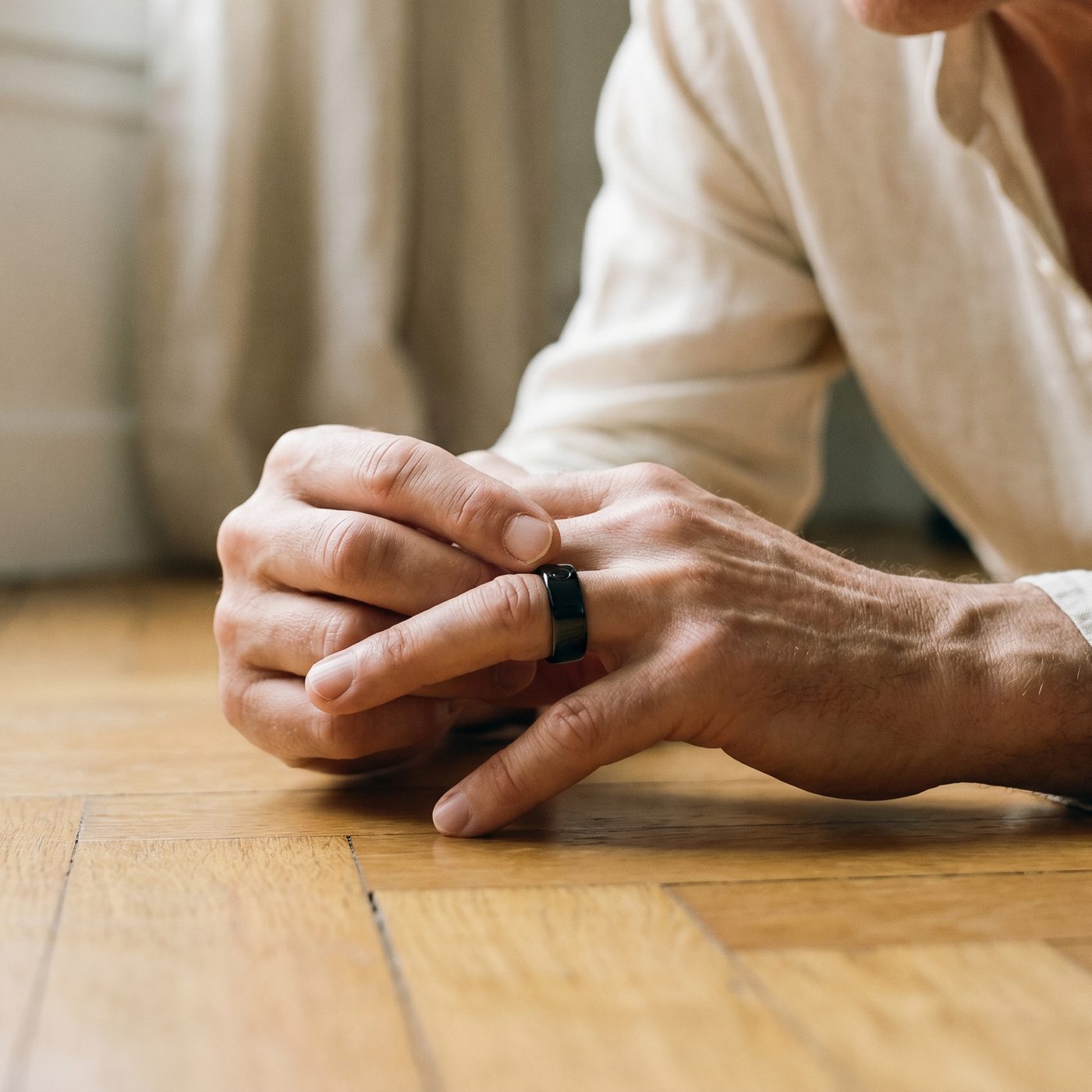
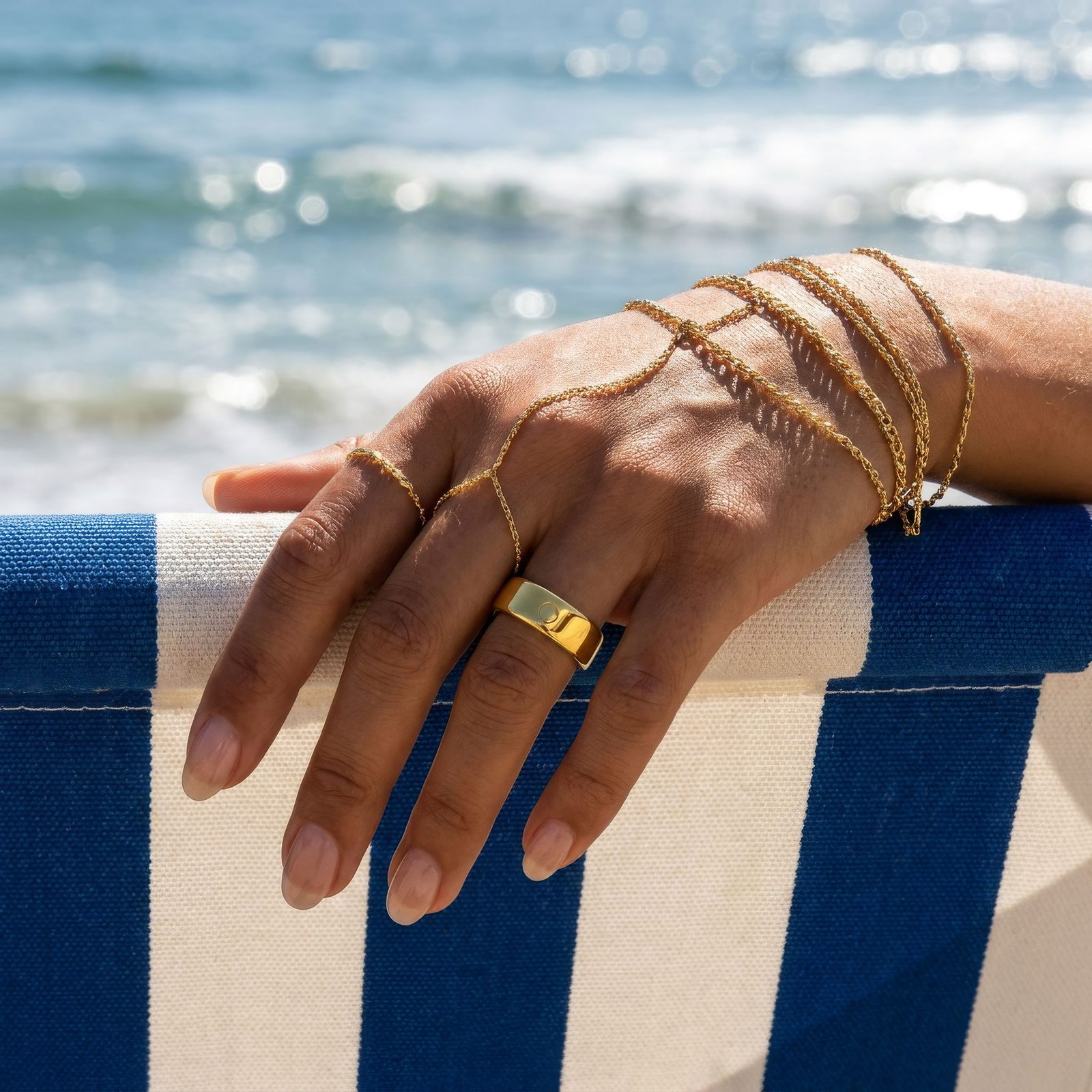
You can try to track these changes on your own, but staying consistent is tough. That’s why many women rely on passive tracking with wearables like smart rings, which collect vital metrics without having to think about it all day. On top of that, health-centric rings like Circular Ring 2 track these same signs and use AI coaching to turn the data into practical recommendations over time.
When you track these signals together, you’ll get a more thorough understanding of when heat surges are likely to show up during your cycle. That context makes hot flashes easier to anticipate and manage, instead of feeling like they come out of nowhere.
Calm Your Nervous System
Stress can push your body into that wired state where hot flashes hit harder. Deep breathing exercises like box breathing help by slowing your heart rate and pulling your body out of that fight-or-flight mode. Short routines like gentle stretching, a quick yoga flow, or even five minutes of sitting quietly can lower your baseline tension. The goal here is not perfection. It is simply keeping your system steadier so it reacts less dramatically.
Adjust Your Daily Habits
It’s also important to tweak a couple of things in your daily routine to manage hot flashes.
- First off, staying hydrated keeps your body cooler and replaces what you lose through sweating.
- Equally important is moving regularly as it helps your temperature system stay more stable.
- If you smoke, try limiting it for the day, since smoking affects circulation and estrogen levels and can make hot flashes worse.
Get Checked If the Flashes Don’t Fade
If these flashes hit hard or show up every cycle with no real relief, it’s worth talking to a doctor because these flashes are sometimes driven by hormone dips that can be addressed with treatment.
Having said that, hormone swings are not the only possible cause. In the background, thyroid issues, PCOS, or POI can produce similar symptoms and often do not show up without proper testing. Because of that, treatment only works when the underlying issue is correctly identified.
For this reason, trying to self-diagnose or take medications or supplements on your own after googling might not be the best idea. A doctor can help determine what’s actually driving the flashes and decide whether hormonal or non-hormonal options make sense.
Final Thoughts
Hot flashes during your period can feel strange, but they often connect to normal hormonal shifts that show up at different points in the cycle. Once you pay attention to the timing, the pattern becomes easier to understand. Simple habits like staying cool, avoiding known triggers, and keeping tabs on your symptoms can make these episodes more manageable. It also helps to look at your overall health since conditions like PCOS or thyroid issues can shape how strongly your body reacts. And if the flashes start feeling too intense or out of character, talking to a doctor is the right next step.
FAQs
Are hot flashes during your period normal?
They can be, yes. For some people it’s a normal part of hormonal cycles. Many individuals never get hot flashes until menopause, but others might experience occasional hot flashes as a PMS symptom or during their period. If they’re infrequent and mild, and especially if you’re in your late 30s or 40s, it could just be your body’s reaction to hormone shifts.
How can I track or manage these period hot flashes more effectively?
Consider using a smart ring that records physiological data. For example, the Circular Ring 2 is designed for continuous health monitoring and offers specific features for women’s wellness. It can track your heart rate, skin temperature, and even variations in your sleep and activity that correlate with your menstrual cycle.
Can you experience hot flashes in your 20s or as a teen while on your period?
It’s not super common, but yes, it’s possible. Teens and women in their 20s are generally far from menopause, so if they get hot flashes around their period, it’s likely due to other factors. Hormonal fluctuations in a normal cycle can occasionally cause hot flashes even in younger people who are sensitive to those changes. Stress or anxiety can also bring on similar heat symptoms at any age.
Do hot flashes during your period mean you’re starting menopause?
Not necessarily. While hot flashes are famously a symptom of menopause, getting them during your period doesn’t automatically mean you’re entering menopause proper. It depends on your age and other signs. If you’re in your mid-40s or 50s and you notice hot flashes along with changes in your menstrual cycle, then yes – it could indicate that perimenopause has begun.
Can PCOS cause hot flashes during periods?
Not in the classic menopausal way, but the hormone irregularity that comes with PCOS can create heat surges that feel similar.
Which Health Tracker Fits Your Life?
Smart ring or chest strap: the right answer depends on your priorities.
- You want to track your health 24/7 without thinking about it? The 2g Circular Ring 2 is worn day and night, including for sleep. A chest strap cannot do that.
- You want to detect heart anomalies like AFib? The Circular Ring 2 is the only smart ring with an FDA-cleared ECG algorithm for atrial fibrillation detection.
- You refuse to pay monthly subscriptions? Circular Ring 2 includes 13+ premium health features, no subscription. Pay once, use for life.
Take the Quiz: See Where You Stand