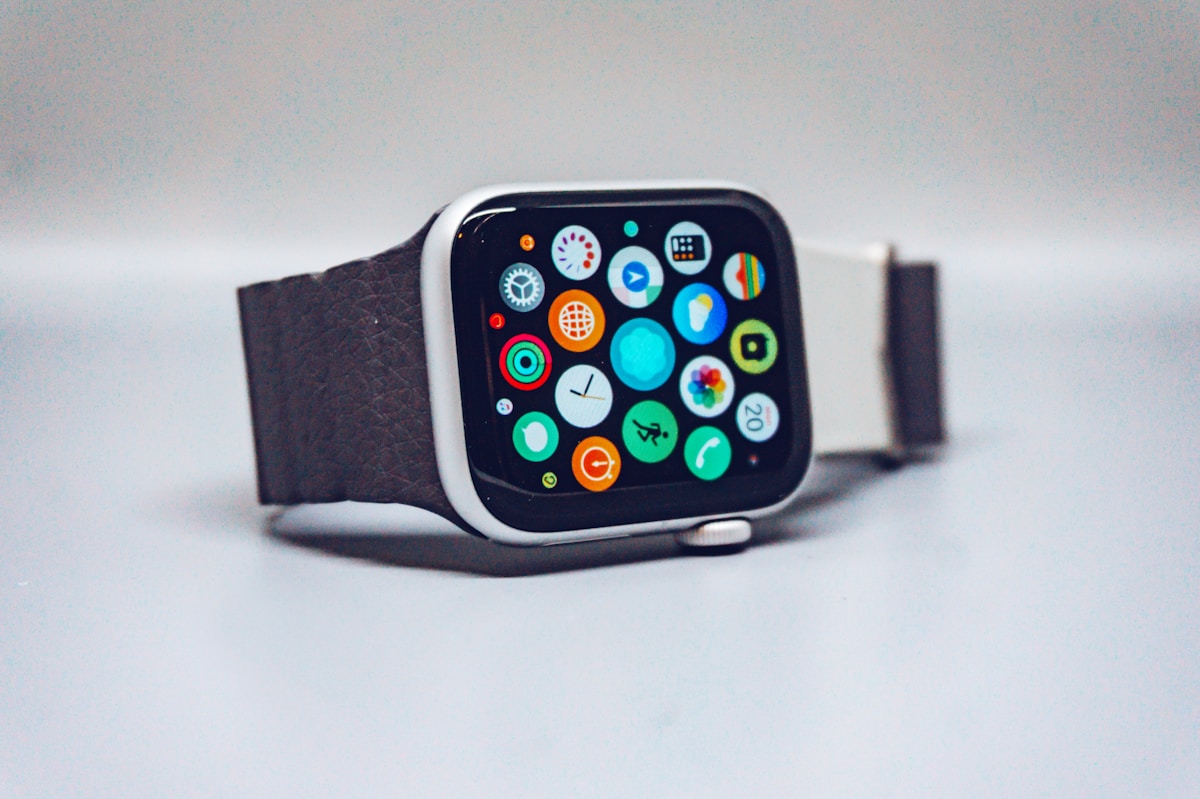
%201-1.avif)
6 Best Ways to Track Your Menstrual Cycle (With Pros and Cons)
Most people only think about their cycle when their period starts. But if you’ve ever noticed a random mood swing or unexplained fatigue, your menstrual cycle was likely the culprit, given that it orchestrates a monthly hormonal symphony that influences your mood, energy, stress levels, and sleep quality.
Tracking your cycle isn’t just about predicting the next time Aunt Flo comes to town. It’s all about decoding the subtle signals your body sends all month long since the menstrual cycle is a “vital sign” of health. And changes in your cycle can signal warning signs of underlying issues.
Now, how can you track your menstrual cycle? This guide walks you through the different ways to do it, laying out each method with its pros and cons. By the end of the article, you’ll have the practical understanding needed to manage mood shifts, spot potential health red flags, and clearly know when your cycle starts and ends.
What Does “Tracking Menstrual Cycle” Actually Entail?
It’s more than just jotting down “Period started today” on the calendar, though that’s a solid place to begin. At minimum, you track when bleeding starts and stops. From there, many women also log recurring symptoms and physical changes, like cramps, sleep shifts, skin flare-ups, headaches, appetite changes, or mood swings.
What tracking your menstrual cycle actually entails depends on the method you choose. Some approaches require you to log details daily and calculate patterns yourself. Others rely on temperature readings, hormone tests, or wearable data to detect ovulation and predict future phases. Each method gathers different types of information, and that directly affects how accurate and useful your predictions will be.
Before we get into the specifics, take a look at the comparison table below to get a general overview of the six most common tracking methods.
| Method/Tools | Main Pros | Main Cons |
|---|---|---|
| The Calendar Method |
✅ Very easy to start. You only need to note the first day of your period. ✅ Good for spotting basic timing patterns after a few months. |
❌ Does not account for ovulation or hormone shifts at all. ❌ Predictions fall apart if your cycle changes due to stress, illness, or travel. |
| Menstrual Journal |
✅ Lets you track symptoms like cramps, mood. ✅ Helps you notice personal patterns that apps often miss. |
❌ Requires daily consistency or the data quickly becomes incomplete. ❌ Takes time and mental effort, especially during busy weeks. |
| Circular Ring 2 (Smart Ring) |
✅ Tracks cycle signals highly accurately without manual logging. ✅ 13+ health metrics. ✅ Predicts ovulation. |
❌ Higher upfront cost than apps or notebooks. ❌ Requires wearing the ring consistently, including at night. |
| Period Tracking Apps |
✅ User-friendly. ✅ Reminders and basic cycle prediction. |
❌ Accuracy depends heavily on regular manual input. ❌ Privacy varies by app. |
| Charting Basal Body Temperature (BBT) |
✅ Confirms ovulation after it happens. ✅ Helpful for women trying to conceive. |
❌ Requires taking your temperature at the same time every morning. ❌ Doesn't predict ovulation. |
| Ovulation Predictor Kits (OPKs) |
✅ Gives a clear signal when ovulation is approaching. ✅ Useful for timing intercourse during fertile days. |
❌ Ongoing cost. ❌ Can give confusing results for people with irregular cycles or PCOS. |
How to Track Menstrual Cycle: 6 Methods Compared
1. Try the Calendar Method
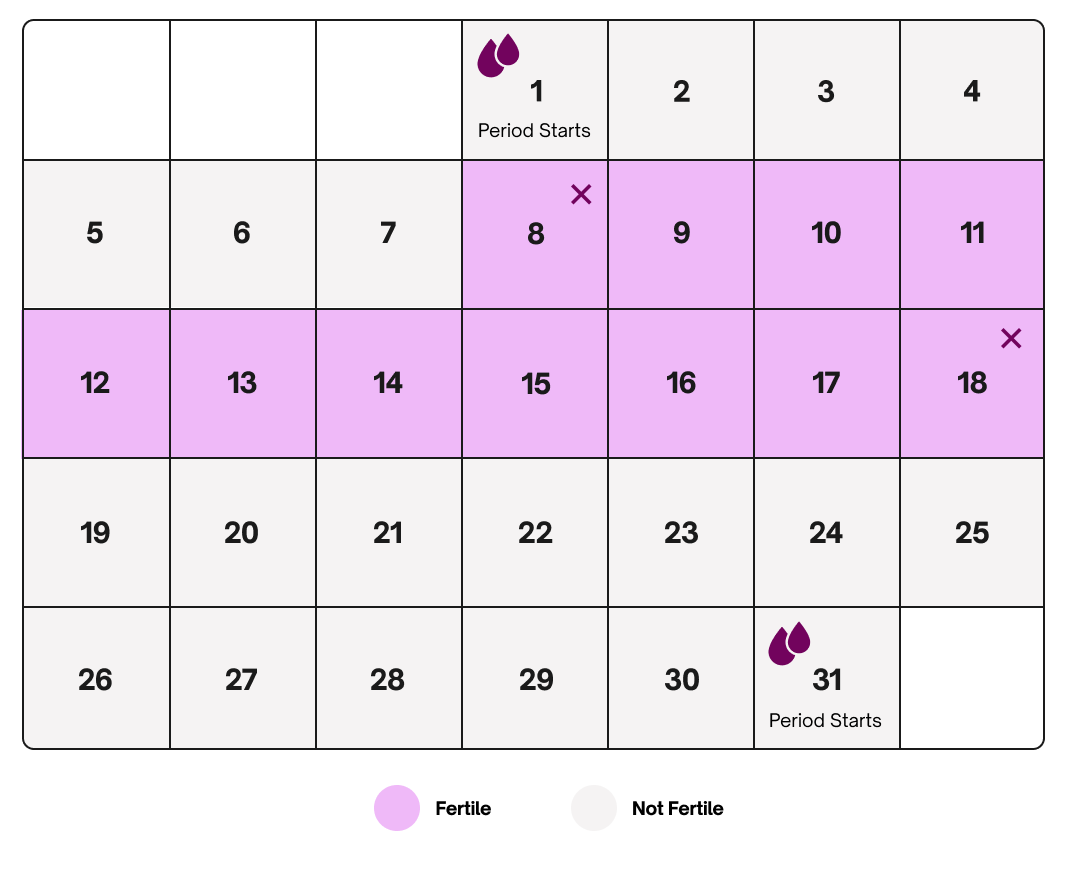
Sometimes the simplest solution is the best starting point. The calendar method of tracking is exactly what it sounds like: you use a calendar, paper or digital, to note your period days and any other cycle details you want to keep track of. This is the way our moms or grandmas likely did it, with a small dot or a “P” on each date Aunt Flo arrives. It’s low-tech, private, and free, and it works well if you prefer physical records or don’t want to rely on apps.
How to do it:
- Grab a calendar and mark the first day your period starts. Then mark each day you bleed until it stops. Some people color in those days, others use simple symbols, like one droplet for light flow and two for heavy flow. The exact system does not matter as long as you stay consistent.
After tracking three to six cycles, patterns usually start to show up. You’ll be able to see how long your cycles tend to be, how many days you bleed, and roughly when your next period is likely to start. The main outcome here is basic prediction, since you can estimate when your next cycle will begin and avoid being caught off guard.
That said, the calendar method has limits. It’s easy to use and requires almost no effort, but it does not track ovulation or hormone changes, and predictions become unreliable if your cycle shifts due to stress, illness, or travel.
2. Keep a Menstrual Journal or Diary
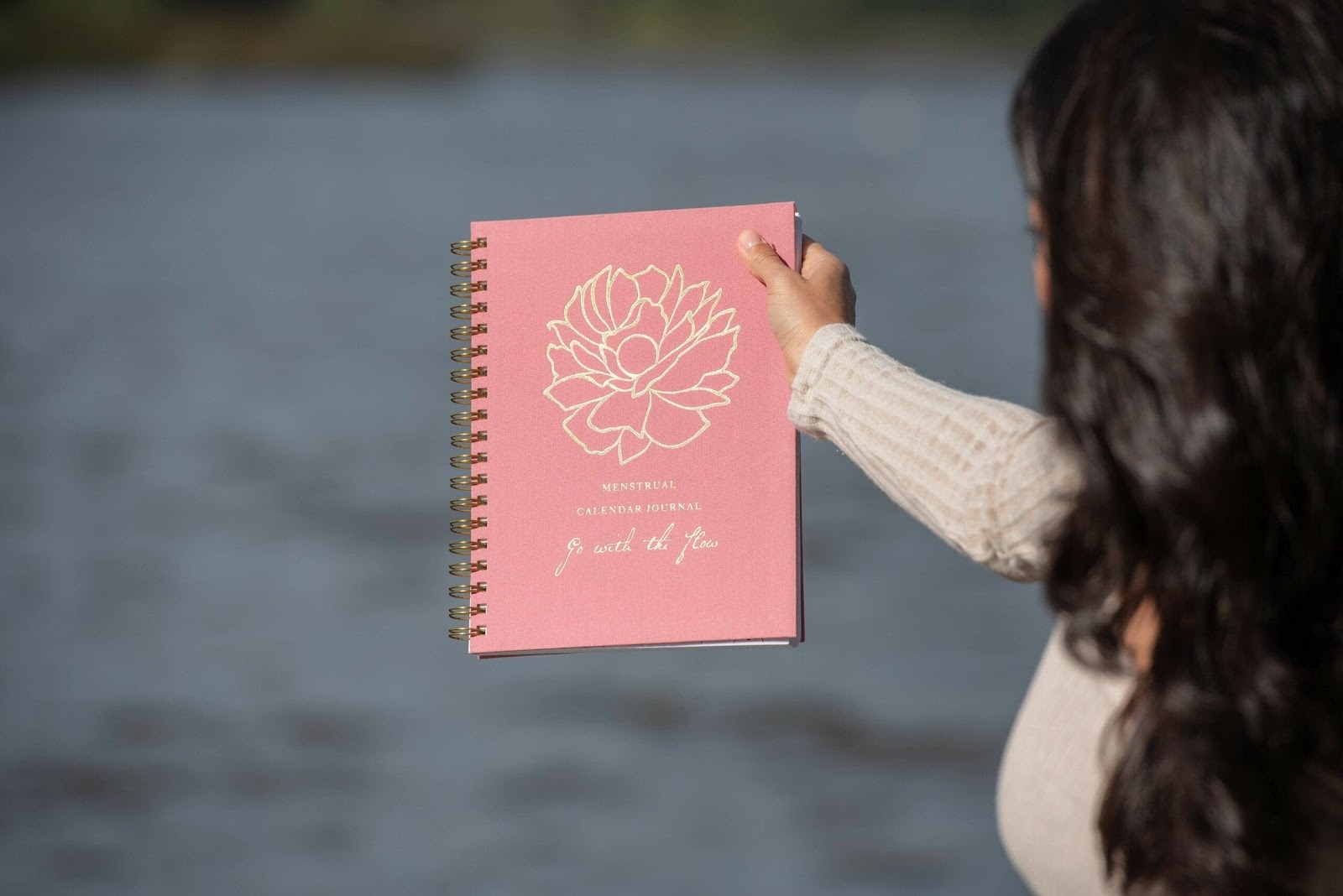
A step up from simply marking days on a calendar is keeping a more detailed menstrual journal, which is where you compile the story of your cycle in your own words. This is still an analog (or semi-analog) method, but here you’re dedicating space to record daily observations about your cycle.
Some women prefer a blank notebook, others use templated period journals, and bullet journal enthusiasts might create a whole spread each month for cycle tracking. The idea is to capture qualitative data: the symptoms, not just the dates.
How to do it:
- Set aside a notebook or journal where you’ll write a short entry each day. Note the cycle day you’re on. Then jot down relevant info: Did your period start or end? How was your flow today? What symptoms did you experience (cramps, mood, energy)? What was your mood like? Any noteworthy cravings or changes in appetite?
This can be as brief as “Day 9: feeling energetic, light cervical mucus, no cramps” or as lengthy as a full paragraph about your day.
Journaling gives you more context and nuance around symptoms, but it still relies on consistency and manual effort, and it won’t automatically account for ovulation or hormone shifts.
3. Try a Smart Ring for Passive Cycle Tracking
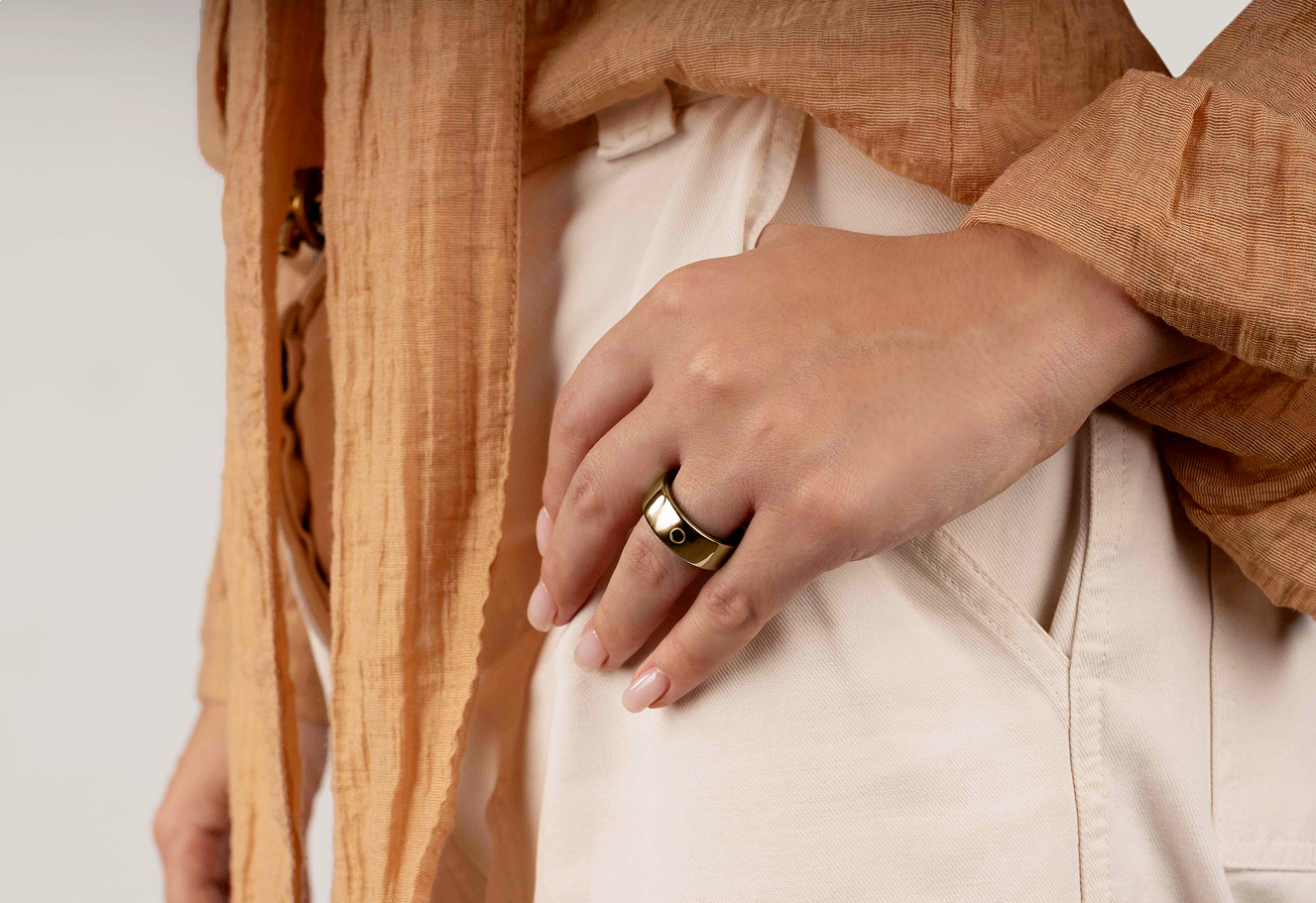
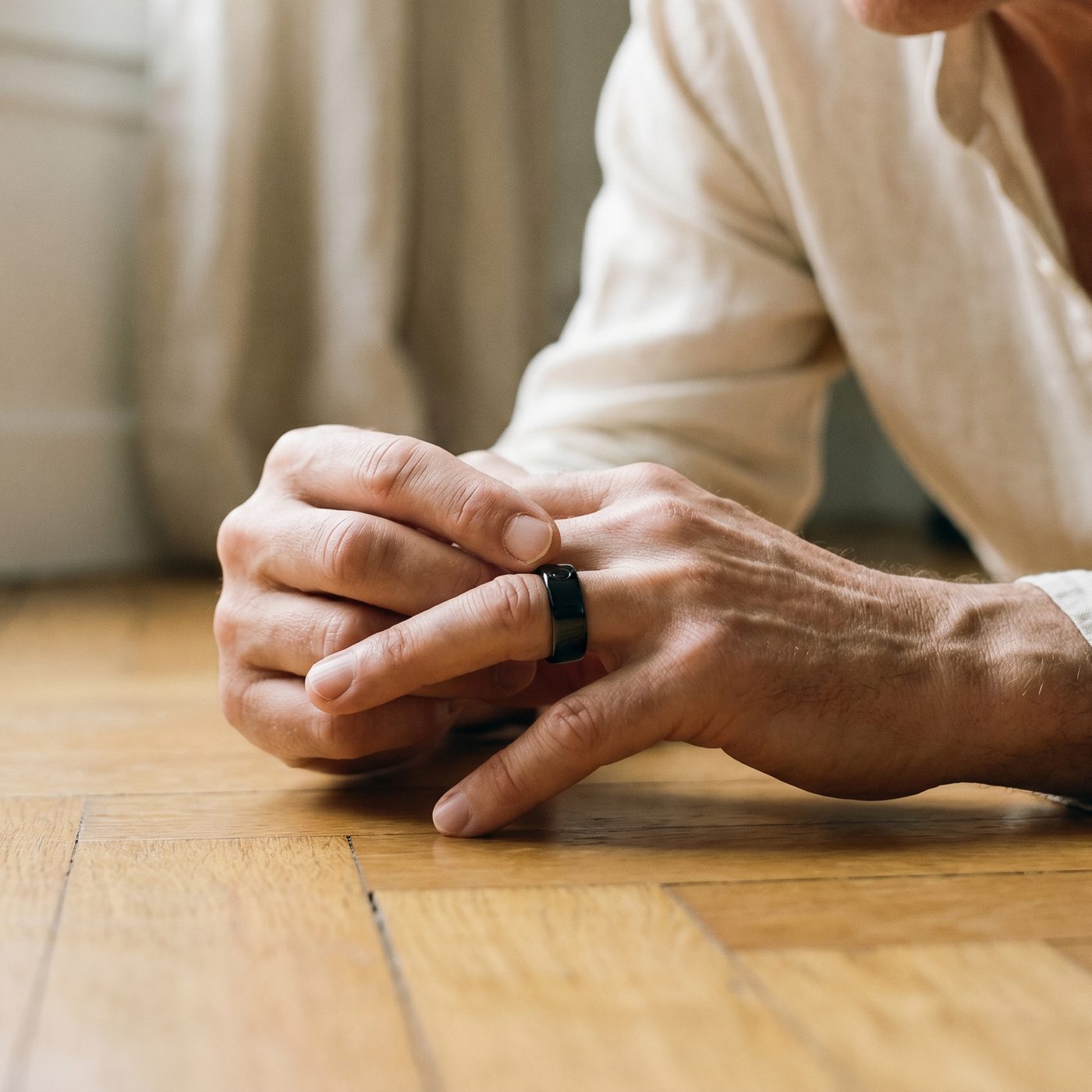
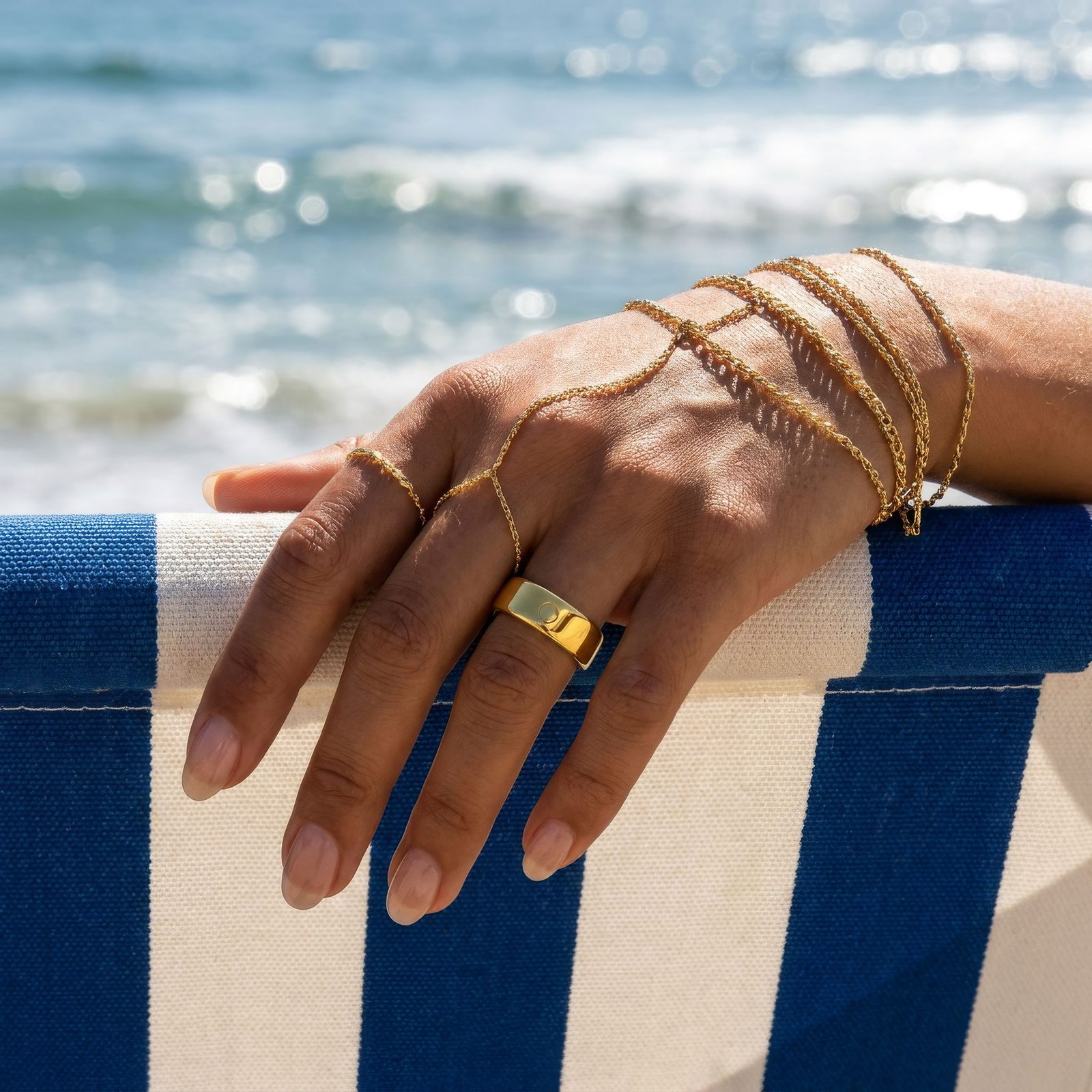
If you want low-effort tracking, Circular Ring 2 is about as easy as it gets. Inside, it has advanced sensors measuring vital metrics like skin temperature, heart rate, heart rate variability, blood oxygen, breathing rate, and movement (it also offers ECG as a 60-second, on-demand check).
Importantly for cycle tracking, it continuously monitors skin temperature trends and changes in vital signs that shift with your hormonal cycle. Based on those patterns, the ring can estimate cycle phases, provide period timing predictions, and generate fertility window predictions.
Unlike manual temperature tracking or calendar-based apps that rely on averages and assumptions, Circular Ring 2 tracks 140+ biomarkers and update your metrics every 2-5 minutes in the app. This provides a broader physiological context than single daily readings.
The ring then also gives you notifications and personal recommendations via the companion app. In the app, Kira (the AI health coach) personalizes insights after an initial ~14-day calibration period. For example, it might say, “Ovulation window approaching — your skin temp is trending up,” or “Your period may be starting soon based on recent patterns.”
The beauty of this smart ring is that all of this happens with no manual logging. You don’t have to take your temperature or press a button. You just wear the ring and live your life.
4. Use a Period Tracking App
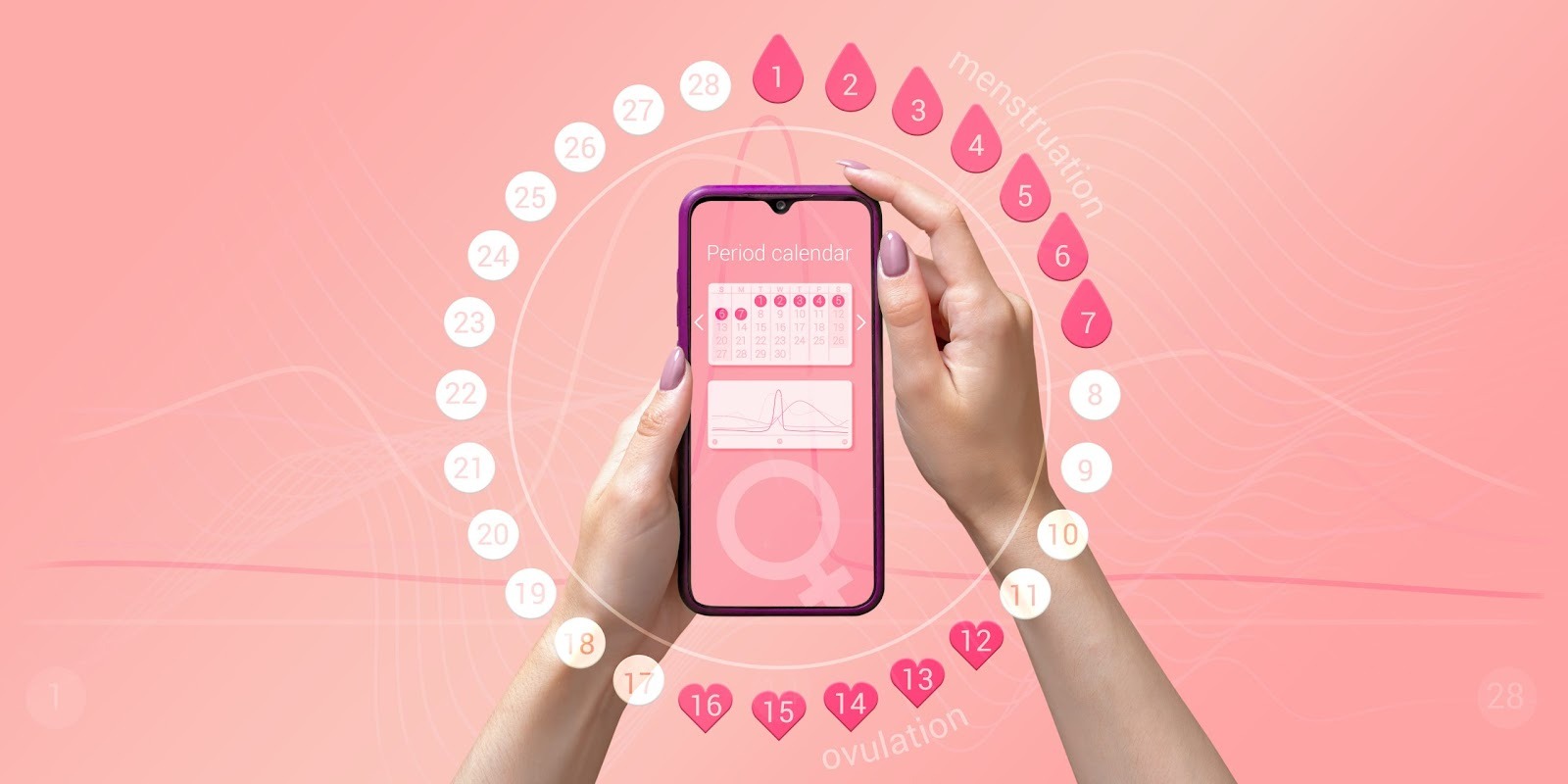
Apps like Flo, Clue, Glow, and others have become the go-to choice for millions to log their menstrual cycles. If you want convenience, predictions, and analysis without doing the math yourself, apps are a fantastic option.
The good news is many period tracking apps are free, but do include optional premium upgrades. First off, the app asks you some basic details as to your average cycle length and how long your periods last, but if you don’t know those yet, the app will learn as you log over time.
Then, you log your period start and end dates each cycle. Most apps will prompt you to enter the days you have bleeding. Many allow and encourage you to log symptoms too: there will be menus for mood (happy, sad, irritable, etc.), physical symptoms (cramps, headache, acne, cravings, you name it), sexual activity, cervical mucus observations, and more. You just tap what you experienced that day.
Over time, the app builds a dataset of your cycles. The major feature is that it will predict your upcoming periods and fertile window based on the data. Some apps, like Flo, even send you notifications like “Your period is due in 2 days” or “Ovulation is likely tomorrow.”
5. Chart Basal Body Temperature (BBT)
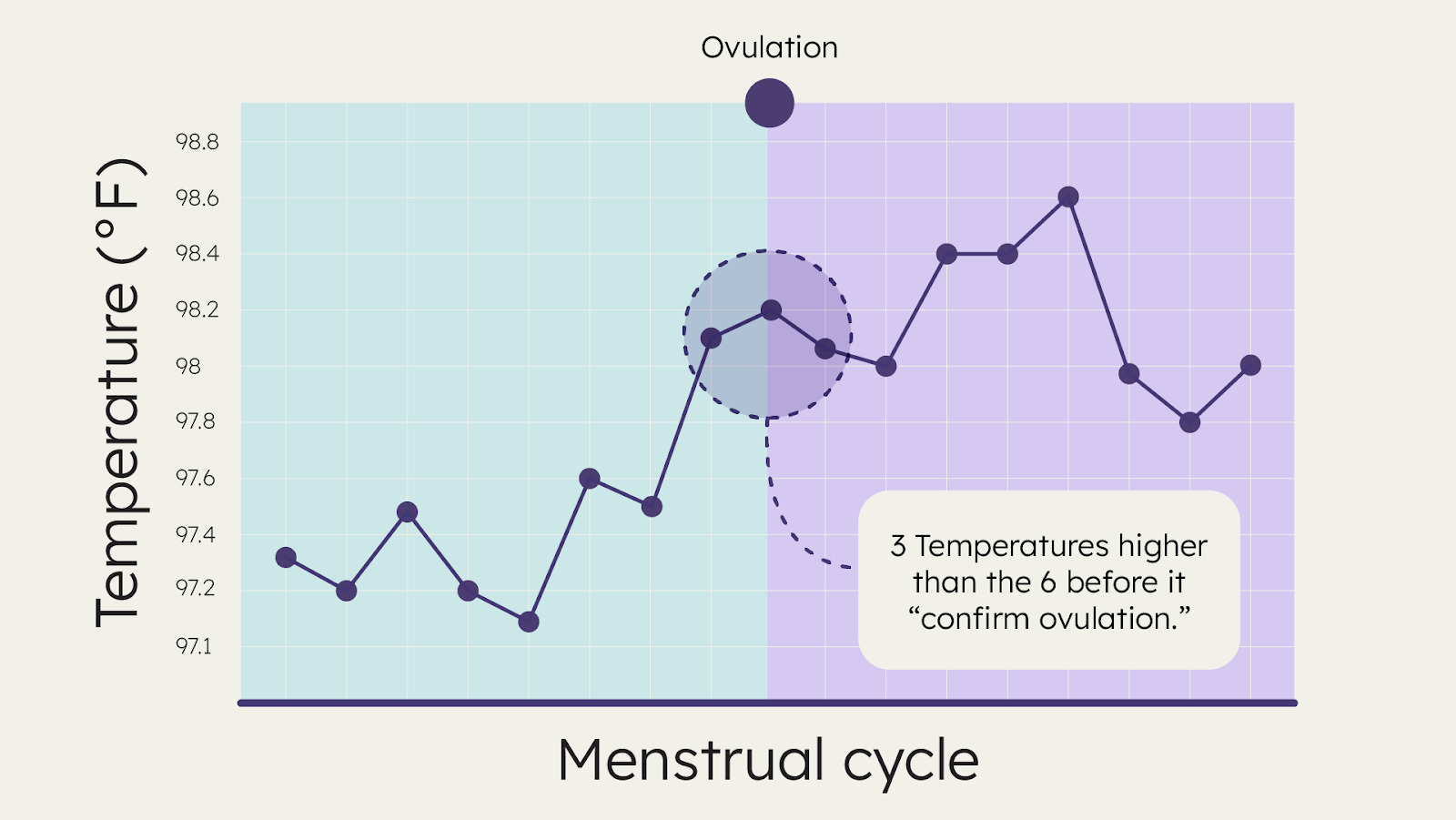
BBT refers to your body’s resting temperature first thing in the morning, before you do anything —literally before you even sit up or check your phone.
Ovulation causes a subtle but detectable rise in your BBT, due to the hormone progesterone warming things up. By taking your temperature daily and charting it, you can pinpoint when ovulation likely happened in your cycle – and distinguish your follicular phase from your luteal phase.
To chart your data, you’ll need a basal body thermometer, which is just a digital thermometer that measures to two decimal places (e.g. 36.45°C) for accuracy, or a smart thermometer that syncs to an app.
- Each morning, as soon as you wake up (ideally at the same time each day), you take your temperature orally (or vaginally, or rectally – but oral is most common and easiest). Do this before drinking water, moving around, or doing anything that could raise your body temp.
- Try to have had at least a few hours of solid sleep beforehand for a reliable reading. Note the temperature reading and record it. You can use a paper BBT chart or enter it into a fertility tracking app that supports BBT. Over the course of your cycle, you’ll see a pattern: during your period and the first half of the cycle, temps are relatively lower. Around ovulation, many women experience a slight dip and then a sharp rise in temperature (about 0.2-0.5°C or 0.4-1.0°F higher) that stays elevated for the rest of the cycle.
- The day before that sustained rise is usually the ovulation day. The temperature stays in that higher range throughout the luteal phase, and then if you’re not pregnant, it drops back down as your period approaches (signaling a new cycle). If you were pregnant, the temperature would stay elevated beyond the length of your usual luteal phase.
6. Use Ovulation Predictor Kits (OPKs)
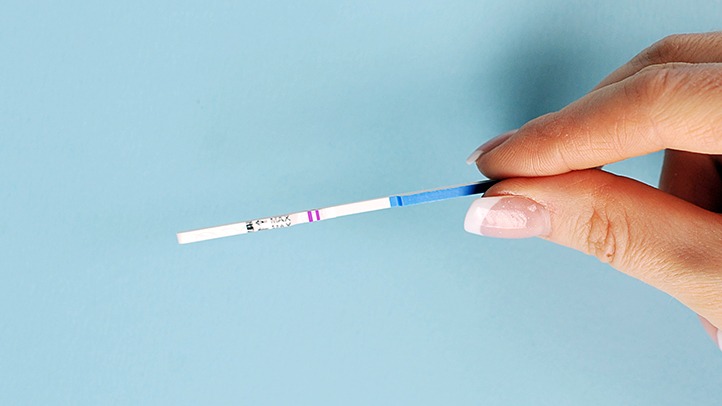
OPKs are basically home tests (usually urine test strips, akin to pregnancy tests) that detect the surge of luteinizing hormone (LH) that occurs about 24-36 hours before ovulation. That said, OPKs act as an "advance notice" by detecting the hormonal surge that triggers the process, but they do not confirm that an egg was actually released. That’s why most people pair them with apps to get the full picture.
Starting a few days before you suspect ovulation, you begin testing your urine once a day. You pee in a cup and dip the strip, or pee directly on a stick, and wait for the indicator lines.
Much like a pregnancy test, one line is the control and the second line is the test line. If the test line is as dark or darker than the control line, it means LH surge detected = positive OPK.
A positive OPK means you’ll likely ovulate within about 12 to 36 hours.
If the test line is faint or not there, it’s negative – no surge yet. Once you get a positive, you log that in your tracking method of choice.
Verdict: Which is the Best Method to Track Your Menstrual Cycle?
We’ve explored everything from pen-and-paper methods to high-tech wearables. All of these can work – it really depends on your lifestyle and needs. But if we’re talking about a low-effort and more comprehensive way to track your menstrual cycle, Circular Ring 2 stands out as a strong option because it brings together elements of multiple methods without the usual manual effort.
By wearing it, you automatically gather detailed data similar to a BBT-style temperature trend, along with heart rate and activity tracking, and you get interpreted results via a companion app.
Another reason it feels more complete is the broader physiological context it provides. A period app might tell you “PMS likely,” but Circular can also reflect patterns in recovery score or stress levels alongside your cycle trends.
By connecting the dots between your cycle and vitals like sleep, stress, and exercise, Circular Ring 2 helps you see how those patterns interact over time. Beyond women’s health tracking, it also includes 13+ core health features and analyzes more than 140 biometrics for overall wellness.
Because it continuously monitors those biometrics and refreshes metrics every 2 to 5 minutes, you can observe trends over weeks and months. For example, you might notice your average resting heart rate shifts around certain points in your cycle, or that your sleep quality shifts during certain phases.
This way, you’ll get a clear understanding of how your cycle aligns with your energy and recovery, so you can see recurring patterns across cycles.
FAQs about Menstrual Cycle Tracking
Q1: How accurate are menstrual cycle tracking apps and devices?
The accuracy of cycle tracking largely depends on the regularity of your cycle and the method used. Simple calendar-based apps use averages, so if you have a very regular cycle, they can predict your next period within a day or two – pretty good! However, if your cycle is irregular, those predictions are less reliable.
Q2: My periods are irregular. How can I track my cycle effectively?
First, don’t rely on average-based predictions from apps, since irregular cycles won’t fit a predictable pattern. Instead, focus on tracking what each cycle is doing in real time. Use methods like BBT charting or ovulation predictor kits to see when (or if) you’re ovulating in each cycle. Ovulation is your cycle’s main event – if you can detect it, you can at least measure the luteal phase.
Q3: Can teenagers track their menstrual cycles and should they?
Absolutely yes! Teens can and should track their cycles, at least at a basic level. In fact, doctors often encourage adolescent girls to start tracking from the onset of their periods. Early tracking helps a teen learn what’s normal for her. Keep in mind, the first couple of years of menstruation can be irregular as the body’s hormonal axis matures – so a teen shouldn’t panic if her cycle is a bit unpredictable at first.
Q4: What if I’m on birth control that stops my periods. How do I track my cycle?
If hormonal birth control stops your periods, you track your cycle by tracking the medication schedule and your body’s response to it, not ovulation or natural phases. Log when you take your pill or change your patch or ring, and note any bleeding or spotting that shows up. On top of that, track side effects like mood shifts, headaches, breast tenderness, or fatigue, since these often follow the hormone cycle of the medication. This kind of tracking helps you see how birth control affects you and gives your doctor clear information if something feels off.
Q5: Are period tracking apps safe in terms of data privacy?
Period tracking apps can be safe, but it depends entirely on the app. Some apps, like Clue, state they do not sell user data and operate under stricter privacy laws, while others have previously shared sensitive data with third parties. If you use an app, check the privacy policy, turn on anonymous mode if available, and avoid apps that require unnecessary personal details. If privacy is a major concern, offline tracking or devices that don’t rely on cloud accounts are the safest options.
Which Health Tracker Fits Your Life?
Smart ring or chest strap: the right answer depends on your priorities.
- You want to track your health 24/7 without thinking about it? The 2g Circular Ring 2 is worn day and night, including for sleep. A chest strap cannot do that.
- You want to detect heart anomalies like AFib? The Circular Ring 2 is the only smart ring with an FDA-cleared ECG algorithm for atrial fibrillation detection.
- You refuse to pay monthly subscriptions? Circular Ring 2 includes 13+ premium health features, no subscription. Pay once, use for life.
Take the Quiz: See Where You Stand