%201-1.avif)
How Circular Became the First Smart Ring to Estimate VO2 Max
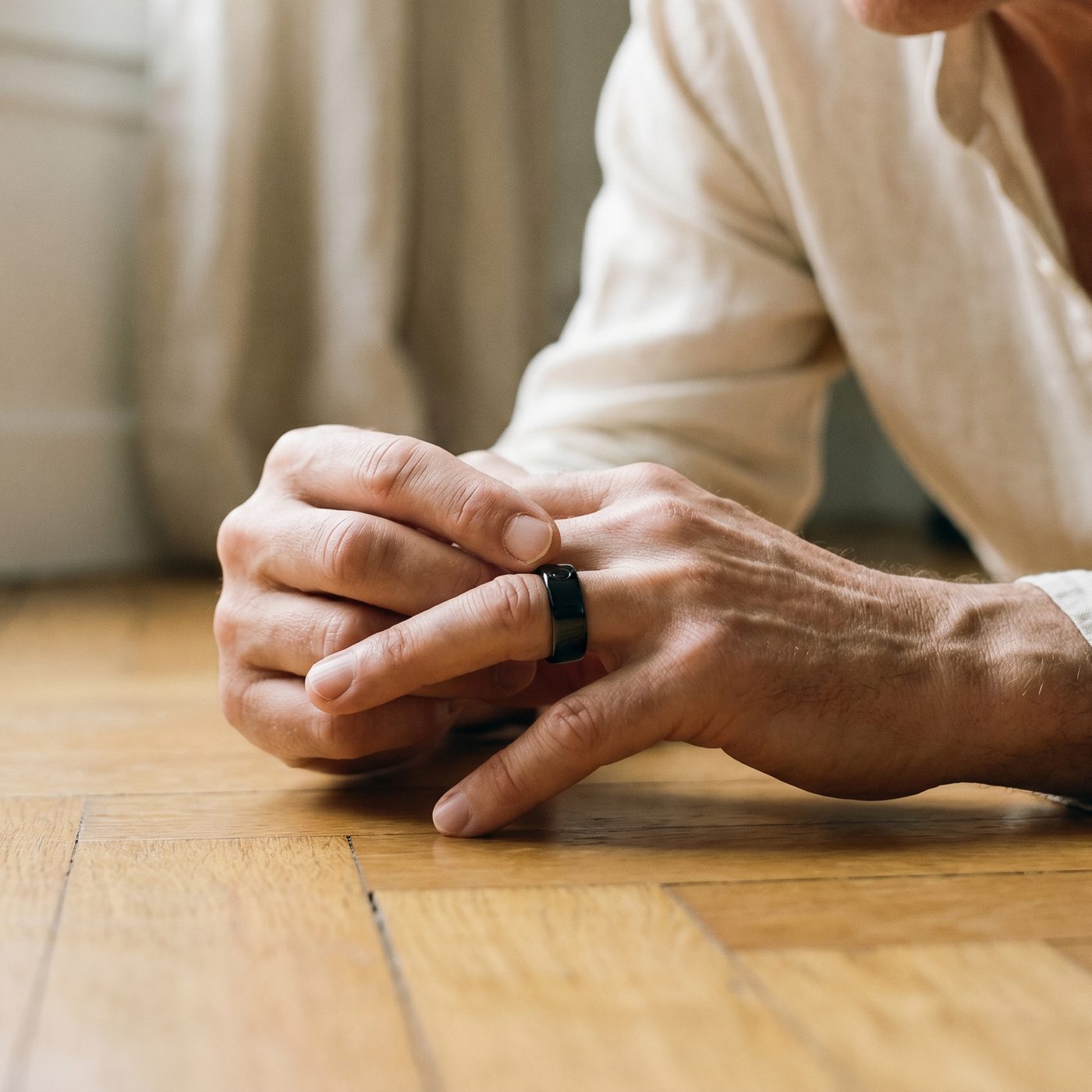
If you have spent any time around endurance athletes, cyclists, or longevity researchers, you have heard this term. It is often called the single best predictor of cardiovascular fitness and, increasingly, of how long you will live. Until recently, measuring it required a laboratory, a treadmill, and a mask strapped to your face. Circular changed that by becoming the first smart ring to estimate VO2 max directly on your finger.
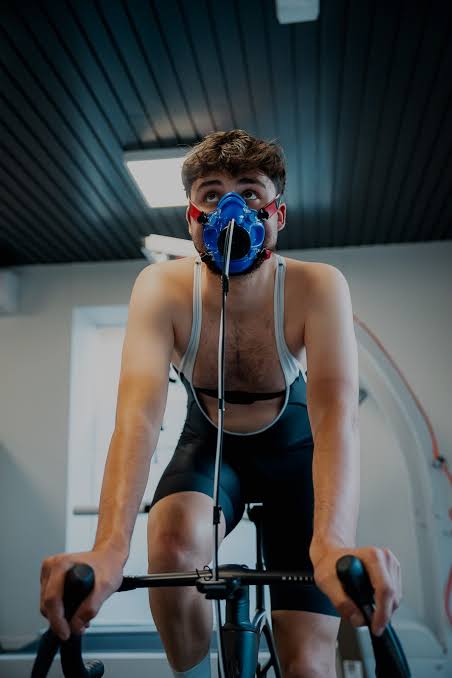
But let me be clear from the start: what Circular provides is an estimation, not a laboratory measurement. A true VO2 max test involves capturing expired gases while you exercise to exhaustion in a controlled environment. What we do with Circular Ring is correlate multiple physiological signals collected 24/7 against validated VO2 max prediction models: essentially, we give you a useful proxy that tracks your fitness trajectory over time. For most people, that is far more actionable than a single lab number they will never repeat.
Here is the science behind how it works, why it matters, and what to do with the number once you have it.
What is VO2 Max, Scientifically Speaking
VO2 max is the maximum rate of oxygen your body can consume during intense exercise, expressed in milliliters of oxygen per kilogram of body weight per minute (mL/kg/min). It represents the upper limit of your cardiorespiratory system: how efficiently your lungs extract oxygen, your heart pumps it through your bloodstream, and your muscles use it for energy production.
The concept was pioneered by Nobel laureate A.V. Hill in the 1920s. His work established that there is an upper limit to oxygen uptake, and that this limit is a direct measure of cardiovascular capacity. Since then, VO2 max has become the gold standard metric in exercise physiology.
What makes VO2 max particularly valuable is its predictive power. A landmark 2018 study published in JAMA Network Open followed over 122,000 patients and found that higher VO2 max was associated with significantly lower all-cause mortality. For every 1 MET (3.5 mL/kg/min) increase in VO2 max, there was a roughly 12% reduction in mortality risk. No other single fitness metric comes close to that level of predictive validity.
How Circular Estimates VO2 Max Without a Lab
A clinical VO2 max test requires you to run on a treadmill or cycle while wearing a mask connected to a metabolic cart that measures oxygen intake and carbon dioxide output. You exercise to volitional exhaustion. It is accurate, but it is expensive ($100-$250 per test), uncomfortable, and not something you do every week.
Circular Ring takes a fundamentally different approach. Instead of measuring gas exchange, it uses a submaximal estimation model that draws from multiple continuous data streams:
Resting heart rate: A lower RHR generally correlates with higher cardiovascular efficiency. Your RHR trend over weeks and months feeds into the model.
Heart rate during activity: How your heart responds to everyday movement, walking, and the 50+ sport modes Circular tracks gives insight into your cardiac output.
Heart rate variability (HRV): Higher HRV is associated with better autonomic nervous system function and cardiovascular fitness. The relationship between HRV and VO2 max is well documented in sports science literature.
Activity intensity and duration: The combination of how hard and how long you exercise creates a load profile that maps to oxygen consumption estimates.
Recovery metrics: How quickly your heart rate returns to baseline after exertion is another proxy for fitness.
Sleep quality: Sleep architecture affects cardiorespiratory recovery, and consistent poor sleep depresses VO2 max readings over time.
These signals are fed into an algorithm that correlates them with validated submaximal VO2 max estimation models, including adaptations of the Rockport walking test methodology and heart-rate-based prediction equations from the Cooper Institute. The result is an estimated VO2 max that updates as you wear the ring.
Important: It Is an Estimate, Not a Lab Measurement
We want to be transparent about this because it matters. No wearable, including the most expensive smartwatches or chest straps, can measure VO2 max directly. Direct measurement requires gas exchange analysis. Every consumer wearable estimates VO2 max using heart rate data and exercise inputs. The question is how good the estimation is.
Circular's model is designed primarily as a trend tracker. What matters most is not whether your estimated VO2 max is 42.3 or 43.1 on any given day, but whether it is trending up, down, or flat over weeks and months. An improving trend almost certainly means your cardiovascular fitness is improving. A declining trend deserves attention.
For reference, a 2020 review in the Journal of Sports Sciences examined the accuracy of wearable VO2 max estimates and found that most consumer devices correlate reasonably well with lab measurements at the population level (r = 0.7 to 0.9) but can deviate by 3 to 5 mL/kg/min for individuals. That is why we emphasize the trend over any single data point.
What Your VO2 Max Number Means
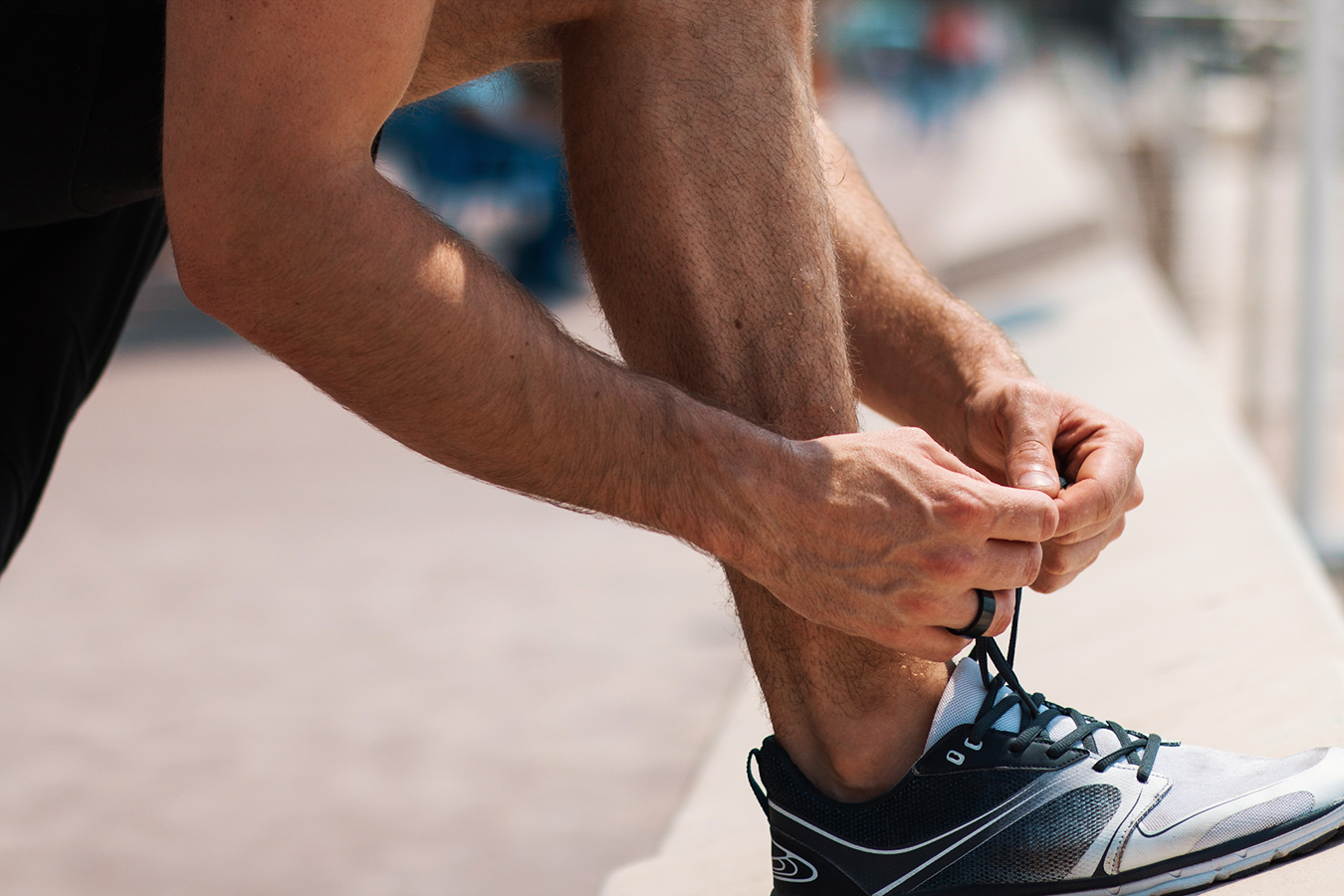
VO2 max norms vary by age, sex, and fitness level. The Cooper Institute provides widely used reference tables. For a 30-year-old male, a VO2 max above 50 mL/kg/min is considered excellent, while below 35 is poor. For a 30-year-old female, above 43 is excellent and below 30 is poor. These numbers decline naturally with age, roughly 1% per year after age 25 if you are sedentary, but much more slowly if you stay active.
If your estimated VO2 max is lower than you would like, the good news is that it is highly trainable. Studies consistently show that structured aerobic training can improve VO2 max by 10-20% over 8-12 weeks. High-intensity interval training (HIIT) is particularly effective, but even brisk daily walking produces measurable gains.
Why Track VO2 Max Over Time?
There are three reasons you should care about your VO2 max trend:
Longevity: As the JAMA study cited above shows, VO2 max is one of the strongest predictors of long-term health outcomes. Improving it is arguably the single best thing you can do for your lifespan and healthspan.
Training optimization: If you are training for an event, your VO2 max trend tells you whether your program is working. A plateau means it is time to change your stimulus.
Early warning: A sustained decline in estimated VO2 max that cannot be explained by reduced training or illness could signal an underlying health issue worth investigating. It is one more data point you can bring to your doctor.
No Subscription Required
VO2 max estimation is part of the 13+ core health features included with Circular Ring. You buy the ring; the features are yours. No monthly fee, no premium unlock.
Frequently Asked Questions
How accurate is Circular's VO2 max estimate compared to a lab test?
Circular provides an estimate based on submaximal prediction models, not direct gas exchange measurement. At the population level, wearable VO2 max estimates typically correlate with lab values at r = 0.7 to 0.9, but individual deviations of 3 to 5 mL/kg/min are common. We recommend focusing on the trend rather than comparing your number to a lab result.
How often does Circular update my VO2 max?
Your estimated VO2 max updates as the ring collects more data: heart rate, activity, sleep, and recovery metrics all feed into the model. Meaningful changes typically appear over days.
What is a good VO2 max for my age?
Norms vary by age and sex. According to the Cooper Institute, a 30-year-old male with a VO2 max above 50 mL/kg/min is in the excellent range. The same benchmark for a 50-year-old male is above 40. Kira, Circular's AI health coach, contextualizes your number against age-matched norms.
Can I improve my VO2 max?
Yes, VO2 max is highly trainable. Structured aerobic training (especially HIIT) can improve it by 10-20% over 8-12 weeks. Even consistent daily walking produces measurable gains. Circular tracks your trend so you can see the impact of your training.
Does VO2 max decline with age?
Yes, VO2 max naturally declines roughly 1% per year after age 25 in sedentary individuals. However, regular exercise dramatically slows this decline. Masters athletes in their 60s and 70s often maintain VO2 max values comparable to untrained 30-year-olds.
Why does my VO2 max estimate fluctuate day to day?
Small daily fluctuations are normal and reflect sleep quality, hydration status, recent training load, and measurement variability. Do not over-interpret single-day changes. Look at the multi-week trend instead.
Take the Quiz: See Where You Stand
References
1. Mandsager K et al. "Association of Cardiorespiratory Fitness With Long-term Mortality Among Adults Undergoing Exercise Treadmill Testing." JAMA Network Open, 2018. https://jamanetwork.com/journals/jamanetworkopen/fullarticle/2707428
2. Bassett DR, Howley ET. "Limiting factors for maximum oxygen uptake and determinants of endurance performance." Medicine & Science in Sports & Exercise, 2000. https://journals.lww.com/acsm-msse/Abstract/2000/01000/Limiting_factors_for_maximum_oxygen_uptake_and.12.aspx
3. Shephard RJ et al. "The maximum oxygen intake: an international reference standard of cardiorespiratory fitness." Bulletin of the World Health Organization, 1968. https://www.ncbi.nlm.nih.gov/pmc/articles/PMC2554569/
4. Duking P et al. "Comparison of VO2max estimations from consumer wearables." Journal of Sports Sciences, 2020. https://www.tandfonline.com/doi/full/10.1080/02640414.2020.1747266
5. Cooper Institute. "Fitness Norms for VO2max." https://www.cooperinstitute.org/vault/2440/web/files/684.pdf