%201-1.avif)
Circular Pioneers the First Consumer Smart Ring with SpO2 Monitoring
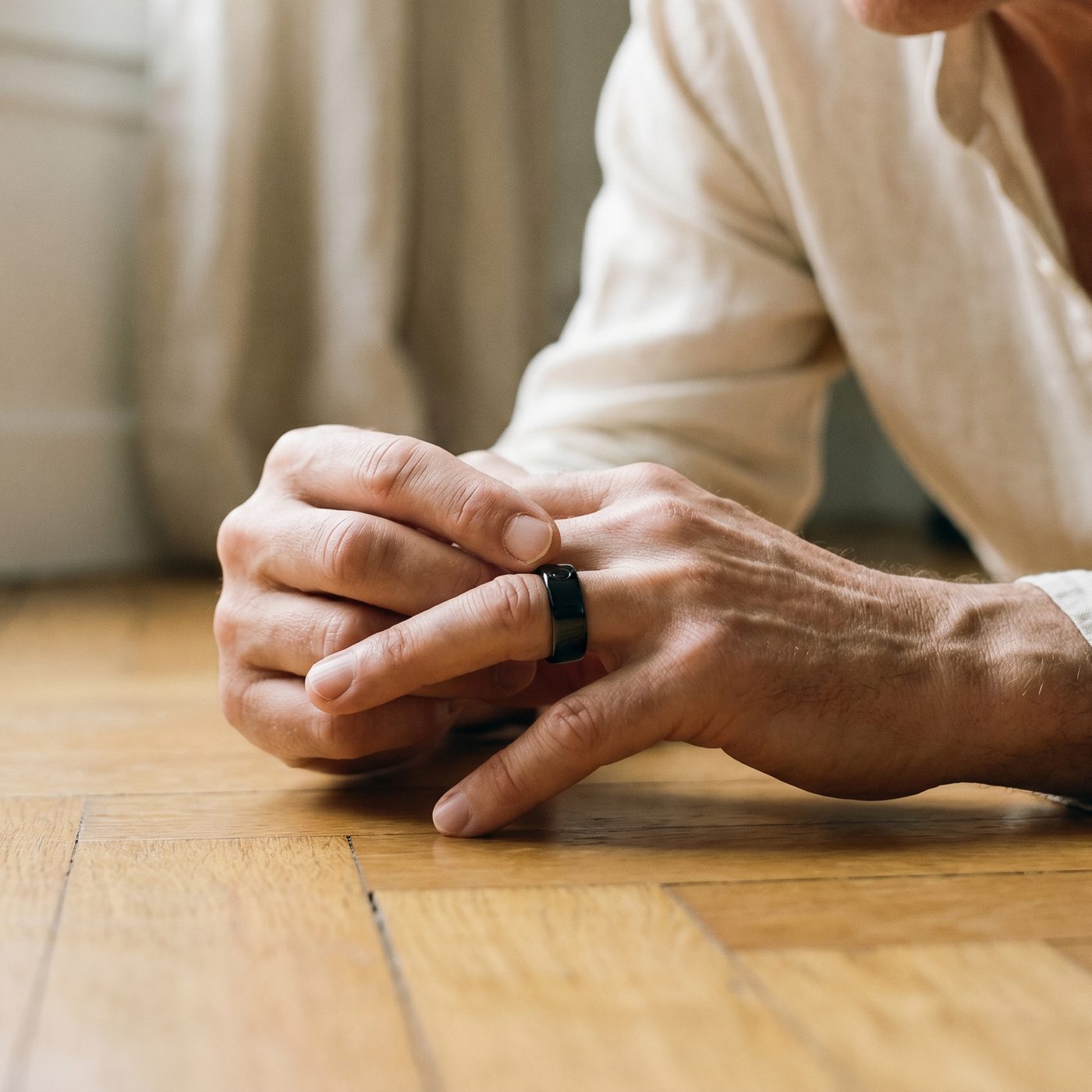
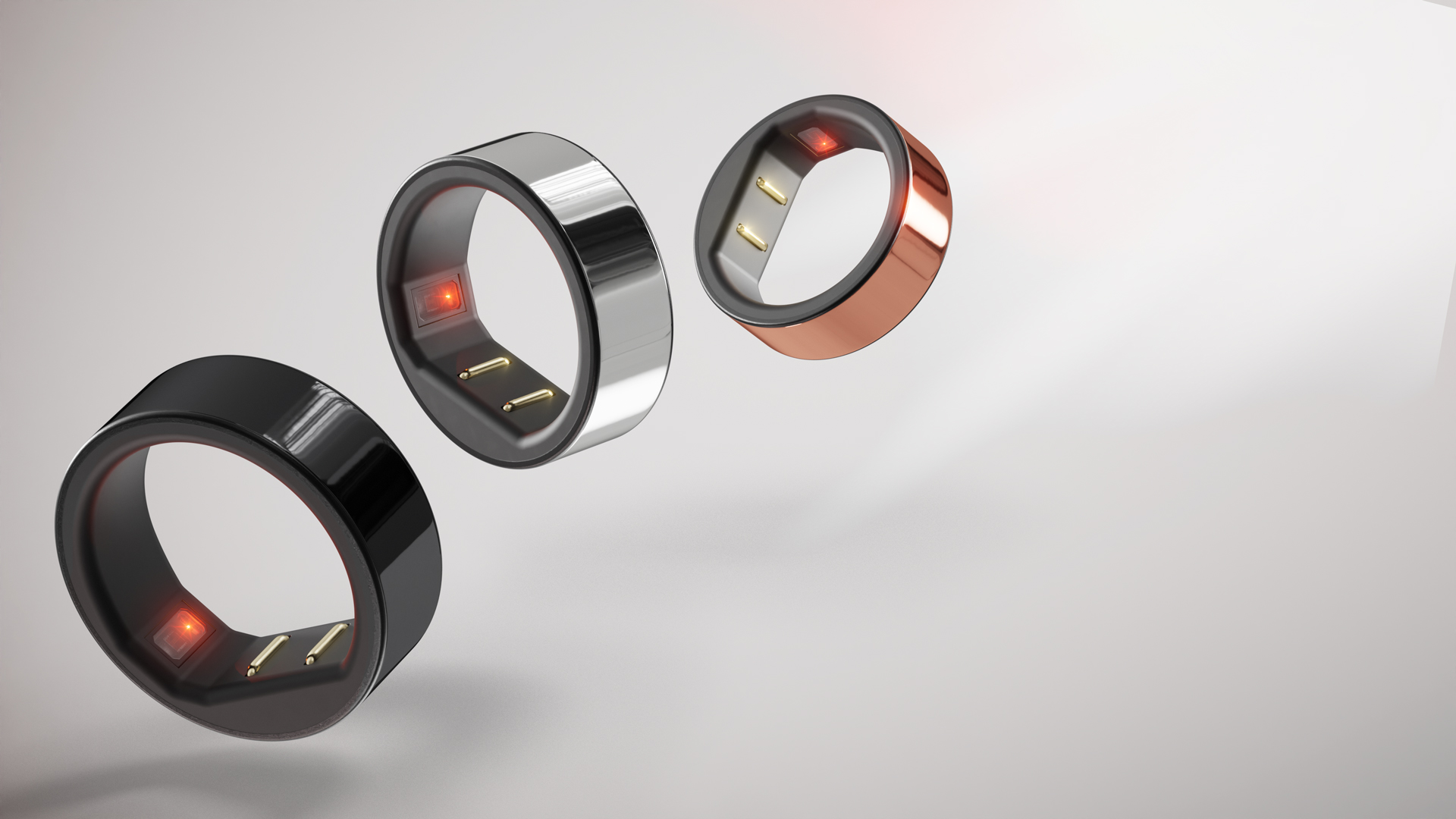
When we set out to build the Circular Ring, we had one goal: pack the most advanced health tracking technology into a device you can wear 24/7 without even noticing it. At just 4 grams and 2.80 mm thin, it is the lightest and thinnest smart ring in the world. And it was the first to bring continuous SpO2 monitoring to consumers in a ring form factor.
SpO2, or blood oxygen saturation, is one of those metrics that sounds clinical until you understand what it actually tells you about your body. It is the percentage of oxygen-carrying hemoglobin in your blood relative to total hemoglobin. When this number drops below normal, something is going on: maybe your breathing is shallow during sleep, maybe you are at altitude, or maybe there is an underlying respiratory condition worth investigating.
In this article, We want to walk you through why SpO2 matters, how Circular tracks it differently from a smartwatch, and what you should do with the data once you have it.
Why SpO2 Matters for Everyday Health
A healthy SpO2 level at rest is typically between 95% and 100%. When it dips below 90%, that is called hypoxemia, and it means your tissues are not getting enough oxygen. During sleep, temporary drops can signal sleep apnea, a condition that affects an estimated 936 million adults worldwide according to a 2019 study published in The Lancet Respiratory Medicine. Many people with sleep apnea have no idea they have it: they just wake up tired, day after day.
Beyond sleep apnea, low SpO2 can indicate chronic obstructive pulmonary disease (COPD), asthma, pneumonia, or even the early stages of heart failure. The challenge is that these conditions often develop silently. You do not feel a 2% drop in blood oxygen; you just feel slightly more fatigued, slightly less sharp. Over months and years, that adds up.
Continuous SpO2 monitoring gives you a baseline. Once you know your normal, you can spot deviations early. That is the difference between catching a respiratory issue before it becomes serious and only finding out when symptoms force you to see a doctor.
How Circular Tracks SpO2: The Science of the Finger
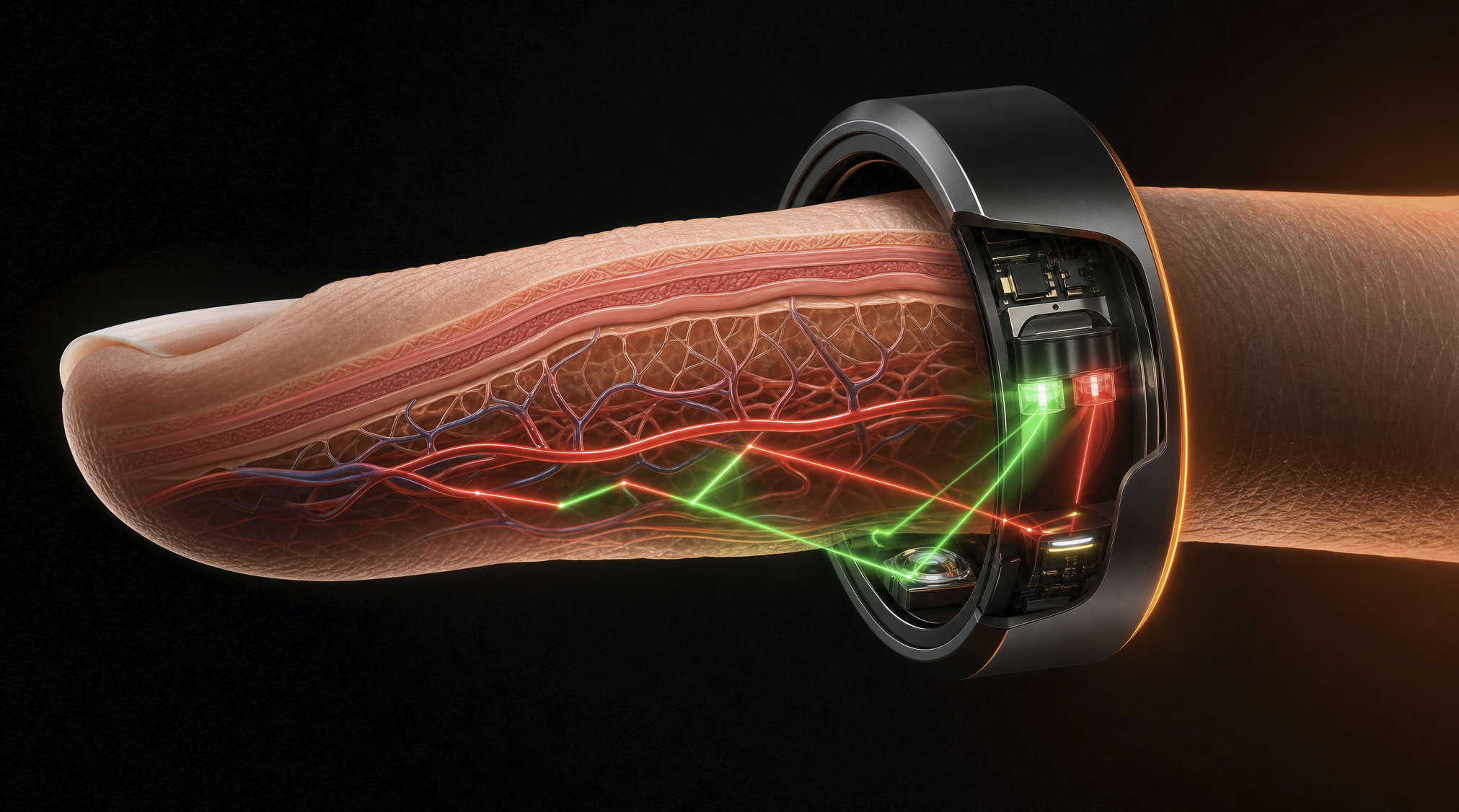
Circular Ring uses reflectance pulse oximetry. Inside the ring, on the surface that faces the skin, there are red and infrared LED emitters paired with photodetectors. These LEDs shine light through the skin, and the photodetectors measure how much light is absorbed by the blood underneath.
Here is why this works so well on the finger: the finger has one of the highest densities of arterial blood vessels close to the skin surface of any body part. Compared to the wrist, where smartwatches sit, the finger offers significantly better perfusion and thinner skin. A 2017 study in the Journal of Clinical Monitoring and Computing found that finger-based pulse oximetry consistently outperforms wrist-based measurements, particularly during motion and low perfusion states.
Oxygenated hemoglobin absorbs more infrared light and less red light. Deoxygenated hemoglobin does the opposite. By comparing the ratio of red to infrared light absorption, the algorithm calculates your SpO2 percentage. Circular does this continuously throughout the night, sampling at regular intervals so you get a full picture, not just a snapshot.
Why a Ring Beats a Wrist-Worn Device for SpO2
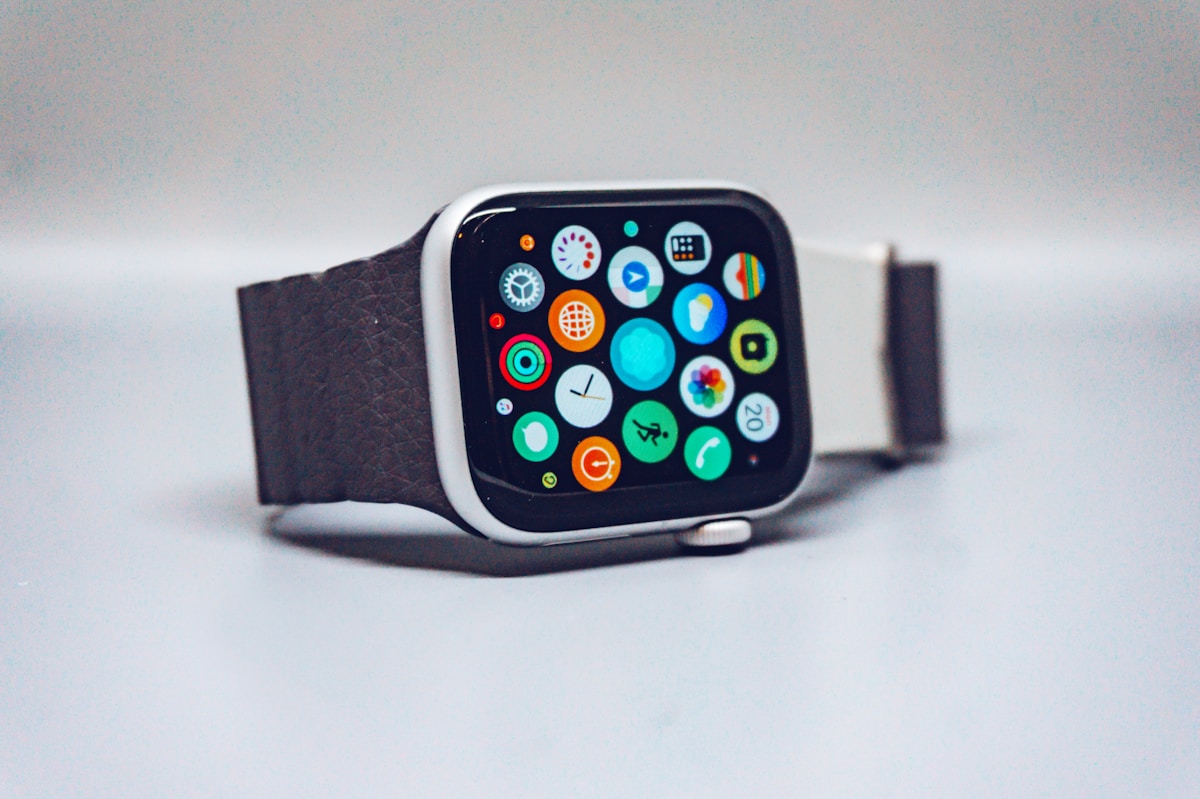
Wementioned the finger's anatomical advantage, but there is more to it. Smartwatches have to contend with wrist movement, arm hair, tattoo ink, and the fact that the radial and ulnar arteries sit deeper under tendons and connective tissue. The result is more signal noise, more dropped readings, and less reliable data, especially during sleep when your wrist position changes constantly.
The Circular Ring sits snugly on your finger, stays in place all night, and maintains consistent skin contact. No sliding down your wrist. No loosening when you roll over. No gaps between the sensor and the skin. That consistency is what makes the data trustworthy.
Understanding Your SpO2 Data with Kira
Raw SpO2 numbers without context are not very helpful. Is 94% a problem? It depends on your altitude, your baseline, your activity level, and whether you were asleep or awake when it was measured. This is where Kira, Circular's built-in health coach, comes in.
Kira analyzes your SpO2 trends alongside your sleep stages, heart rate, heart rate variability (HRV), respiratory rate, and body temperature. If your SpO2 dips during deep sleep, Kira correlates that with your sleep architecture and tells you whether it is a pattern worth discussing with a doctor. You get a clear, plain-language insight, not a chart you need a medical degree to read.
Real-World Use Cases for SpO2 Monitoring
SpO2 tracking is not just for people with diagnosed conditions. Here are a few scenarios where it becomes genuinely useful:
Altitude Training and Travel
If you travel to high-altitude locations (above 2,500 meters / 8,000 feet), your SpO2 will naturally drop as your body acclimates. Monitoring this helps you understand how well you are adapting and whether you need to descend or rest.
Fitness Recovery
Intense training depletes oxygen stores. Tracking how quickly your SpO2 returns to baseline overnight gives you a window into your recovery quality. If your SpO2 stays low after a hard training block, you might need more rest.
Respiratory Illness Monitoring
Even a mild respiratory infection can cause subtle SpO2 drops. Having continuous data helps you track whether you are improving or getting worse, which is especially valuable when deciding whether to seek medical care.
No Subscription Required
SpO2 monitoring is one of the 13+ core health features included with Circular Ring. There is no monthly fee, no paywall, and no premium tier that locks your own health data behind a subscription. Once you buy the ring, the features are yours.
Frequently Asked Questions
What is a normal SpO2 level during sleep?
A normal SpO2 during sleep is 95% or higher. Brief dips to 90-94% can be normal depending on sleep stage and position, but sustained drops below 90% warrant medical attention.
Is Circular's SpO2 monitoring as accurate as a hospital pulse oximeter?
Hospital pulse oximeters use transmission-mode measurement (light passes through the finger) and are considered the clinical gold standard. Circular uses reflectance-mode measurement, which is the standard for wearables. It is highly reliable for trend tracking and sleep monitoring at rest, but it is not a substitute for clinical diagnostic equipment.
Can Circular detect sleep apnea?
Circular Ring is not a medical device and does not diagnose sleep apnea. However, by tracking SpO2 drops alongside sleep stage data, it can surface patterns that suggest you should discuss sleep apnea screening with a healthcare provider.
Does SpO2 monitoring drain the battery faster?
SpO2 monitoring is optimized for efficiency. With typical use, Circular Ring lasts up to 6 days on a single charge. SpO2 sampling during sleep has minimal impact on overall battery life.
Why is my SpO2 lower in the morning?
Blood oxygen levels naturally fluctuate throughout the night. A slightly lower reading in the morning is common and usually reflects normal sleep physiology. If your morning SpO2 is consistently below 92%, consult a doctor.
Does Circular track SpO2 during exercise?
Circular Ring focuses on continuous overnight SpO2 monitoring at rest, where readings are most stable and clinically meaningful. During intense movement, optical sensors on any wearable can produce artifacts. For the most reliable data, SpO2 is tracked during sleep.
Take the Quiz: See Where You Stand
References
1. Benjafield AV et al. "Estimation of the global prevalence and burden of obstructive sleep apnoea." The Lancet Respiratory Medicine, 2019. https://www.thelancet.com/journals/lanres/article/PIIS2213-2600(19)30198-5/fulltext
2. Louie A et al. "Comparison of pulse oximetry accuracy between finger and wrist." Journal of Clinical Monitoring and Computing, 2017. https://link.springer.com/article/10.1007/s10877-016-9873-9
3. Nitzan M et al. "Pulse oximetry: fundamentals and technology update." Medical Devices: Evidence and Research, 2014. https://www.ncbi.nlm.nih.gov/pmc/articles/PMC4099100/
4. American Thoracic Society. "Pulse Oximetry." Patient Education Series. https://www.thoracic.org/patients/patient-resources/resources/pulse-oximetry.pdf
5. World Health Organization. "Pulse oximetry training manual." 2011. https://www.who.int/publications/i/item/9789241501132